
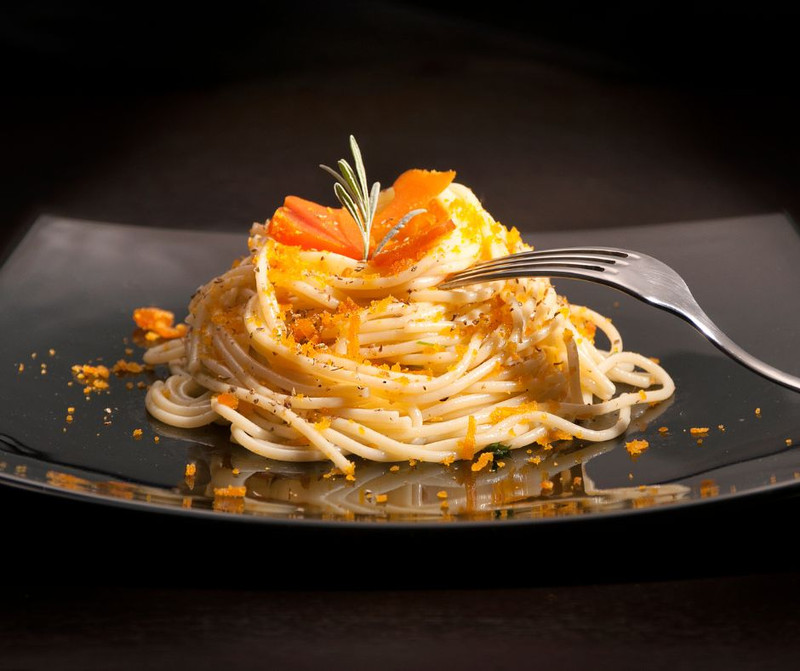
Bottarga is one of the Mediterranean’s most prized culinary treasures—an ingredient revered by chefs and gourmets for its intense umami, briny complexity, and remarkable versatility. Made from salted, pressed, and air-dried fish roe (typically grey mullet or tuna), bottarga delivers a savory punch that elevates simple dishes into extraordinary experiences. In this guide, we’ll explore bottarga’s origins, flavor profile, and the best ways to serve it on pasta, toast, and beyond.
What is Bottarga?
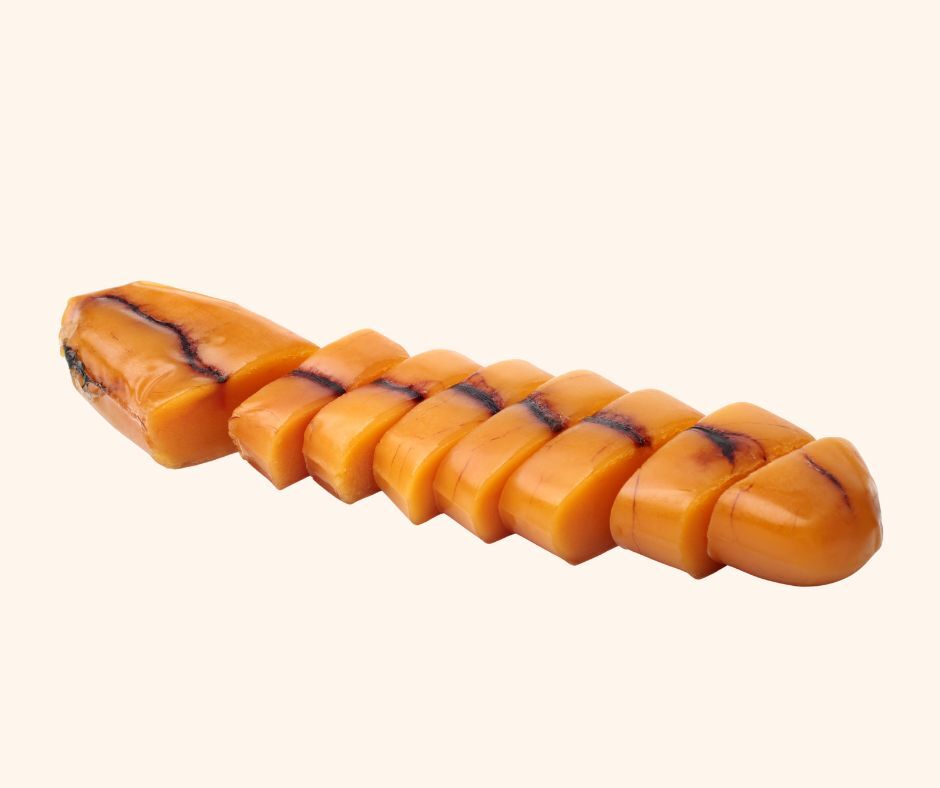
The result is a firm, golden-orange slab or sausage, ready for slicing or grating.
Flavor Profile
Intensely savory, with deep umami, marine salinity, and a subtle nuttiness.
The texture is dense and waxy, allowing it to be sliced thin or grated into delicate shavings.
Its flavor is both bold and refined—never overpowering, always enhancing.
How is Bottarga Made?
The roe sacs are carefully harvested, cleaned, salted, and pressed to remove excess moisture.
The roe is then air-dried for several weeks, concentrating its flavor and firming its texture.
No artificial preservatives or flavorings—just pure, traditional craftsmanship.
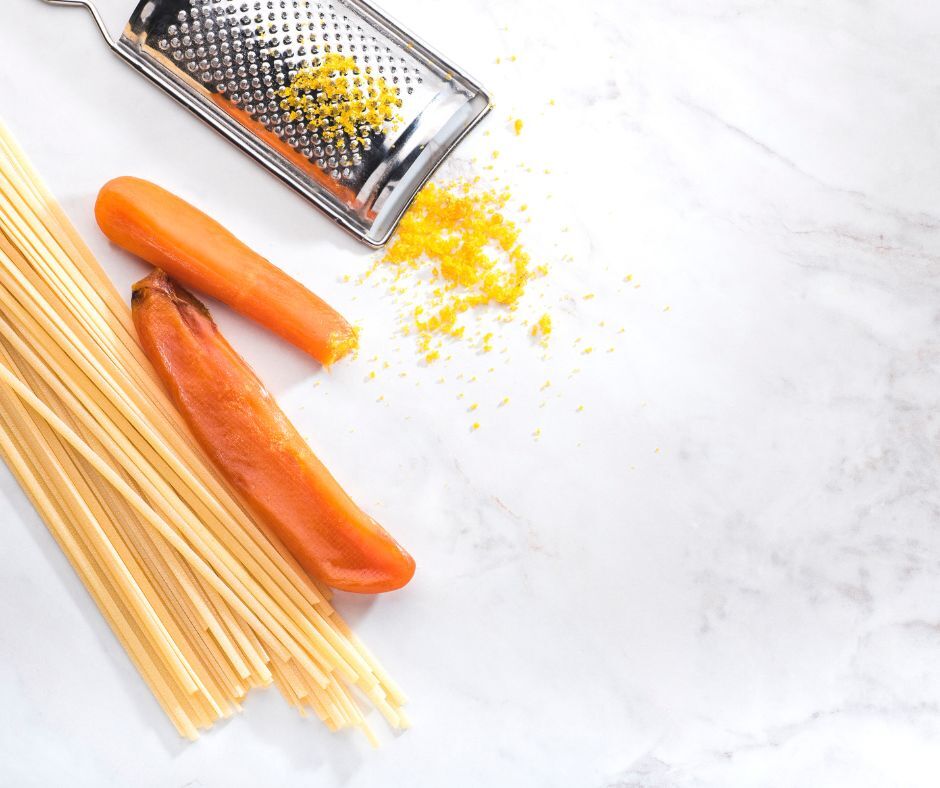
Pasta: The most iconic use. Grate bottarga over hot spaghetti tossed with olive oil, garlic, and lemon zest for a classic Mediterranean dish.
Toast: Slice thinly and serve on warm, buttered toast or crostini. Add a drizzle of olive oil and a squeeze of lemon for a refined appetizer.
Salads: Shave bottarga over raw or lightly cooked vegetables—think shaved fennel, arugula, or citrus salads—for a burst of umami.
Eggs: Sprinkle grated bottarga over scrambled eggs, omelets, or soft-boiled eggs for a savory breakfast upgrade.
Seafood: Use as a garnish for crudo, carpaccio, or grilled fish to amplify the oceanic flavors.
Pairings and Presentation
Bottarga pairs beautifully with extra virgin olive oil, citrus, fresh herbs (parsley, chives, dill), and simple grains or legumes.
Its concentrated flavor means a little goes a long way—use sparingly for maximum impact.
For entertaining, offer bottarga as part of a Mediterranean antipasto board alongside olives, cheeses, and artisanal breads.
Conclusion: Bottarga’s Lasting Allure
Bottarga is a testament to Mediterranean ingenuity—a simple ingredient transformed by tradition into a luxurious delicacy. Whether grated over pasta, layered on toast, or used as a gourmet garnish, bottarga delivers a unique umami depth that defines some of the region’s most beloved dishes. For chefs and home cooks alike, it’s an essential ingredient for elevating everyday meals into memorable Mediterranean experiences.
Frequently Asked Questions (FAQ)
What is bottarga made from?
Bottarga is made from the salted, pressed, and air-dried roe of grey mullet or tuna.
How do you use bottarga in cooking?
Grate or slice bottarga over pasta, toast, salads, eggs, or seafood to add a savory, umami-rich flavor.
What does bottarga taste like?
It has a concentrated umami flavor, briny salinity, and subtle nuttiness—bold yet refined.
How should bottarga be stored?
Keep whole bottarga wrapped and refrigerated. Once sliced or grated, use promptly for best flavor.
Is bottarga healthy?
Yes—bottarga is rich in protein, omega-3 fatty acids, and essential minerals, making it both delicious and nutritious.
Can you eat bottarga raw?
Yes—bottarga is fully cured and safe to eat as is, whether grated or sliced.