

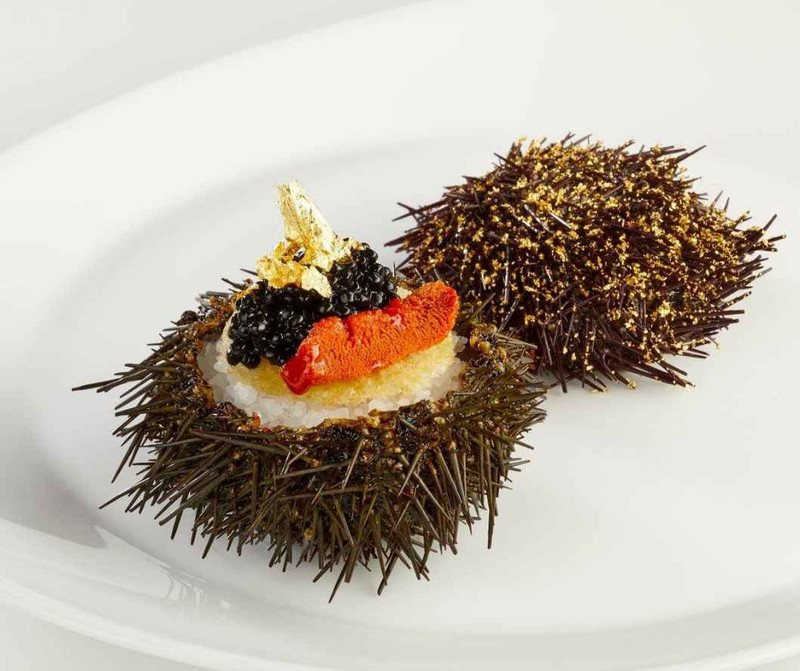
Edible gold is one of the few finishing touches that changes a dish before the first bite: it signals intention, precision, and celebration. Used well, it looks modern and composed—not flashy.
This guide breaks down the three formats that matter most—gold leaf, gold powder, and gold crumbs—so you can choose the right one, apply it cleanly, and get a result that feels effortless.
What is Edible Gold?
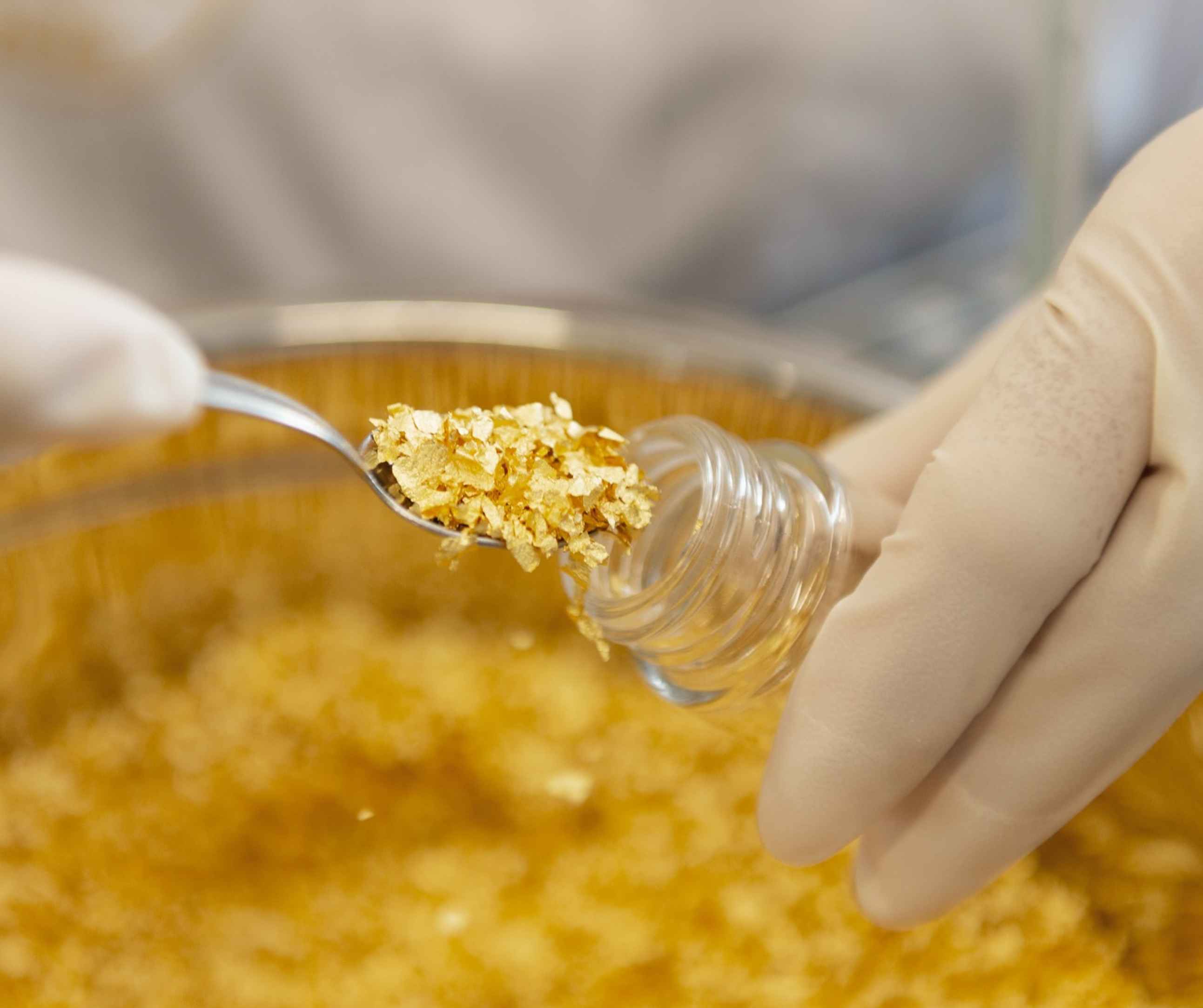
Edible gold is real gold made for culinary use—typically very high purity—processed into ultra-thin leaf or fine particles. It’s used for visual impact rather than flavor, which is exactly why technique matters: the goal is a clean, controlled finish.
The three types of edible gold (and what each one is best for)
1) Edible Gold Leaf
Gold leaf is paper-thin sheets that create the most dramatic, seamless surface.
Best for:
- Chocolate bonbons and truffles
- Petit fours, macarons, and plated desserts
- Butter boards, canapés, and composed bites
- Cocktail rims and glass accents
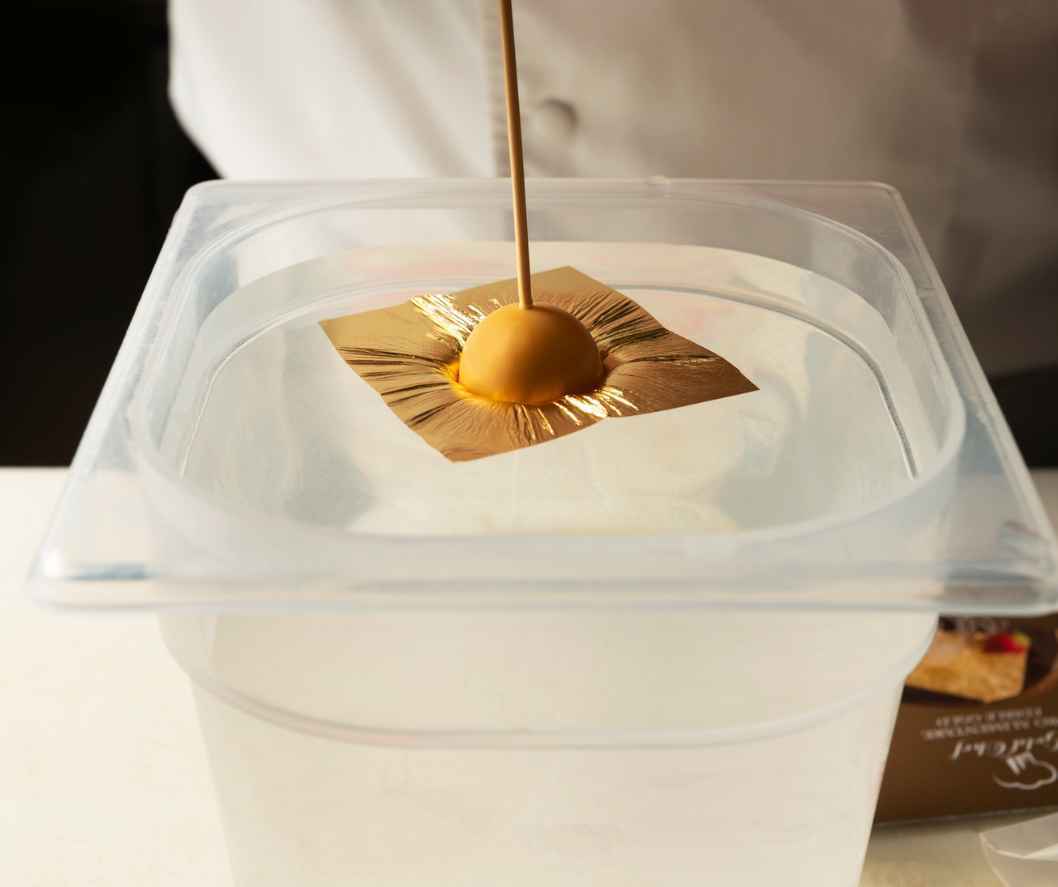
The secret to a cleaner look: Float the gold leaf on a shallow container of water, then dip the truffle straight down and lift once—no rolling, no brushing—so the leaf transfers as one crisp panel.
2) Edible gold powder
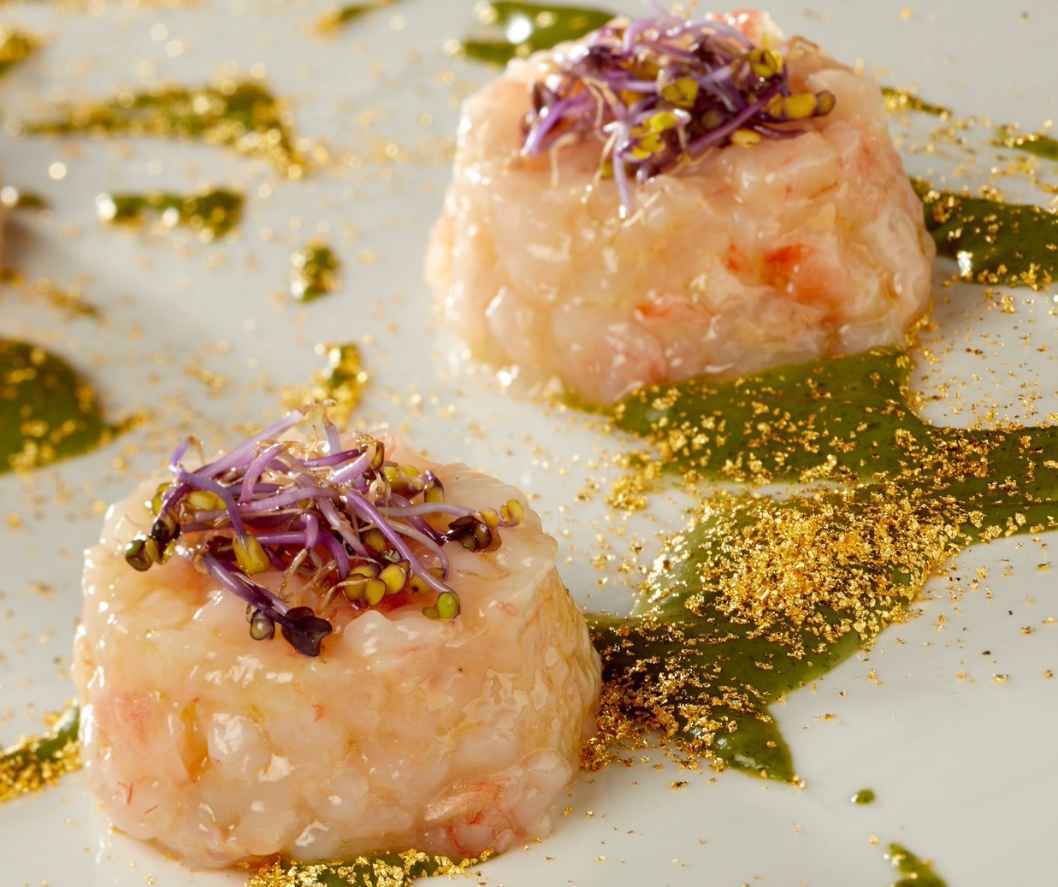
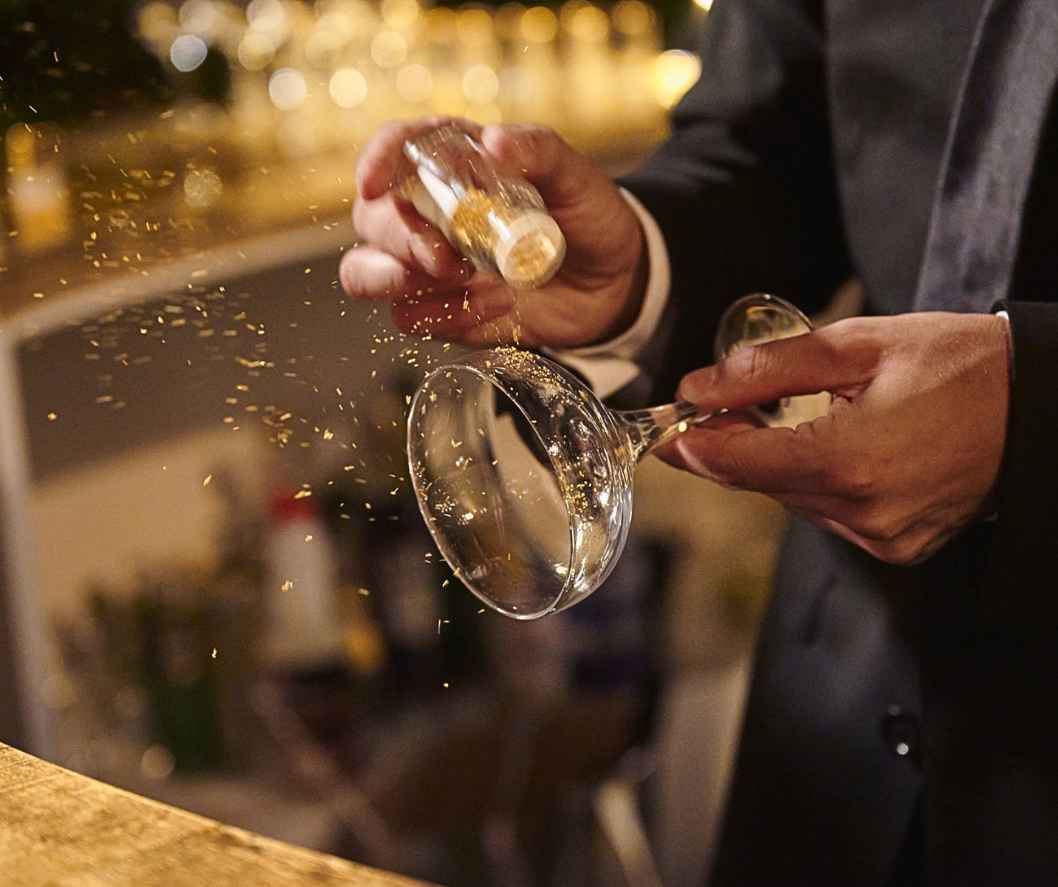
Gold powder gives a soft, luminous finish—more “glow” than “sparkle.” It’s ideal when you want even coverage or a subtle highlight.
Best for:
- Dusting chocolate, truffles, and pastries
- Brushing onto fondant, marzipan, or molded chocolate
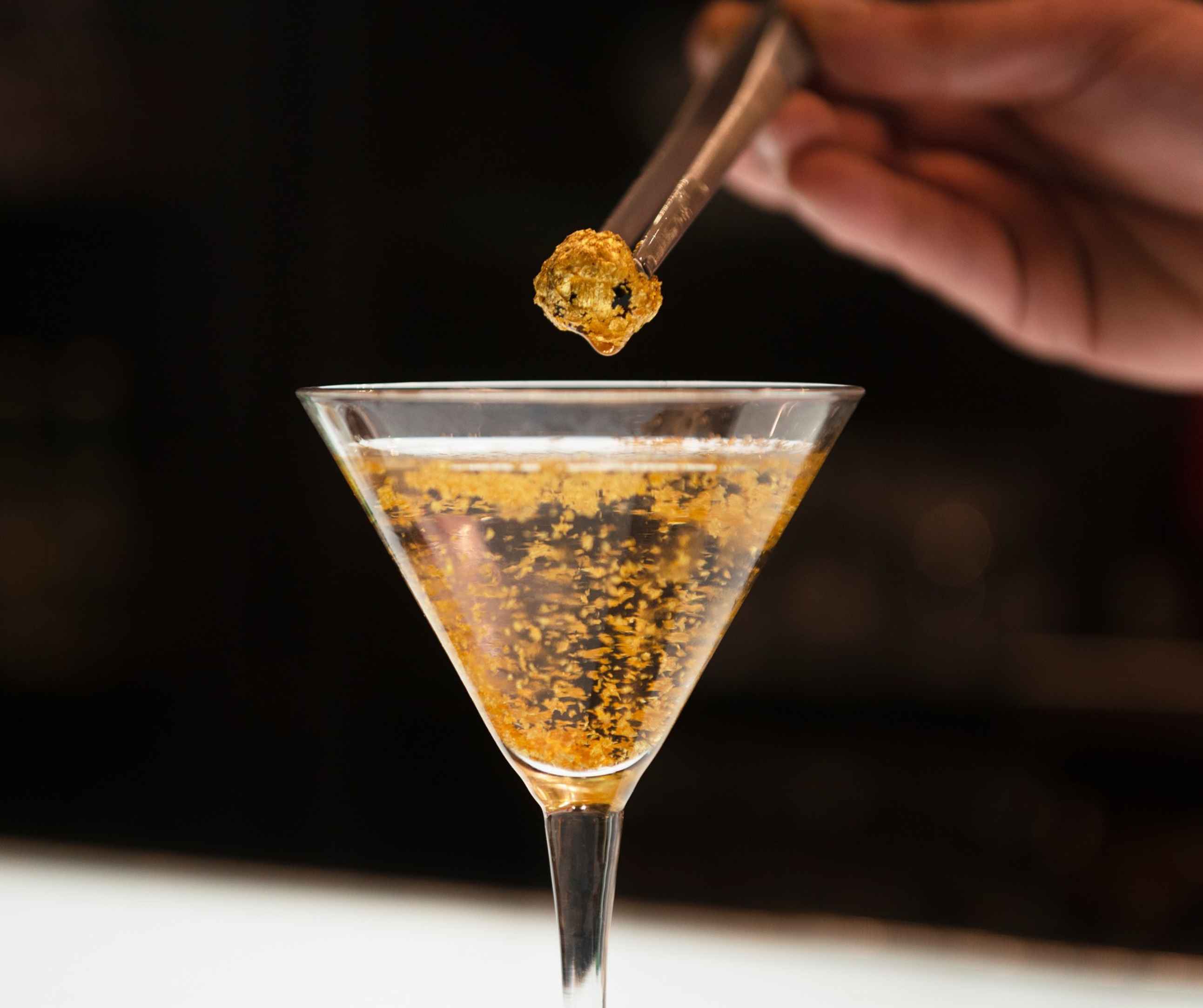
- Adding a refined shimmer to cocktails
The secret to a cleaner look: Apply in light layers. You can always add more; removing excess is harder.
3) Edible gold crumbs
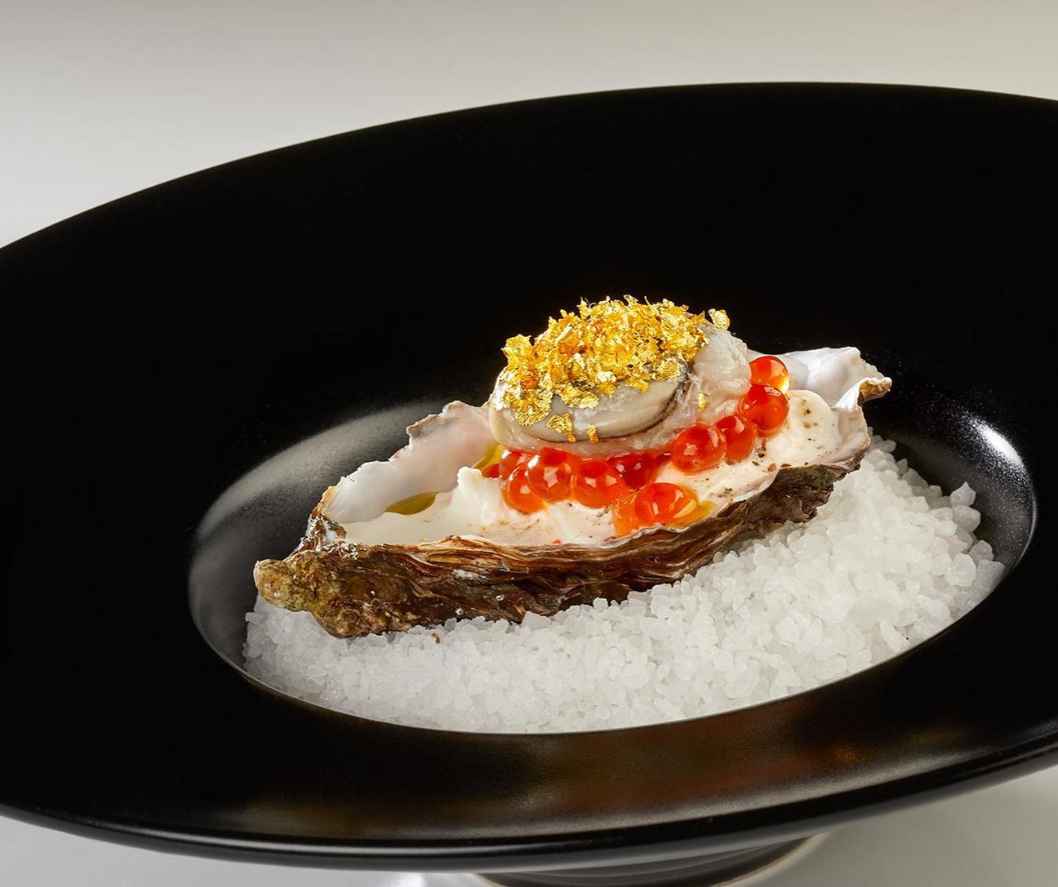
Gold crumbs are small flakes that catch the light with texture. They read as intentional and contemporary—especially on dark chocolate, butter, and caviar service.
Best for:
- Finishing canapés and crostini
- Garnishing chocolate bark and dipped fruit
- Accenting butter, soft cheeses, and small plates
The secret to a cleaner look: Use a pinch, placed in one area—not scattered everywhere.
How to apply edible gold without overdoing it
- Keep everything dry: Tools, hands, and surfaces. Moisture makes gold cling unpredictably.
- Work with a surface that can hold it: Fresh ganache, lightly set chocolate, a thin glaze, or a tiny dot of honey/syrup.
- Choose one focal point: One corner, one edge, one stripe—clean placement looks intentional.
Common mistakes (and how to avoid them)
- Using too much: Gold is most convincing in small, deliberate placements.
- Applying with wet hands/tools: Moisture causes tearing, clumping, and accidental transfer.
- Overworking the finish: Rolling, rubbing, and repeated touches create mess.
Storage and Handling
- Keep edible gold sealed, dry, and away from humidity.
- Open containers only when you’re ready to apply.
- Handle leaf gently and avoid drafts—air movement is enough to fold or tear it.
The finishing touch
If you’re choosing just one: start with edible gold leaf for the most versatile, high-impact finish. If you want the easiest, most controlled option for quick plating: add edible gold crumbs.
If you want to take it further, explore:
Frequently Asked Questions (FAQ)
- Does edible gold have a taste?
Edible gold is used for appearance, not flavor. The goal is a clean finish that complements what you’re serving.
- Is edible gold safe to eat?
Edible gold made for culinary use is intended for consumption. If you’re serving guests, stick to products specifically labeled for food use.
- Which is easiest for beginners: leaf, powder, or crumbs?
Gold crumbs are the easiest to control. Gold powder is next. Gold leaf takes the most finesse but delivers the most striking result.
- How should I store it?
Store tightly closed in a cool, dark pantry. No refrigeration needed.