

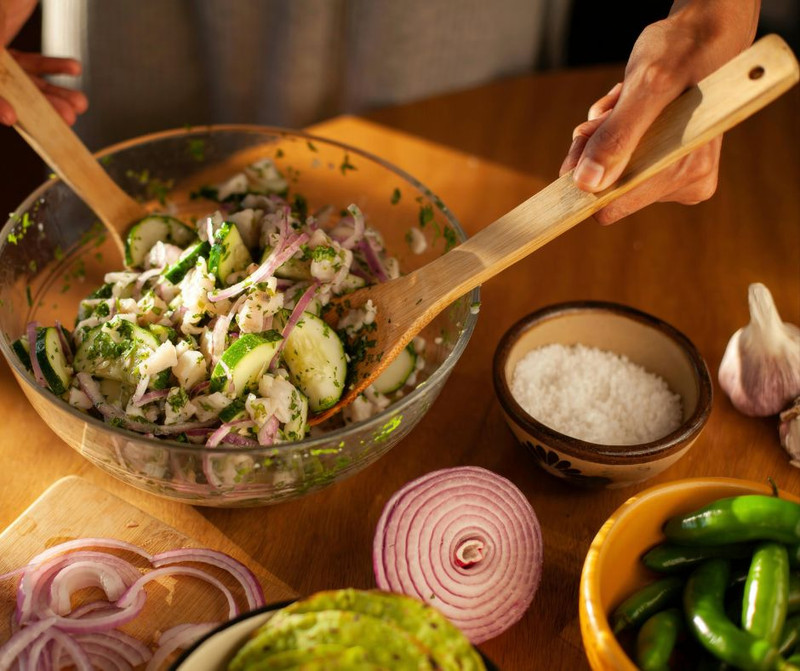
Salt is the most important ingredient in your kitchen—and the easiest to misuse. The difference between a dish that tastes flat and one that tastes complete often comes down to which salt you used, when you used it, and how much. You build depth while cooking, then adjust at the end—sometimes with a clean finish, sometimes with texture, sometimes with a subtle aromatic note.
Below are five essential salt styles to keep on hand, plus the specific selections we recommend for each—so you can choose with confidence, dish by dish.
1) Fleur de sel (the everyday finishing essential)
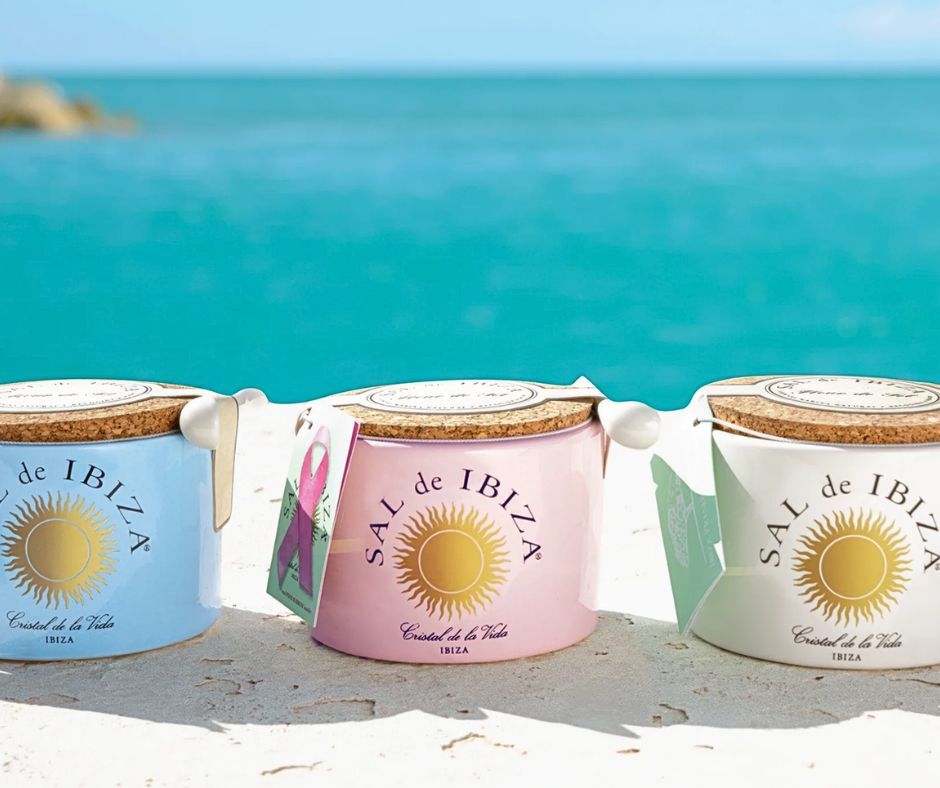
Fleur de sel is harvested from the surface of salt ponds and prized for its delicate crystals and clean salinity. Use it at the end—never buried in a long simmer—so it keeps its texture and brightness.
Best for: sliced tomatoes, salads, eggs, grilled fish, roasted vegetables, and warm bread with butter.
When to use it: at the end, right before serving.
Try: Sal de Ibiza Fleur de Sel in Ceramic Jar
2) Flaky sea salt (for texture and a crisp finish)
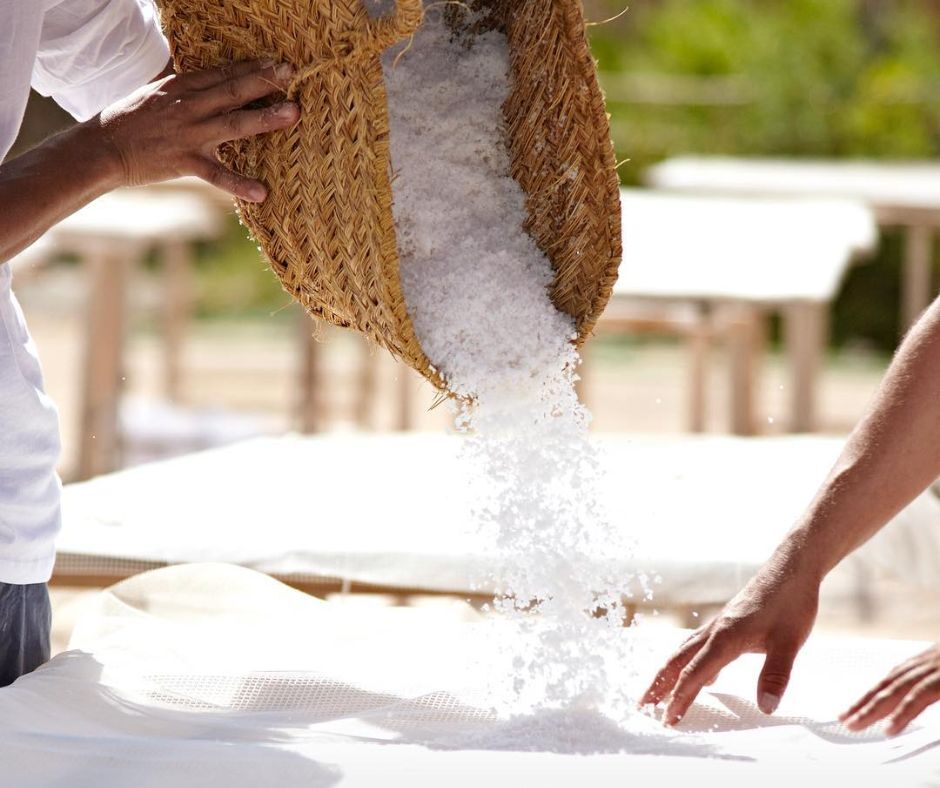
Flaky salts are all about structure: thin, light crystals that dissolve quickly while still giving you that final, satisfying crunch. They are ideal when you want a visible finish and a clean snap on the palate.
Best for: steak, chicken, roasted potatoes, chocolate desserts, caramel, and even a simple avocado toast.
When to use it: at the end, after cooking—so the flakes stay crisp.
Try: Flor de Sal D’es Trenc Mediterranean Sea Salt Flakes
Also consider: D’es Trenc Organic Fleur de Sel Luxury Gift Set (a refined way to explore infused finishing salts—ideal if you like to match seasoning to the dish).
How to use the D’es Trenc Organic Fleur de Sel Gift Set (quick pairing guide)
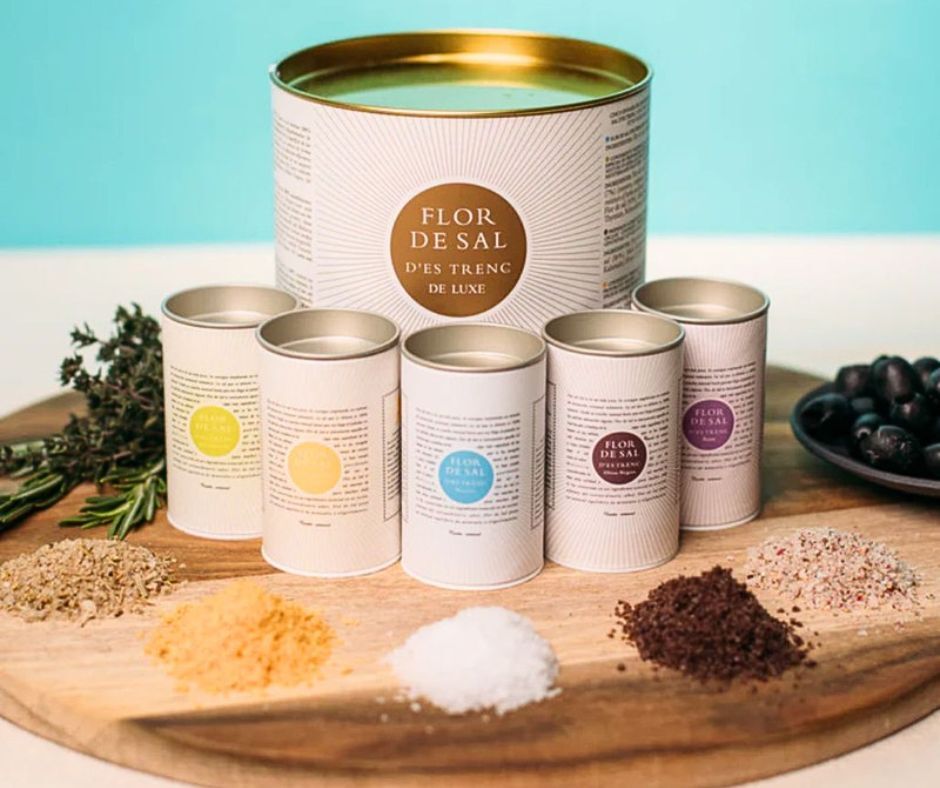
If you want a simple way to choose a jar without overthinking it, use this as your cheat sheet:
Sri Lanka: warm, spiced depth for roasted vegetables, chicken, lentils, and rice dishes.
Rose: floral lift for salads, cream cheese, grilled items, and fresh cheeses.
Black Olive: savory intensity for pasta, meats, and fish.
Mediterranean: herb-forward finish for tomatoes, roasted vegetables, and simple vinaigrettes.
Natural Fleur de Sel: your all-purpose finishing salt when you want clean salinity.
3) Smoked salt (depth without extra cooking)
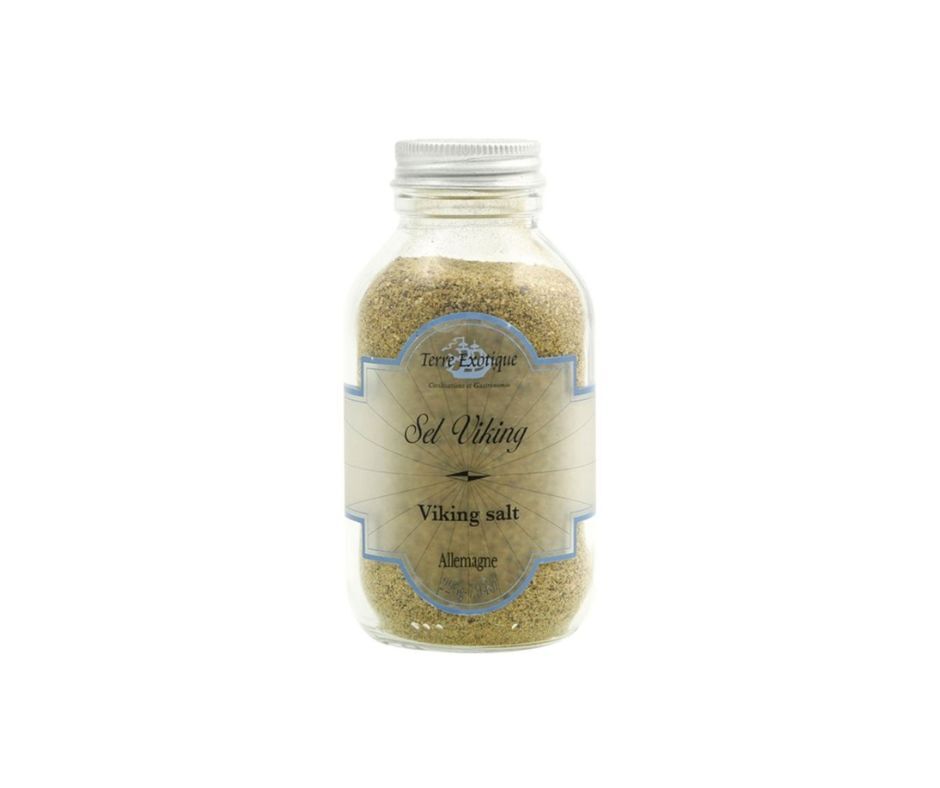
Smoked salt brings aroma first, salinity second. A small pinch can give the impression of a grill, a wood-fired oven, or a long roast—without changing your method.
Best for: eggs, roasted mushrooms, potatoes, creamy dips, grilled meats, and seafood where you want subtle smoke.
When to use it: mostly at the end. Add it right before serving (or in the last minute or two of cooking) so the smoke stays vivid. If you simmer it for a long time, the aroma can fade and the dish can start to taste one-note.
Try: Terre Exotique Viking Smoked Salt
4) Citrus salt (brightness for seafood, salads, and clean finishes)
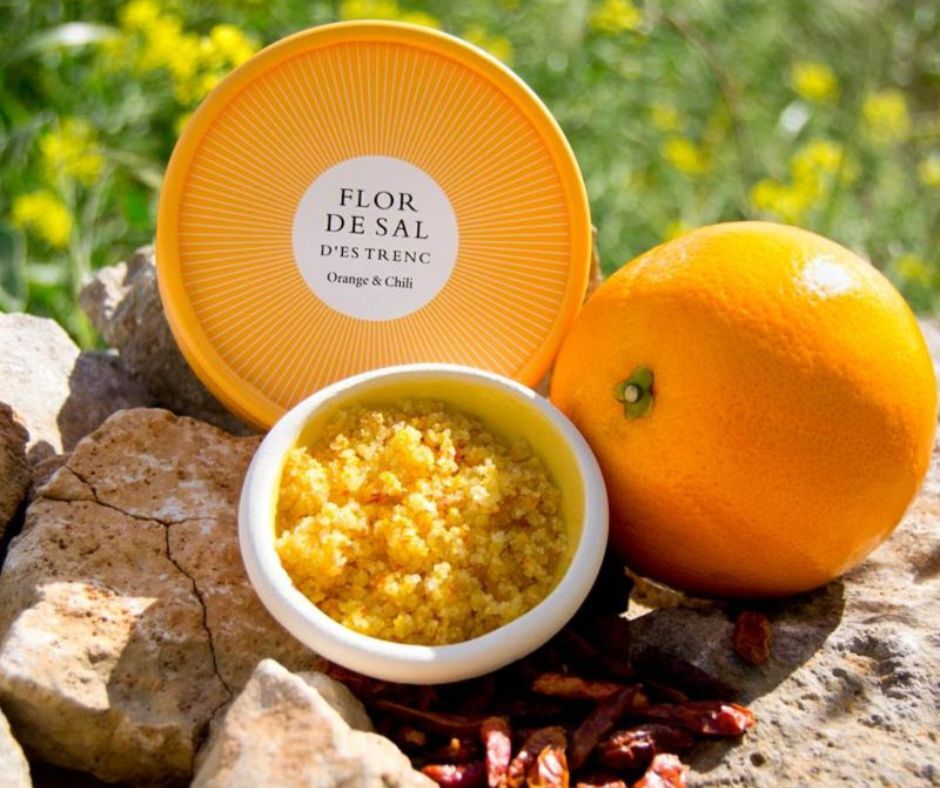
Citrus-forward salts add lift. They work especially well with seafood and vegetables because they deliver acidity-adjacent freshness without adding liquid.
Best for: crudo, shrimp, grilled fish, cucumbers, fennel salads, vinaigrettes, and ricotta or fresh cheeses.
When to use it: at the end. Use it as a finishing salt after cooking, or sprinkle it directly on raw preparations (crudo, salads) right before serving. Heat can mute the citrus note, so avoid adding it early in the cooking process.
Try: D'es Trenc Orange & Chili Fleur de Sel
5) Seasoned finishing salts (when you want more than salt)
When you're looking for a finishing accent—something that adds aroma and a savory edge—seasoned salts are the move. They bring character without requiring extra ingredients or extra steps.
Best for: grilled chicken, roasted vegetables, fries, eggs, pasta, and anything that benefits from a more expressive finish.
When to use it: usually at the end, or split—season lightly during cooking, then finish with a small pinch for aroma.
Try: Vinzü Fleur De Sel with Organic Espelette Pepper
Also try: Vinzù Fleur De Sel from Île De Ré with Wild Garlic (especially good on eggs, potatoes, roasted vegetables, and buttered pasta).
Cook with fine salt. Finish with texture.
If you keep one everyday fleur de sel, one flaky salt, one smoked salt, and one aromatic blend, you can season nearly anything with precision—and make even simple dishes feel intentional.
Frequently Asked Questions (FAQ)
- Is fleur de sel the same as flaky sea salt?
Not exactly. Fleur de sel is typically more delicate and slightly moist, with fine, irregular crystals. Flaky sea salt is engineered or harvested to create larger, lighter flakes that deliver more crunch. Both are best used as finishing salts, but they create different textures.
- What salt should I use for cooking vs. finishing?
Use a consistent, fine salt for cooking (so it dissolves evenly and seasons predictably). Save specialty salts—fleur de sel, flakes, smoked, citrus, and spice blends—for finishing, where their texture and aroma remain noticeable.
- Will smoked salt make a dish taste “smoky”?
Yes, but it depends on how you use it. Start with a small pinch and taste. Smoked salt is most effective as a final accent; too much can dominate lighter foods.
- What’s the best salt for tomatoes?
For a clean, classic finish, use Sal de Ibiza Fleur de Sel in Ceramic Jar. If you want a more savory, concentrated tomato-forward effect, D’es Trenc Tomato Fleur de Sel is an excellent finishing option.
- How should I store finishing salts?
Keep them tightly closed and away from steam and humidity. Ceramic jars and sealed tins help, but any finishing salt will clump if it lives next to the stove.
- Are infused salts better than using fresh herbs and spices?
They are different tools. Infused salts are best when you want a consistent, quick finishing note—especially for weeknight cooking or simple dishes. Fresh herbs and spices are better when you want brighter, more volatile aromatics and you have time to build layers.