
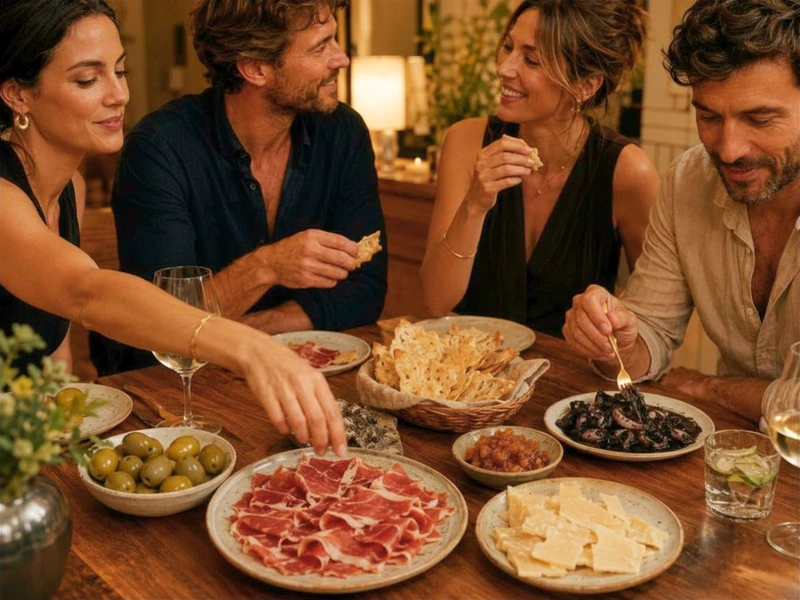
What if the secret to effortless entertaining is not cooking more—but opening better things?
Across Europe, some of the most memorable moments before dinner begin with almost no cooking at all. A few exceptional ingredients are opened, sliced, broken, spooned onto plates, and passed around while the evening unfolds. The magic is not in complexity; it is in choosing foods with enough character to make the table feel complete.
That is the idea behind the European aperitif: something salty, something rich, something crisp, something savory, and one unexpected specialty that makes everyone ask, “What is this?” With six carefully chosen ingredients, you can create a table that feels generous, sophisticated, and remarkably easy to put together.
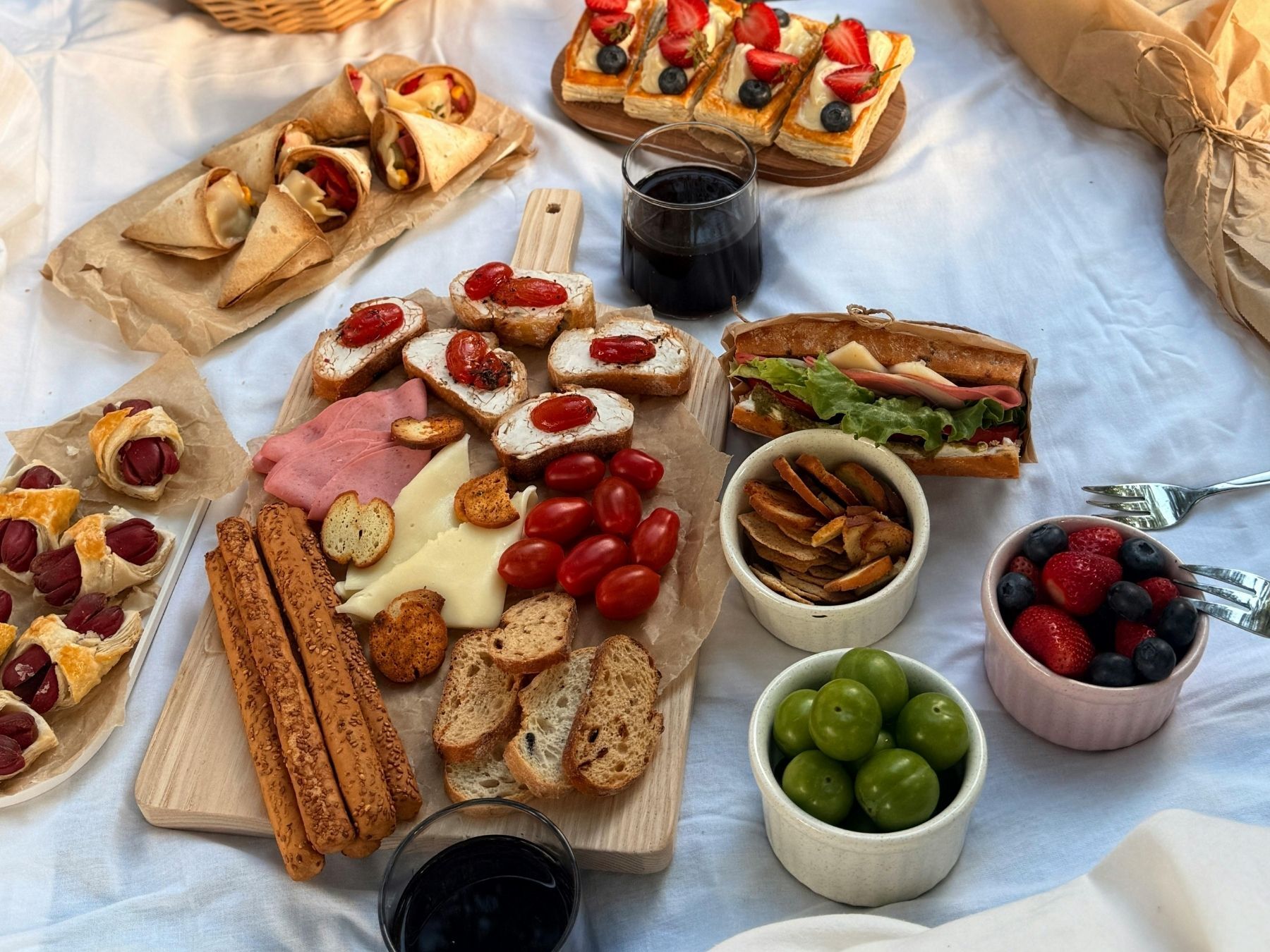
Six Ingredients. No Cooking.
Forget the enormous grazing board overloaded with twenty different things. A memorable aperitif is often more interesting when there is less on the table—but everything has a reason to be there.
For this one, we selected six European specialties that play different roles:
- Losada Whole Gordal Olives
- Ramón Peña Squid in Ink Sauce — Chipirones en su Tinta
- Montaraz 100% Ibérico Acorn-Fed Ham — Sliced
- Parmigiano Reggiano DOP Mitica® 36 Months
- Lady Joseph Artisan Vegan Crackers with Brittany Sea Salt and Olive Oil
- L'Epicurien Shallot Confit
Open. Cut. Spoon. Plate.
That is almost the entire recipe.
Start With The Olives Everyone Notices
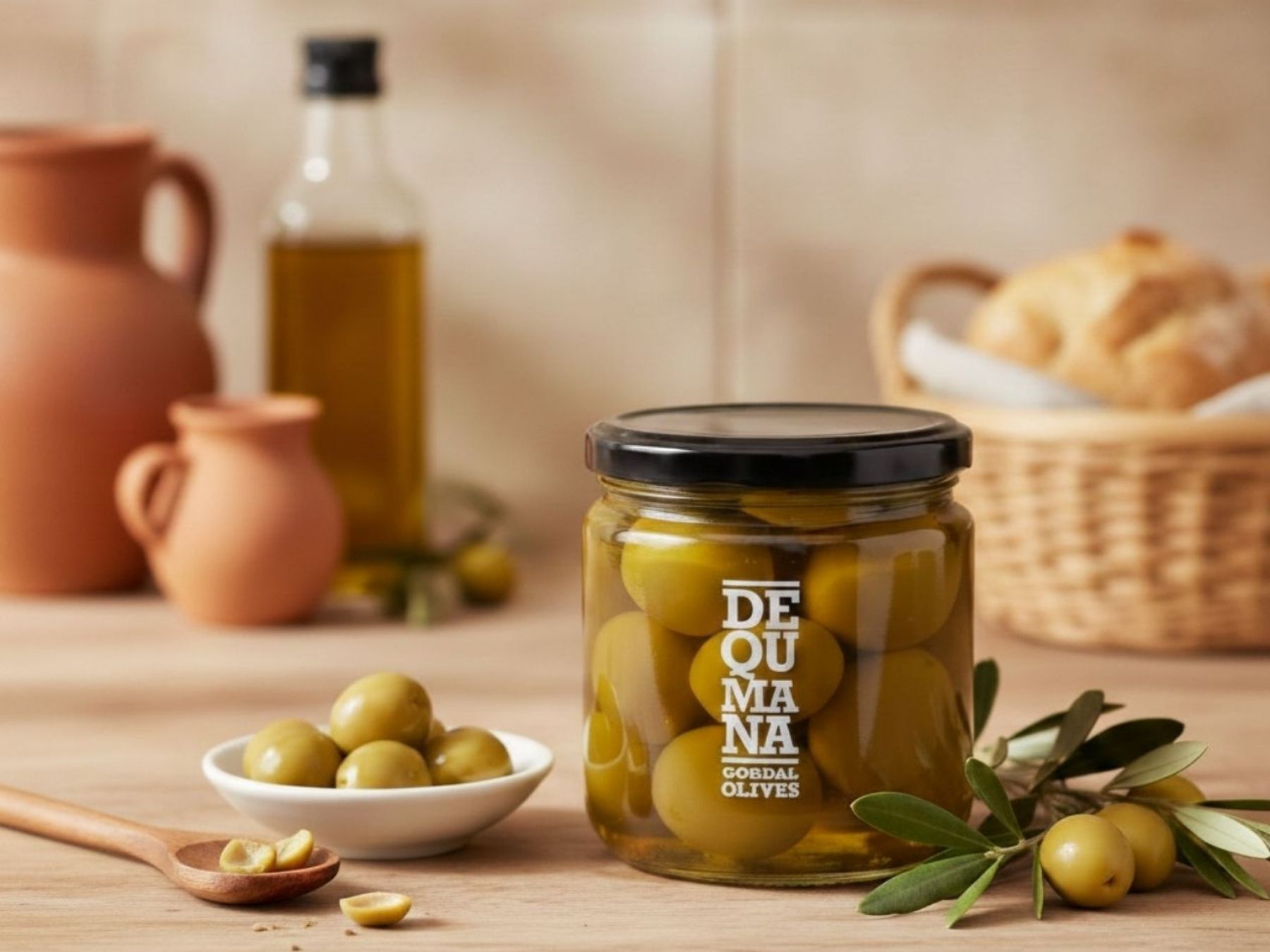
An ordinary bowl of olives can disappear into the background. Gordal Olives rarely do.
Their name means “the fat one” in Spanish, and one look explains why. Large, fleshy, and satisfyingly firm, Gordal olives have the kind of presence that makes someone reach across the table and ask where they came from.
Losada Whole Gordal Olives are exactly what you want at the beginning of an aperitif because they require absolutely nothing from the host. Pour them into a small bowl, place it on the table, and let people begin eating while everything else finds its way out of the kitchen.
That first effortless bite sets the tone for what follows: European entertaining does not have to look complicated to feel special.
Then Bring Something Extraordinary to the Center
There are foods that need an explanation, and then there is Ibérico ham.
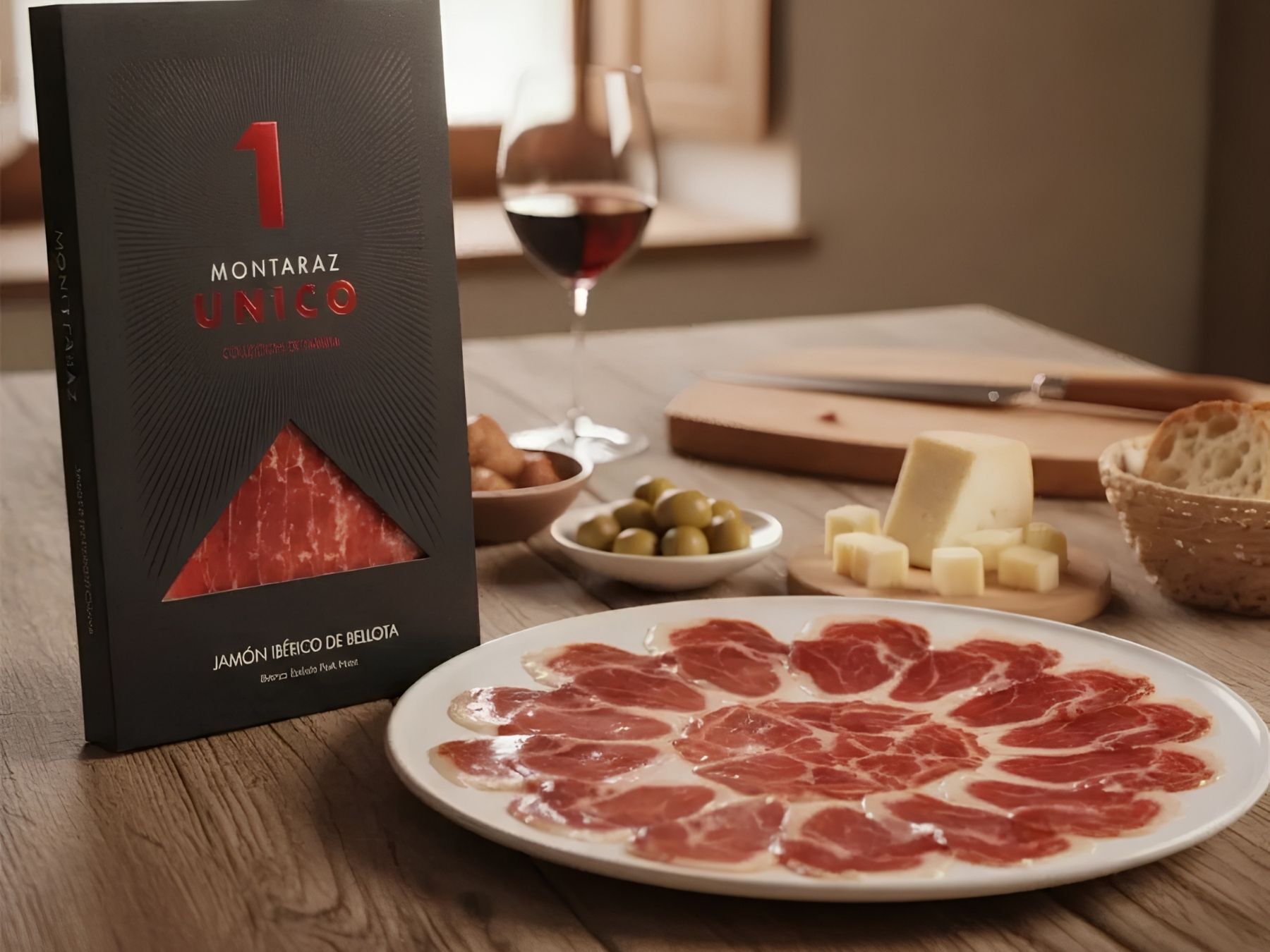
Bring a plate of beautifully sliced ham to the table and people instinctively understand that something different is happening. The marbling, aroma, delicate texture, and extraordinary depth of flavor give it a presence few other cured meats can match.
Our Montaraz 100% Ibérico Acorn-Fed Ham makes this part particularly simple because it comes already sliced. Allow it to come to temperature, separate the slices gently, and arrange them loosely rather than making the plate look overly formal.
Then resist the temptation to embellish it.
Exceptional Iberico ham does not need a complicated accompaniment or a recipe. Its role in this European aperitif is to be exactly what it is: the ingredient everyone comes back to for one more slice.
Let the Parmigiano Break Naturally
Here is where Italy enters the conversation.
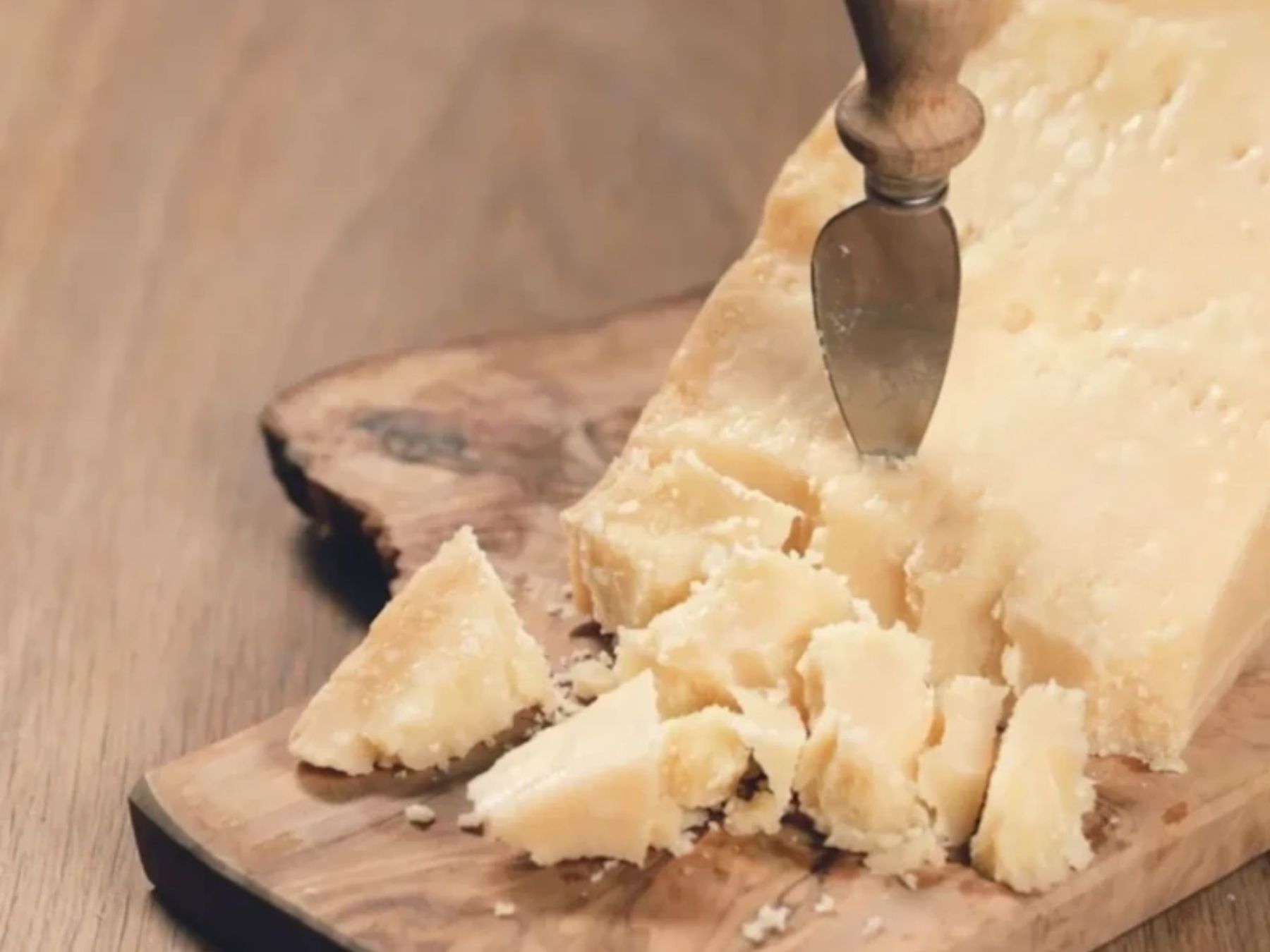
Most people recognize Parmigiano Reggiano, but a 36-month Parmigiano Reggiano DOP is something worth slowing down for. Extended aging concentrates its flavor and creates the granular, crystalline texture that makes mature Parmigiano so distinctive.
So don't cut Parmigiano Reggiano DOP Mitica® 36 Months into perfect little cubes.
Break it.
Irregular shards and rough pieces expose its natural texture and make the whole experience feel more spontaneous. Take one piece on its own first, then try another with a small spoonful of shallot confit.
Suddenly, what looked like two unrelated products begin having a conversation of their own.
That is one of the secrets behind good aperitif ideas: the ingredients should be delicious individually, but even more interesting when guests begin combining them.
Every Table Needs Something Crisp
After the richness of Iberico ham and aged Parmigiano, the palate wants contrast.
Enter Lady Joseph Artisan Vegan Crackers with Brittany Sea Salt and Olive Oil. Made in Spain with extra virgin olive oil and sea salt from Guérande in Brittany, they bring the crisp texture that ties the rest of the table together.
Eat one with the cheese. Add a little shallot confit. Use another between bites of ham. Their role is not to compete with the stronger flavors around them but to give those flavors somewhere to land.
A thoughtfully assembled gourmet appetizer spread works this way. Not every ingredient needs to demand attention. Some are there because they make everything else better.
Save the Surprise for Last
Now for the ingredient most likely to start the conversation.
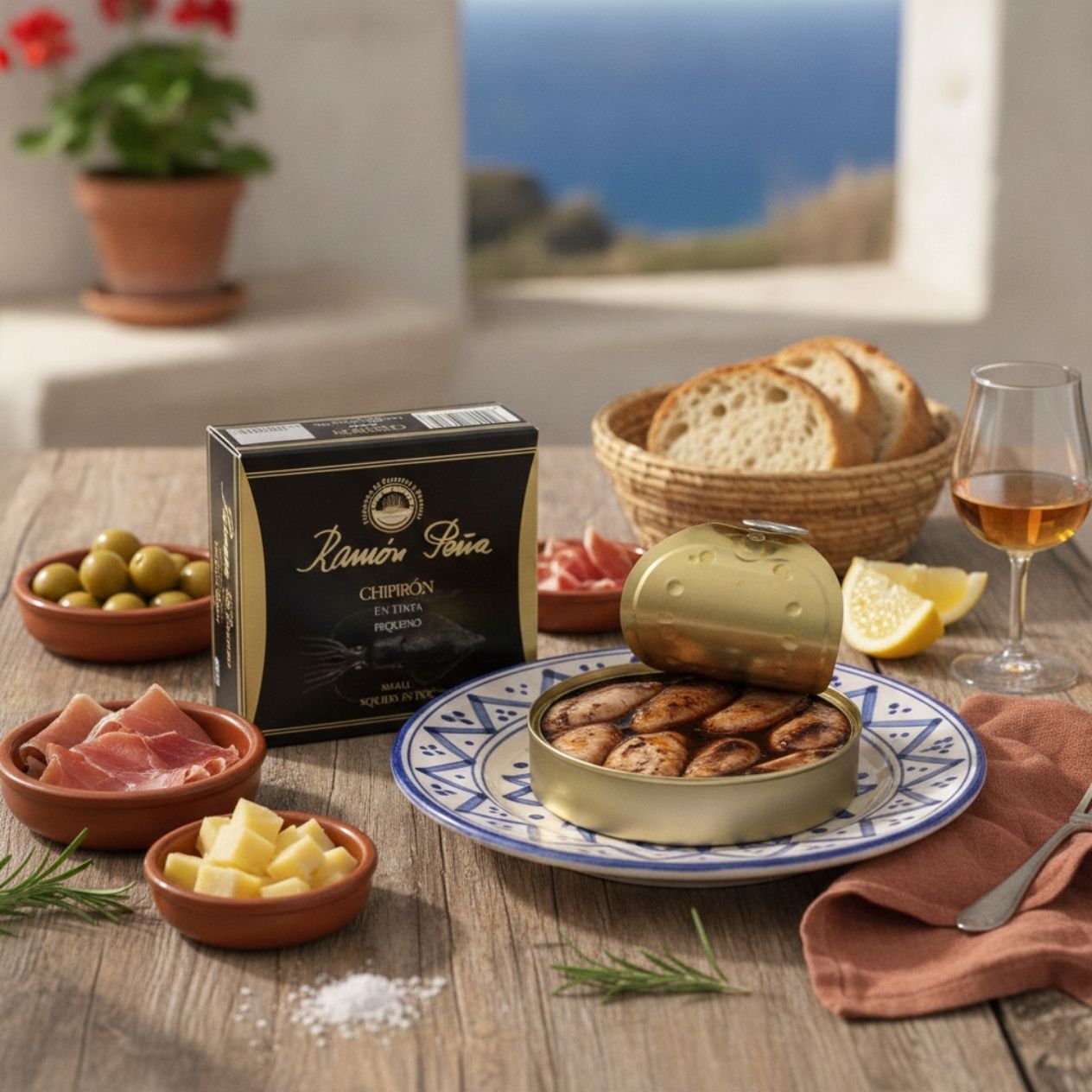
Open a few tins of Ramón Peña Chipirones en su Tinta, place the little squid and their dark ink sauce on a small plate, and watch what happens.
Someone will ask what they are.
Someone else will want to taste them.
And suddenly the aperitif has become more than something to eat.
Spain's tradition of conservas challenges the idea that preserved seafood is merely a substitute for fresh fish. Exceptional conservas are prepared to be enjoyed as specialties in their own right, and Ramón Peña's chipirones offer an ideal introduction: small squid surrounded by an intensely savory ink sauce that begs for a piece of bread or a crisp cracker.
This is exactly the kind of food we love introducing at Le Gourmet Central because it can change how someone thinks about an entire category.
A tin becomes an experience.
Put It Together in Ten Minutes
Here is the part that may surprise you most: once you have the ingredients, assembling the entire European aperitif should take about as long as setting the table.
Pour the Gordal olives into a bowl. Arrange the Ibérico ham loosely on a plate. Break the Parmigiano Reggiano into irregular chunks. Add the Lady Joseph crackers to a basket or small plate and spoon some shallot confit into a serving dish. Finally, plate the chipirones with enough of their ink sauce to scoop up with crackers or bread.
Then stop adding things.
The temptation in modern entertaining is to fill every empty space. More cheeses. More meats. More dips. More bowls.
But a beautiful table does not need to resemble a supermarket aisle.
Six distinctive foods allow guests to actually notice what they are eating, discover combinations, return to favorites, and ask questions about ingredients they may never have tasted before.
That is far more memorable than abundance for its own sake.
Frequently Asked Questions (FAQ)
-
What is a European aperitif?
A European aperitif is the relaxed period before a meal when drinks and small foods are shared. Traditions vary across Europe, but olives, cured meats, aged cheeses, crackers, preserved seafood, nuts, and savory accompaniments commonly appear on the table.
- What should I serve for an aperitif?
The easiest approach is to combine contrasting flavors and textures rather than serving many different dishes. Olives, cured ham, aged cheese, crisp crackers, a savory condiment, and preserved seafood create a balanced aperitif spread with very little preparation.
- What are easy European appetizers that require no cooking?
Some of the easiest European appetizers include Gordal olives, sliced Ibérico ham, Parmigiano Reggiano, artisan crackers, savory confits, and high-quality Spanish conservas. Most require little more than opening, slicing, or plating before serving.
- Are Spanish conservas simply canned food?
Although conservas are preserved foods, high-quality Spanish seafood conservas belong to a culinary tradition in which preservation, preparation, and presentation are treated with particular care. They can be served deliberately as part of tapas, an aperitif, or a simple meal rather than treated merely as substitutes for fresh seafood.
- How much food do I need for an aperitif?
An aperitif is intended for tasting and sharing rather than replacing a complete dinner. Several small portions with contrasting flavors and textures are usually enough. The goal is not to fill the table with food, but to give each person several interesting things to discover and enjoy.