
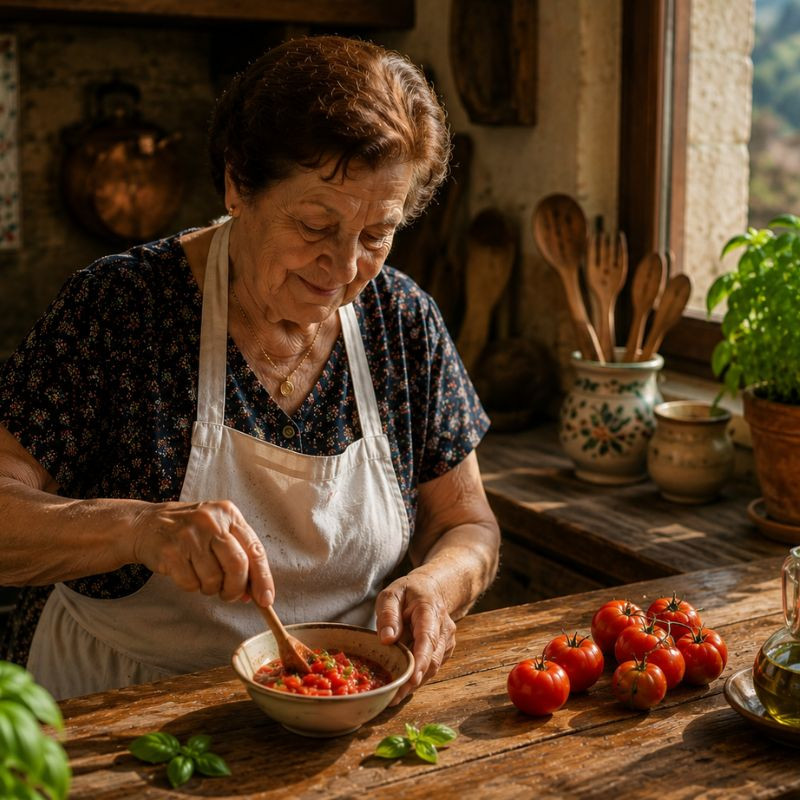
Few ingredients are as closely associated with Italian cooking as the tomato.
Whether simmered into a rich pasta sauce, sliced onto fresh bread, or served simply with olive oil and basil, tomatoes are at the heart of countless Italian recipes. Yet many visitors to Italy notice something surprising when they step into an Italian kitchen.
The tomatoes are often sitting on the counter—not in the refrigerator.
To anyone accustomed to refrigerating fresh produce, this may seem unusual. But for generations, Italian cooks have understood something that modern food science now confirms: storing ripe tomatoes at room temperature helps preserve the aromas, texture, and natural sweetness that make them so enjoyable.
Like many Italian culinary traditions, this simple habit isn't about following rules.
It's about respecting great ingredients.
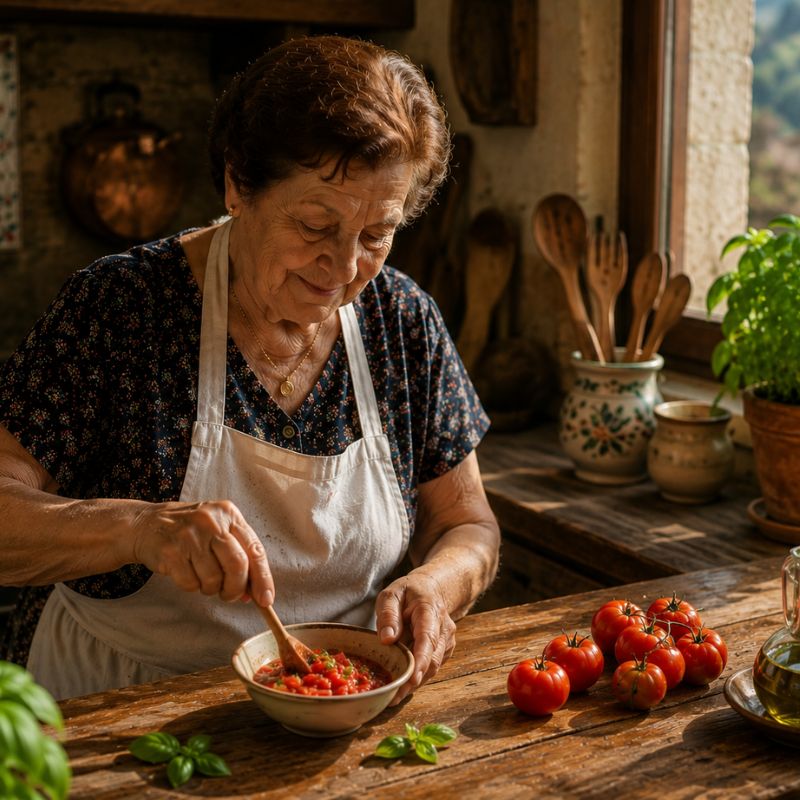
Why Fresh Tomatoes Taste Better at Room Temperature
A tomato continues to develop flavor after it has been harvested.
When ripe tomatoes are exposed to cold temperatures for extended periods, the compounds responsible for their aroma begin to break down. The flesh also becomes mealy, and much of the vibrant sweetness that defines a perfectly ripe tomato gradually fades.
That is why many Italian cooks leave ripe tomatoes on the kitchen counter until they are ready to enjoy them.
The goal isn't convenience. It's flavor.
A beautifully ripened tomato needs very little to become an unforgettable meal.
Italian Cooking Begins with Exceptional Ingredients
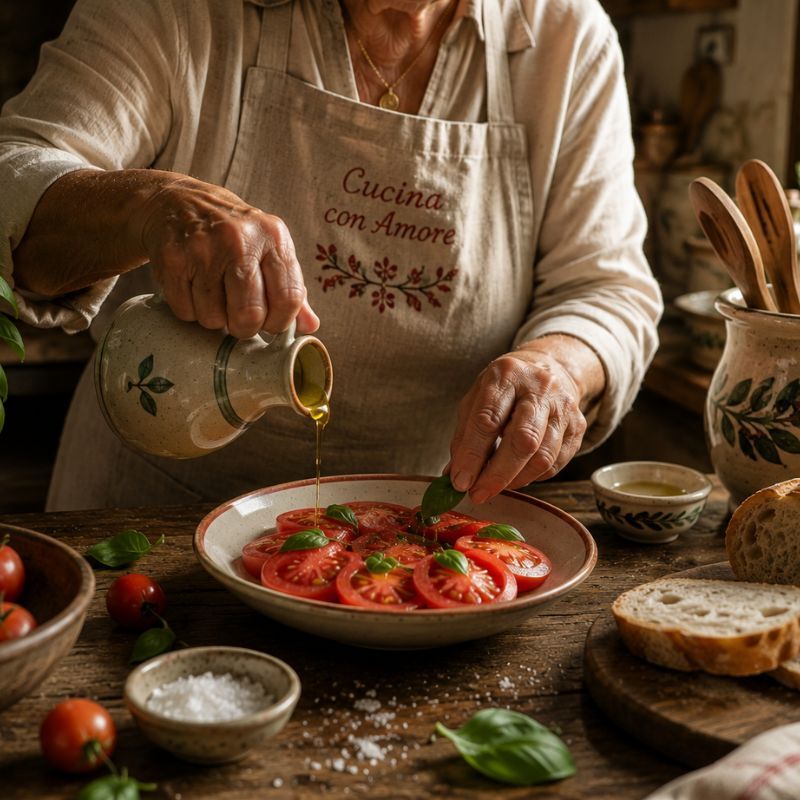
Italian cuisine has never depended on complicated recipes.
Instead, it celebrates ingredients that already possess remarkable flavor.
When tomatoes are naturally sweet and aromatic, they need little more than excellent extra virgin olive oil, fresh basil, and perhaps a pinch of sea salt. Every ingredient complements the next rather than competing for attention.
This philosophy explains why authentic Italian cooking continues to inspire home cooks around the world.
Simple food becomes extraordinary when exceptional ingredients are allowed to shine.
The Best Tomato Sauces Begin Long Before Cooking
Great tomato sauces don't begin in the pot.
They begin with the tomatoes themselves.
Across Italy, producers carefully select tomatoes harvested at peak ripeness so that their natural sweetness and balanced acidity become the foundation of every recipe. Rather than masking inferior ingredients with sugar or excessive seasoning, traditional Italian cooking relies on the quality of the tomatoes from the very beginning.
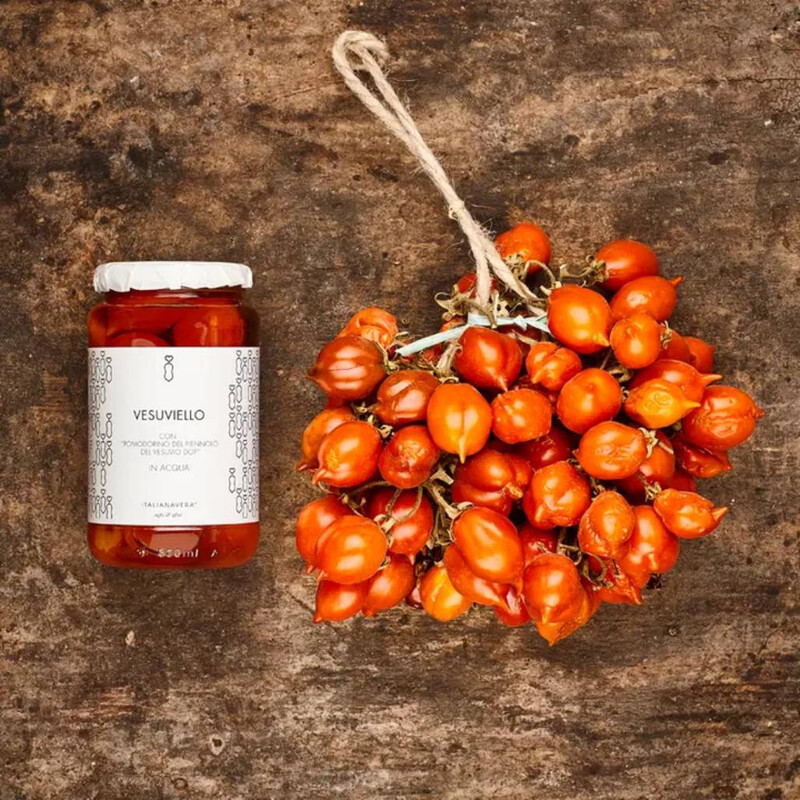
Our Vesuviello – Piennolo Tomatoes reflects that philosophy beautifully. Made from carefully selected Italian tomatoes, it provides the authentic flavor that forms the foundation of countless regional dishes, from simple pasta sauces to slow-cooked family recipes.
Sometimes the most important step in cooking happens before the stove is ever turned on.
The Secret Behind Many Italian Sauces
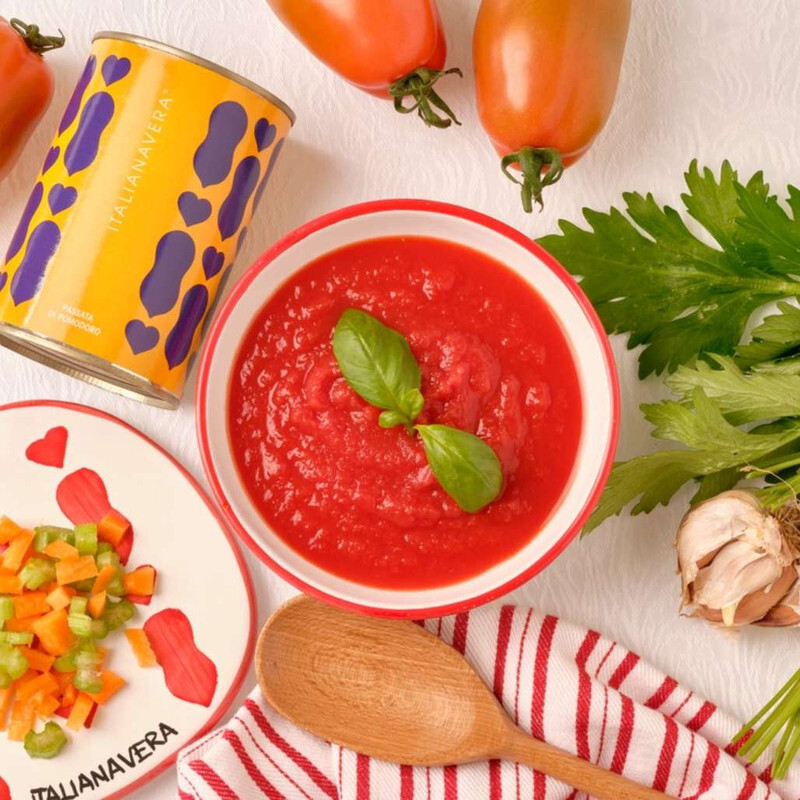
Walk into almost any Italian kitchen and you'll find a can of passata.
Unlike chunky tomato sauces, passata is simply ripe tomatoes that have been crushed and strained to create a smooth, velvety purée. It forms the foundation of countless family recipes because it allows the tomato—not the seasoning—to remain the star.
Passata di Pomodoro Tomato Purée follows this same tradition, offering the pure taste of ripe Italian tomatoes as generations of home cooks have enjoyed them.
For those seeking an authentic ready-made sauce, Marinara Tomato Sauce with Wild Oregano captures another Italian principle: when tomatoes are exceptional, only a few carefully chosen ingredients are needed. Wild oregano enhances the tomatoes without overpowering them.
The same philosophy appears in Al Basilico Tomato Sauce, where fragrant basil simply complements the sweetness of the tomatoes, proving that the finest Italian sauces are often the simplest.
Every Region Tells a Different Tomato Story
No single recipe can represent all of Italy.
Every region has developed its own traditions, shaped by local ingredients, history, and climate.
Sicily, for example, celebrates bold Mediterranean flavors through dishes that combine tomatoes with vegetables, herbs, and olive oil.
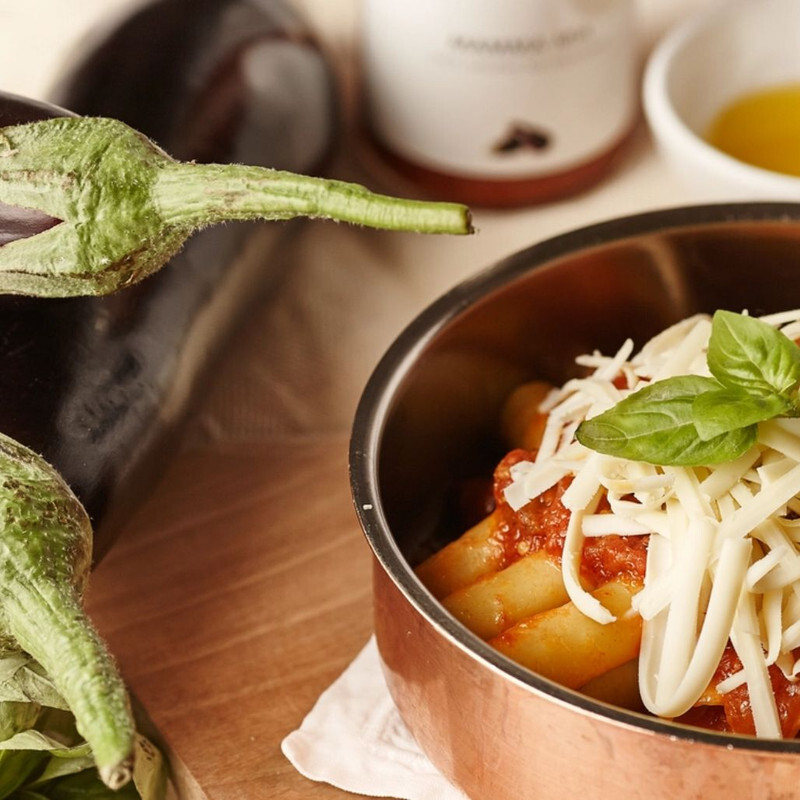
Our Mamma Mia Eggplant Tomato Sauce reflects that regional heritage, bringing together ripe tomatoes and tender eggplant in a recipe inspired by southern Italy's love of vibrant, uncomplicated cooking.
Exploring Italian cuisine means discovering that every region tells its own story—one ingredient at a time.
Before Refrigerators, There Was the Mediterranean Sun
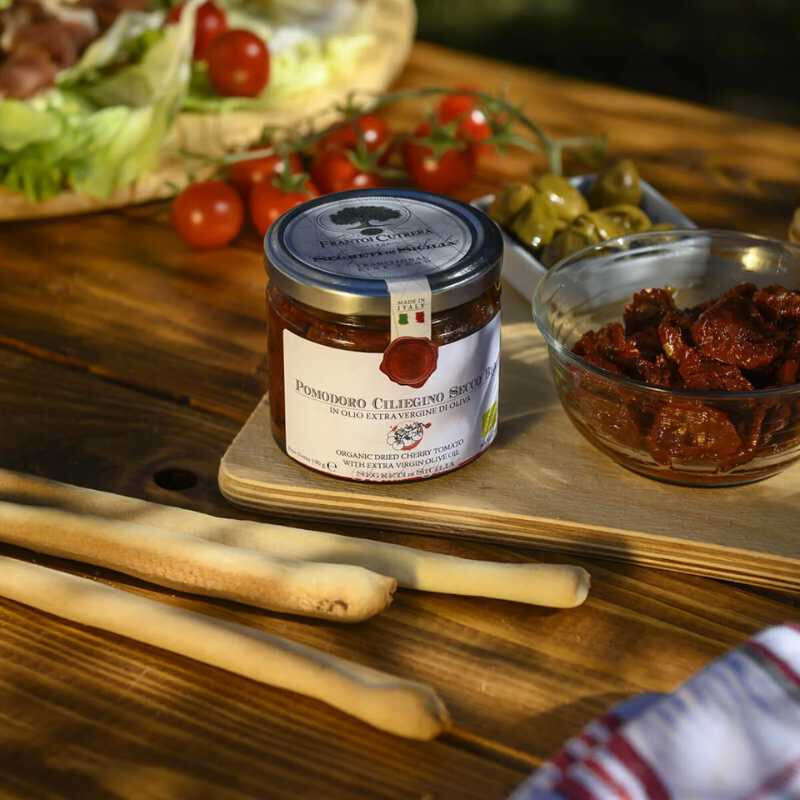
Long before refrigeration existed, Mediterranean families developed ingenious ways to preserve tomatoes while concentrating their flavor.
Rather than cooling them, they dried them slowly beneath the summer sun before preserving them in extra virgin olive oil. The result was an ingredient with remarkable sweetness and depth that could enrich pasta, salads, sandwiches, or simply warm bread.
These Dried Cherry Tomatoes in EVOO continue this Sicilian tradition, offering an intensely flavorful reminder that preserving food once meant enhancing it—not merely extending its shelf life.
But Should Tomatoes Ever Be Refrigerated?
Yes, and this is where the story becomes more interesting.
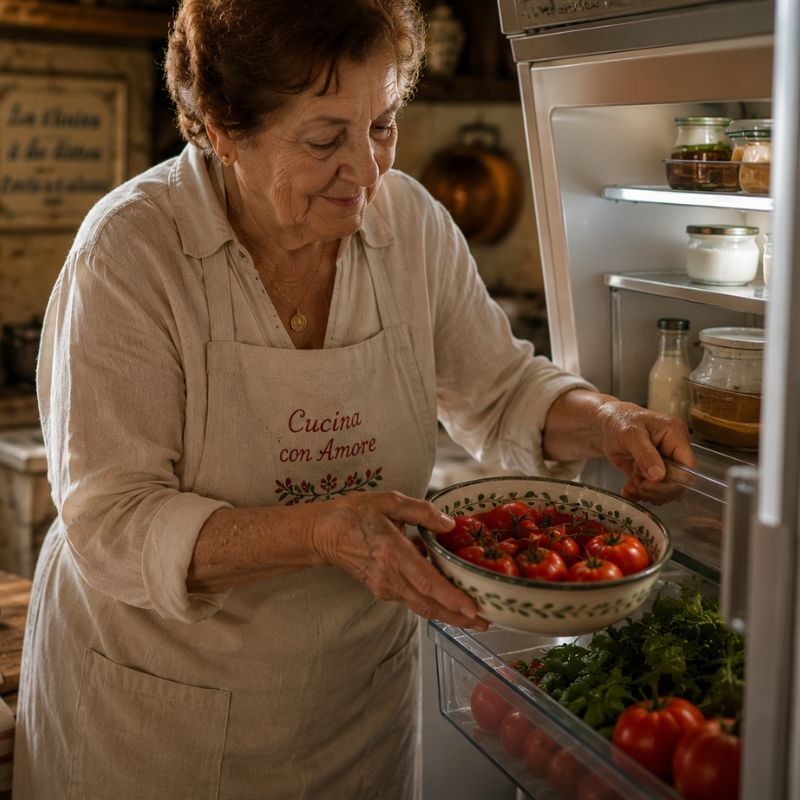
If your tomatoes are fully ripe and you know you won't eat them for several days, refrigeration can help prevent spoilage and reduce food waste.
The important detail is what happens next. Whenever possible, remove refrigerated tomatoes about thirty minutes before serving. Allowing them to return to room temperature helps recover some of their natural aroma and improves both texture and flavor.
So the Italian approach isn't about following rigid rules. It's about knowing when refrigeration helps and when it compromises taste.
A Thought to Take to the Table
Great cooking isn't always about learning new techniques. Often, it's about seeing familiar ingredients differently. The next time you bring home beautiful ripe tomatoes, let them rest on the counter, taste them at room temperature, and discover how a simple change in habit can reveal an entirely different flavor.
Frequently Asked Questions (FAQ)
-
Should ripe tomatoes be refrigerated?
If they're still ripening, no. Once fully ripe, refrigeration can help preserve them for a short time, but bring them back to room temperature before serving.
- Does refrigeration really affect tomato flavor?
Yes. Cold temperatures reduce many of the aromatic compounds responsible for a tomato's characteristic taste.
- Why do Italians often leave tomatoes on the counter?
Because preserving flavor is often considered more important than extending shelf life, especially for tomatoes that will be eaten fresh.
- What is passata?
Passata is a smooth tomato purée made by crushing and straining ripe tomatoes. It serves as the foundation for countless traditional Italian sauces.
- What makes Piennolo tomatoes special?
Grown on the volcanic slopes of Mount Vesuvius, they are naturally sweet, balanced, and have been prized in southern Italy for centuries.