

Life moves quickly.
Meals are squeezed between meetings, eaten in front of a screen, or treated as another task to complete before moving on to the next obligation. Convenience often takes priority over enjoyment, and many of us rarely stop to think about the ingredients on our plates or the people sitting beside us.
Italy has long embraced a different rhythm.
Across the country, food is more than nourishment. It is an opportunity to pause, gather around the table, and enjoy the simple pleasure of eating well. Whether it's a leisurely Sunday lunch with family or a quiet weekday dinner, the meal itself is considered an important part of the day rather than an interruption to it.
Perhaps that is what Italians have understood for generations—and what many of us have gradually forgotten.
Why Italian Food Culture Begins with Simplicity
One of the defining characteristics of Italian cuisine is its confidence in simplicity.
Many of Italy's most beloved dishes rely on only a handful of ingredients, yet they remain unforgettable because every ingredient is chosen with care. Instead of hiding flavors beneath rich sauces or elaborate preparations, Italian cooking allows each component to speak for itself.
This philosophy explains why authentic Italian food continues to inspire cooks around the world. A perfectly ripe tomato, exceptional olive oil, artisan pasta, and fresh herbs often accomplish more than a long list of ingredients ever could.
Good cooking begins with good choices.
Crafted in Italy using traditional methods, the demonstrates how a well-made ingredient can elevate even the most straightforward recipe.
Great Italian Ingredients Make Everyday Meals Extraordinary
Italian cooking reminds us that extraordinary meals don't have to be reserved for special occasions.
Even the simplest dinner can become memorable when it begins with exceptional ingredients.
A beautifully crafted pasta transforms an ordinary tomato sauce into something comforting and elegant. Fresh basil brightens an entire dish. A drizzle of olive oil adds aroma, richness, and balance.
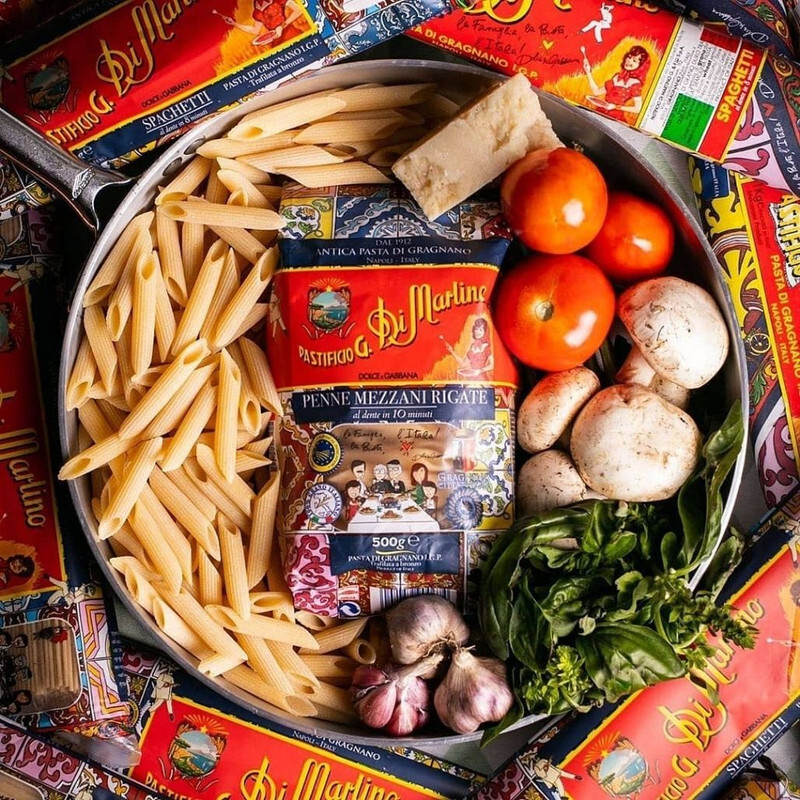 Our penne mezzani, produced in Italy using traditional methods, reflects this philosophy perfectly. Its texture is designed to hold sauces beautifully while allowing simple recipes to shine, proving that authentic craftsmanship can elevate even the most familiar meal.
Olive Oil Is the Heart of the Italian Table
Few ingredients define Italian cuisine more than extra virgin olive oil.
Throughout Italy, olive oil is valued not only for cooking but also for finishing dishes, dressing vegetables, and bringing together the flavors of a meal. Rather than masking ingredients, it enhances them, allowing every bite to taste fresher and more complete.

Our Il Boschetto Basil Infused Extra Virgin Olive Oil celebrates that tradition. The delicate aroma of basil makes it a natural companion for pasta, tomatoes, mozzarella, grilled vegetables, and salads, bringing a taste of the Italian countryside to everyday cooking.
It is a reminder that one exceptional ingredient can transform an entire meal.
Italian Traditions Are Preserved One Recipe at a Time
Italian cuisine has never chased trends.
Its greatest recipes have endured because they continue to bring families together, generation after generation.
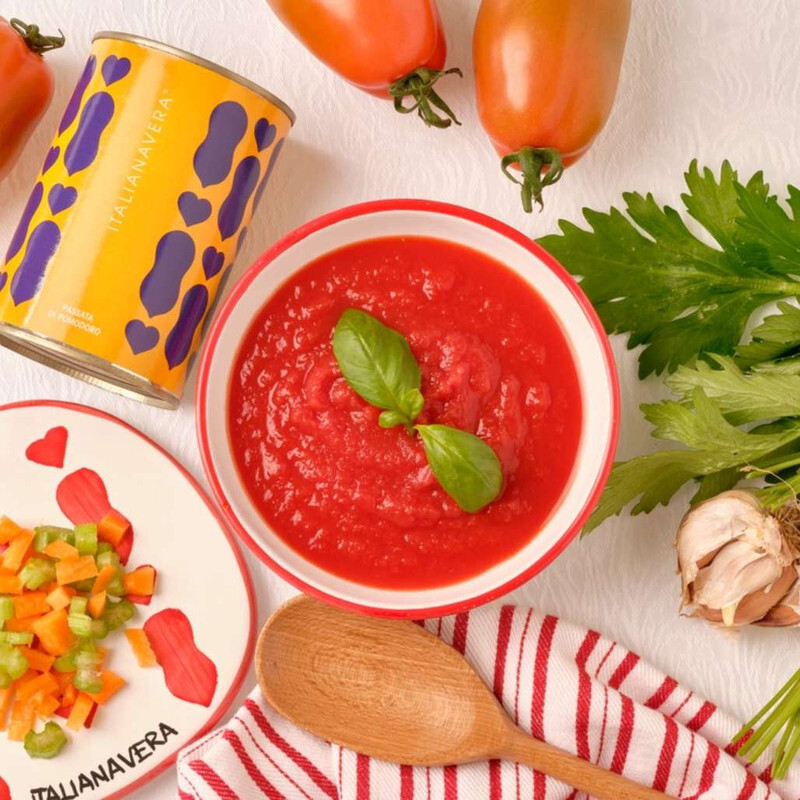
Many classic dishes begin with a simple tomato passata prepared from carefully selected tomatoes at the peak of ripeness. Rather than relying on shortcuts, traditional recipes respect the natural sweetness and acidity of the fruit, creating the rich foundation found in countless Italian sauces.
Our Italian passata reflects this timeless approach, offering the authentic tomato flavor that has remained at the heart of Italian home cooking for generations.
Sometimes preserving tradition simply means refusing to improve what already works beautifully.
The Italian Table Is About People First
Visitors often remember Italian food for its remarkable flavors.
What they remember even more is the atmosphere surrounding the meal.
The table is where conversations unfold naturally, celebrations take place, and everyday moments become lasting memories. Meals are rarely rushed because the experience extends beyond what is served on the plate.
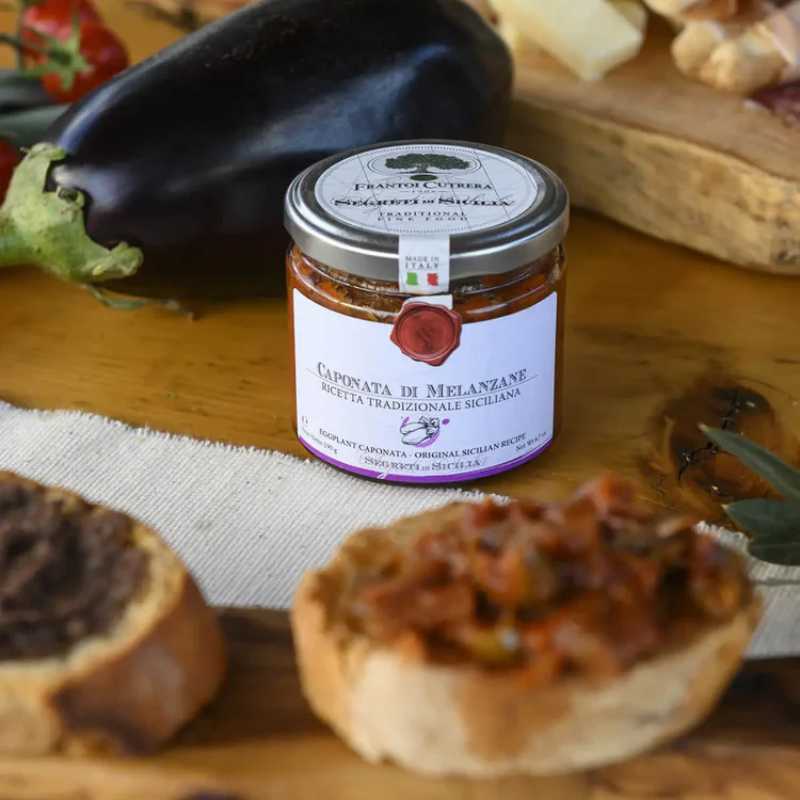
That spirit of sharing is beautifully reflected in Frantoi Cutrera Eggplant Caponata, a classic Sicilian specialty that combines vegetables, olive oil, and Mediterranean flavors in a dish designed for everyone at the table to enjoy together.
Italian hospitality reminds us that the finest meals are measured not only by their ingredients but also by the people who share them.
Italian Craftsmanship Leaves Room for Extraordinary Moments
Simplicity has never meant settling for ordinary.
Italian food culture also celebrates exceptional craftsmanship and ingredients reserved for life's most memorable occasions.
Whether it's artisan truffle specialties, beautifully aged cheeses, or remarkable caviar, these products are appreciated not because they are extravagant but because they represent generations of dedication to quality.
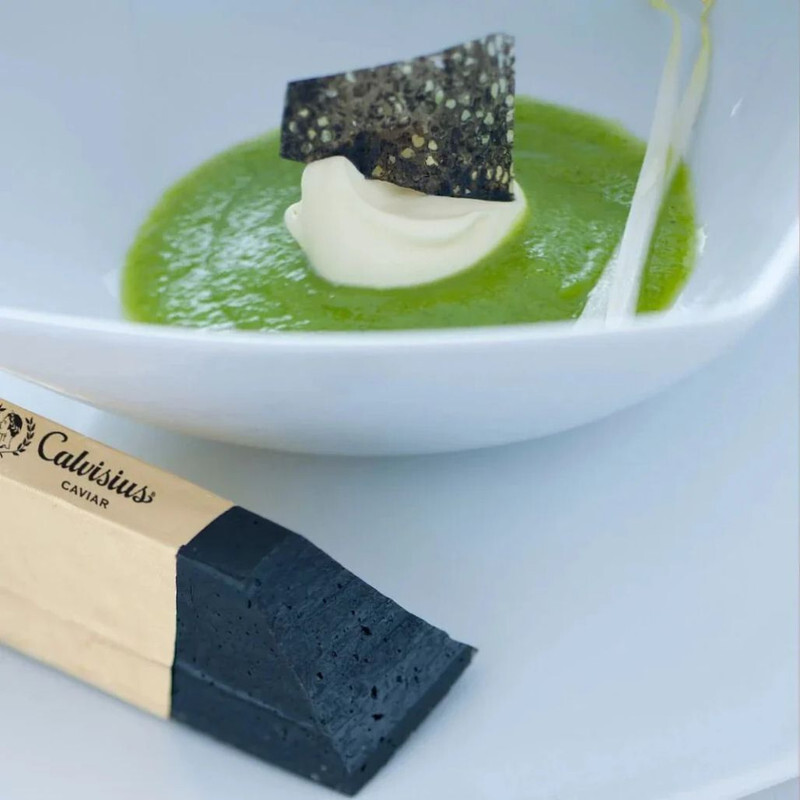
Our Calvisius Lingotto Caviar, inspired by the shape of a gold ingot, reflects this philosophy. Every tin demonstrates that true luxury is found not in excess but in craftsmanship, patience, and remarkable flavor.
The lesson is simple.
Extraordinary ingredients deserve extraordinary moments.
Curiosity Is One of Italy's Greatest Ingredients
Perhaps the greatest gift of Italian food culture is its invitation to keep discovering.
Every region has its own traditions, ingredients, and specialties. A single trip across Italy reveals countless variations in pasta, cheeses, olive oils, sauces, breads, and desserts, each reflecting local history and craftsmanship.
That spirit of exploration continues with products such as L'Aperitivo al Tartufo, whose rich truffle flavor introduces a new dimension to appetizers, sandwiches, pasta, and entertaining.
Italian cuisine reminds us that curiosity belongs at the table just as much as good food.

Rediscovering the Italian Way
Perhaps what Italians have always understood is that food was never meant to be rushed.
Choosing ingredients with care.
Cooking with intention.
Sharing generously.
Lingering after dinner.
Allowing conversation to become part of the meal.
These simple habits have shaped Italian culture for centuries, and they remain just as meaningful today.
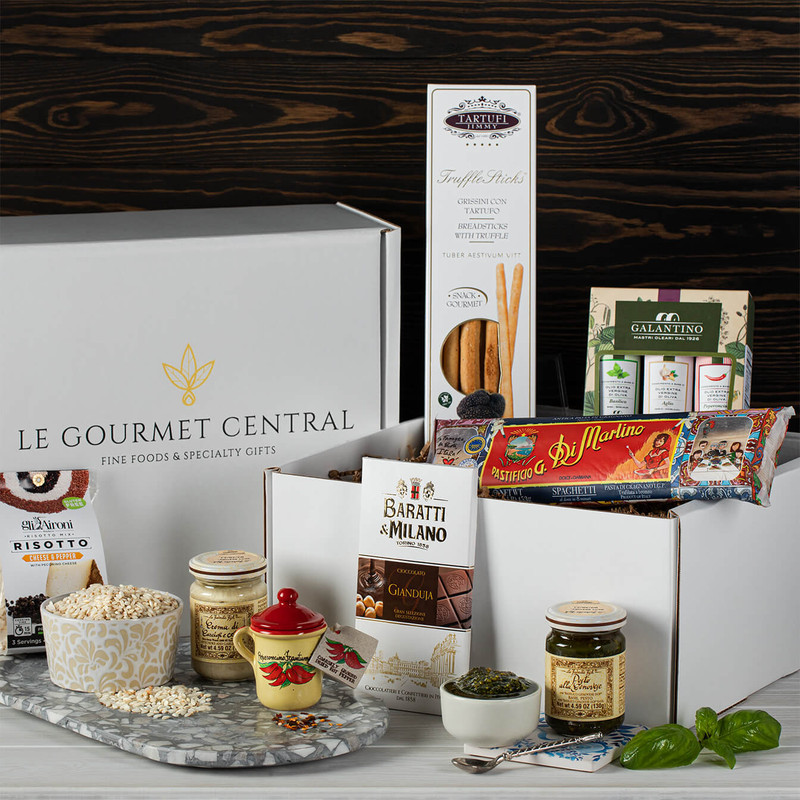
For those who wish to experience these traditions at home, our Taste of Italy Collection brings together carefully selected specialties that celebrate the craftsmanship, flavors, and enduring pleasures of the Italian table.
Frequently Asked Questions (FAQ)
-
What makes Italian food so memorable?
Italian food is often celebrated for its emphasis on quality ingredients, regional traditions, and a deep appreciation for flavor. Rather than relying on complexity, many Italian dishes allow a few carefully chosen ingredients to shine.
- Why is food such an important part of Italian culture?
In Italy, meals are often viewed as opportunities to connect with family and friends, celebrate traditions, and enjoy everyday life. Food plays a central role in social gatherings and cultural identity.
- What ingredients are commonly used in Italian cooking?
Italian cuisine frequently features pasta, tomatoes, olive oil, vegetables, cheeses, cured meats, seafood, and a variety of regional specialties. The focus is often on freshness, quality, and seasonality.
- What is the role of olive oil in Italian cuisine?
Extra virgin olive oil is one of the cornerstones of Italian cooking. It is used not only for preparing dishes but also for finishing them, adding flavor, aroma, and character.
-
Why are regional traditions important in Italian food?
Italy's culinary heritage varies greatly from one region to another. Local ingredients, recipes, and techniques have been passed down through generations, creating a rich diversity of flavors and traditions.
-
What are some Italian specialties worth trying?
For those interested in exploring Italian flavors, specialties such as artisanal pasta, tomato passata, truffle sauces, olive oils, caponata, and caviar offer a glimpse into the craftsmanship and traditions that define Italian food culture.