
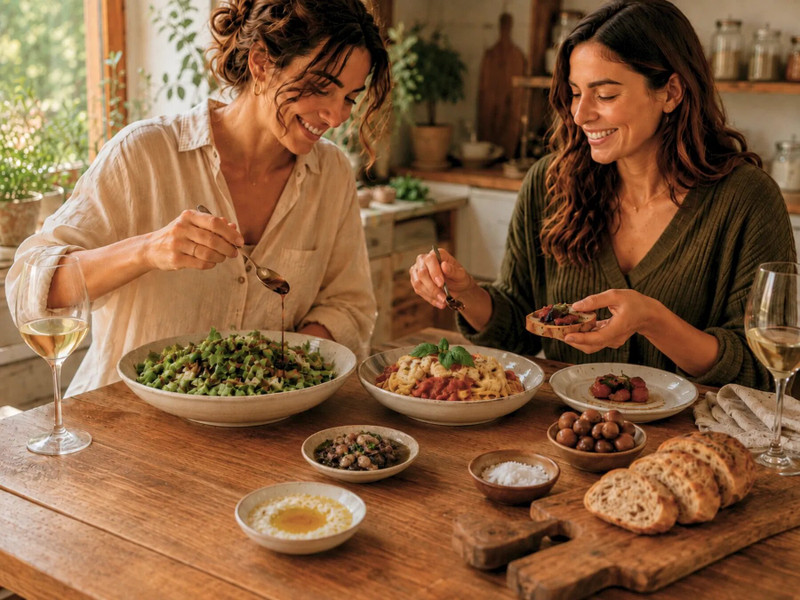
A well-stocked European pantry can look surprisingly modest, but this simplicity offers a powerful lesson: when a meal depends on only a handful of ingredients, quality becomes unmistakable.
Everyday staples deserve the same discernment as those reserved for special occasions, as a single premium ingredient can completely transform a dish. For instance, the specific character of a mustard changes a vinaigrette, the delicate texture of a balsamic vinegar and a touch of fleur de sel elevates a fresh tomato, and a beautifully preserved seafood can anchor an aperitif without a recipe. Ultimately, our European pantry essentials proves that origin, tradition, and craftsmanship can elevate ordinary ingredients into elements that define an entire meal.
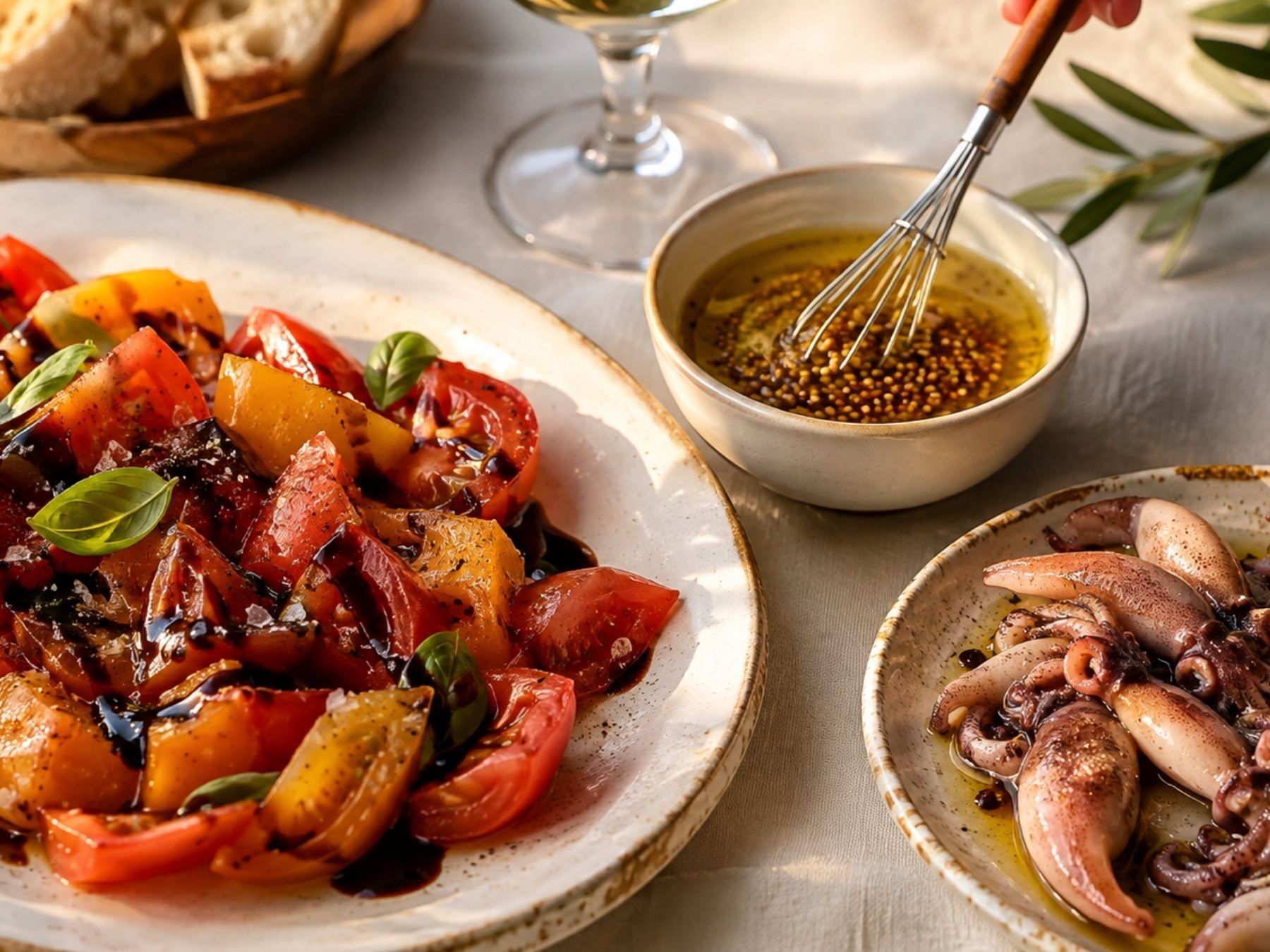
Nut Oil: A Finishing Ingredient, Not Just Another Cooking Oil
Olive oil may dominate conversations about European cooking, but France offers another pantry tradition worth discovering: nut oils. Their appeal comes from concentrated aroma and flavor, which means they are often most interesting when used with restraint rather than disappearing into a complicated preparation.
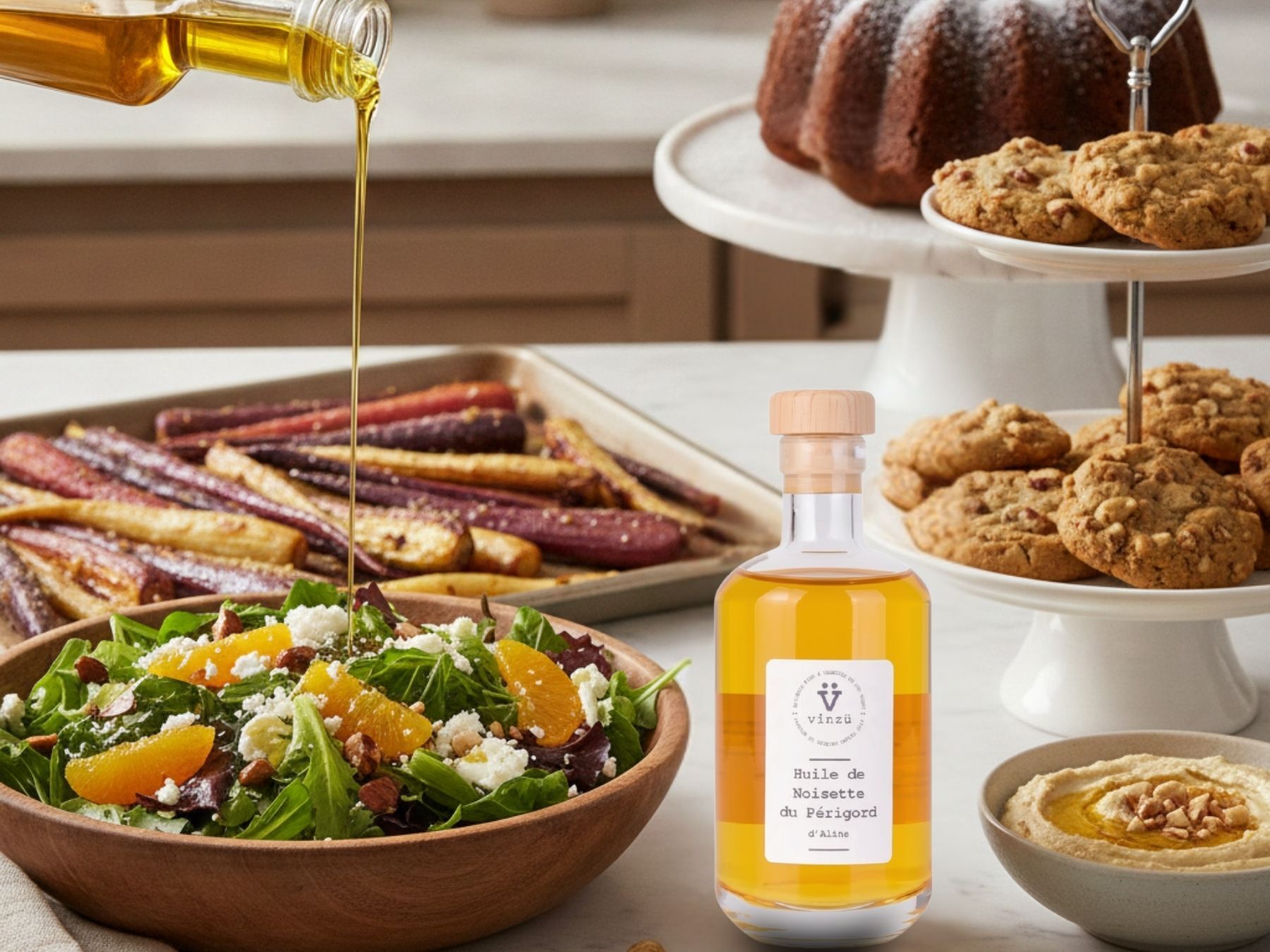
Vinzü Périgord Hazelnut Oil illustrates that philosophy beautifully. A small amount can bring the distinctive character of hazelnut to salads, roasted vegetables, cheese, or other simple preparations where the oil remains perceptible. Rather than treating oil merely as the substance in which food cooks, this approach treats it as an ingredient with a personality of its own.
For the home cook, the practical lesson is simple: keep at least one distinctive finishing oil in the pantry and use it where you will actually taste it. A carefully chosen European finishing oil can bring remarkable depth and character to even the simplest preparations.
French Mustard Proves That Condiments Deserve Attention
Mustard is exactly the kind of pantry staple people tend to buy without thinking. In France, however, centuries of mustard-making provide a compelling argument for paying closer attention.
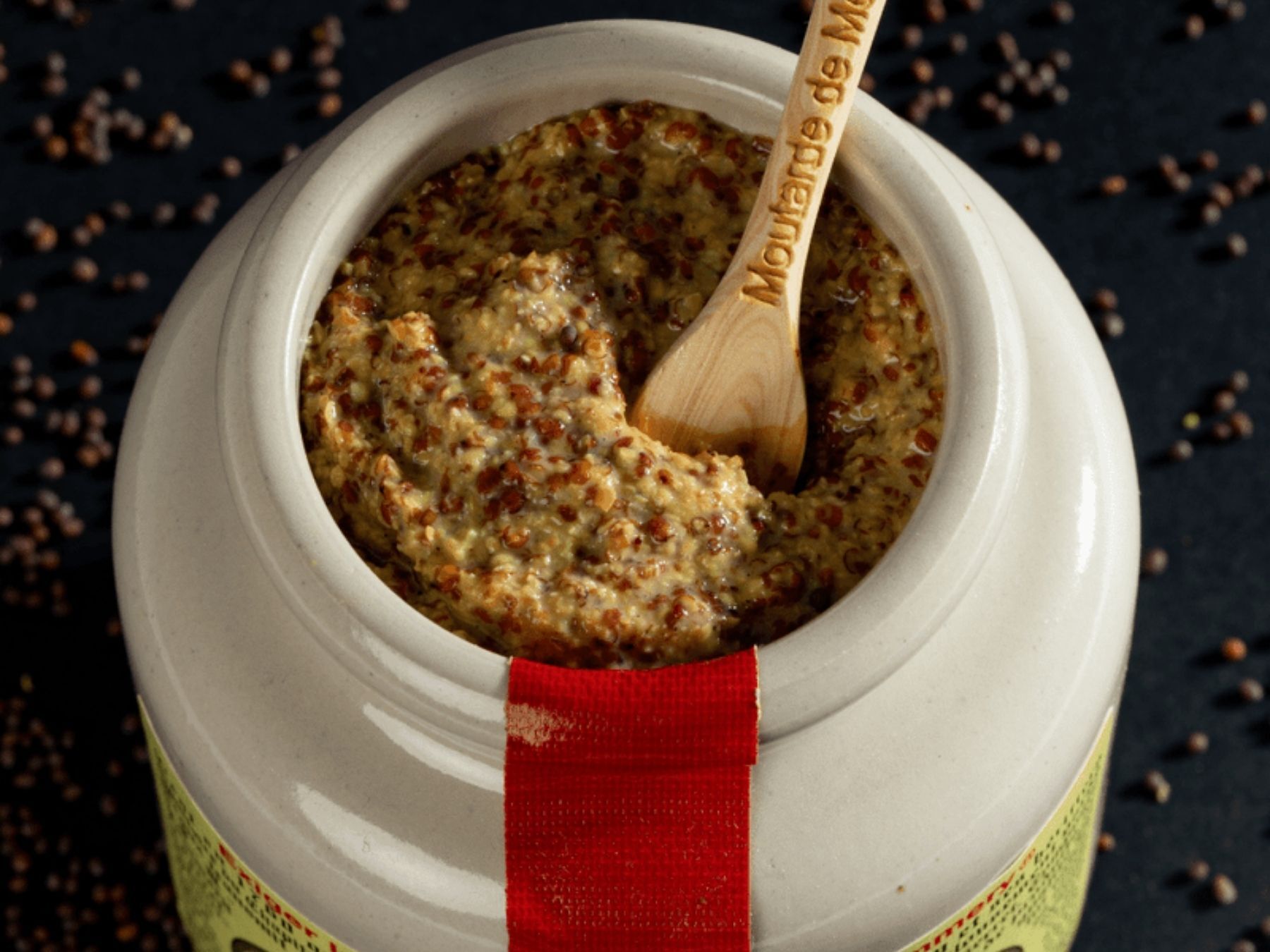
Whole Grain Mustard Stone Jar by Pommery Meaux traces its origins to 1632, and the producer describes an even earlier tradition associated with the Canons of Meaux Cathedral. It continues to be made near Meaux from selected mustard seeds, vinegar, salt, and spices, while its familiar stoneware jar has become part of the product's identity.
The difference becomes evident when mustard is allowed to play a genuine role in the meal. Whole-grain French mustard can give texture and acidity to a vinaigrette, accompany roast poultry or charcuterie, or transform something as uncomplicated as potatoes. This is precisely the European pantry principle at work: when a condiment contributes significant flavor, choosing it with discernment makes a noticeable difference.
Fleur de Sel Shows That Even Salt Is Not Simply Salt
Few European pantry ingredients appear more elementary than salt, which is precisely what makes Sal de Ibiza Fleur de Sel such an interesting example.
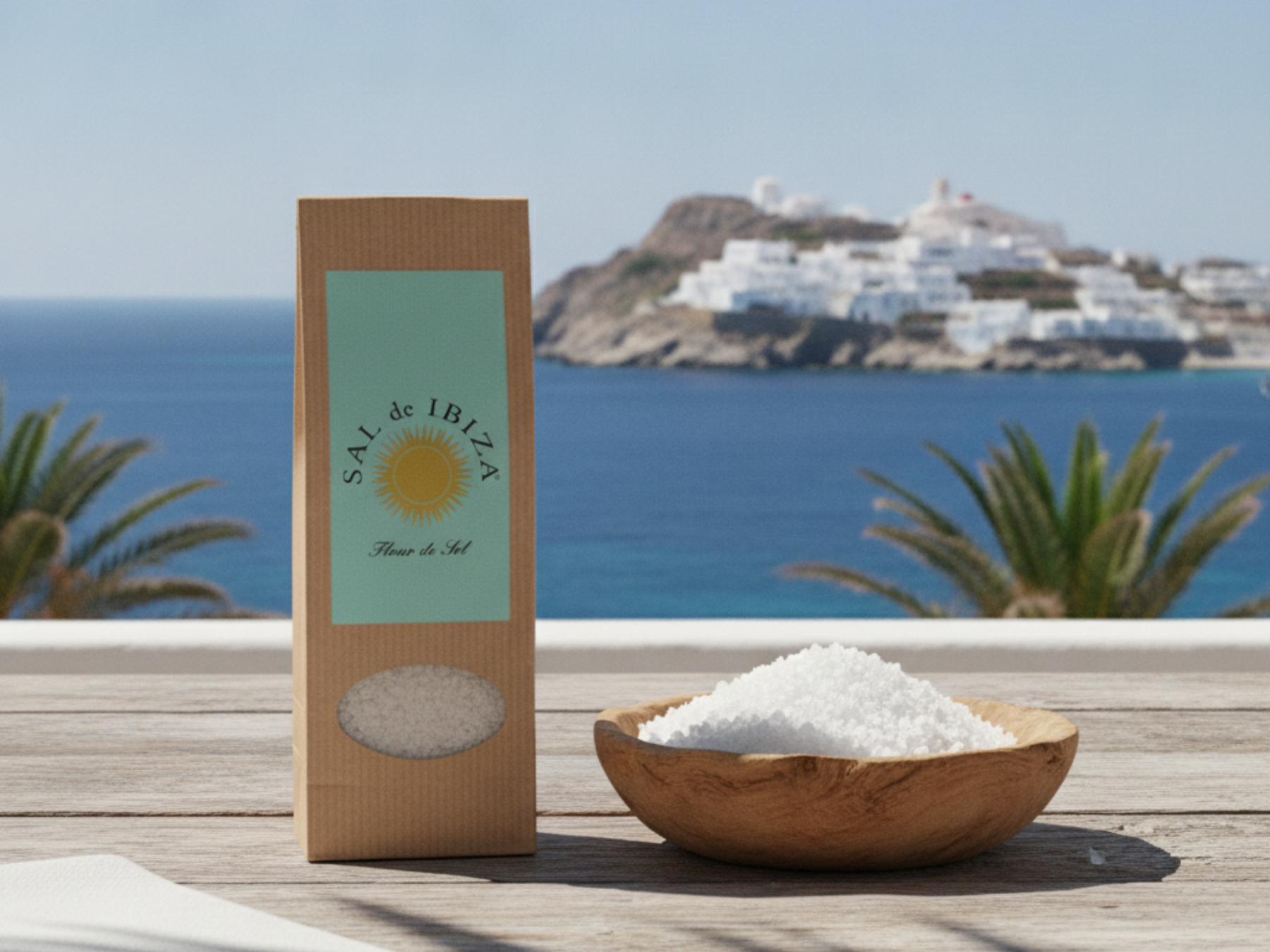
In Ibiza's salt pans, fleur de sel forms as delicate crystals at the surface of the evaporation ponds and is harvested by hand. Sal de Ibiza describes its fleur de sel as natural sea salt without additives or anti-caking agents, intended particularly for final seasoning. Its residual moisture and delicate crystalline structure distinguish it from ordinary table salt.
This is a finishing salt whose character becomes most apparent when used at the end of a preparation, where its texture and salinity remain perceptible: over tomatoes, grilled vegetables, fish, eggs, or good bread with olive oil.
The larger lesson is one of purpose. A thoughtfully assembled gourmet pantry recognizes that ingredients with different characteristics have different roles, allowing something as familiar as salt to contribute texture and character rather than simply seasoning.
In Italy, Convenience Does Not Have to Mean Compromise
A jarred pasta sauce might seem an unlikely candidate for a discussion about discerning pantry choices, yet it reveals something important about contemporary Italian cooking: convenience and respect for culinary tradition do not have to be opposites.
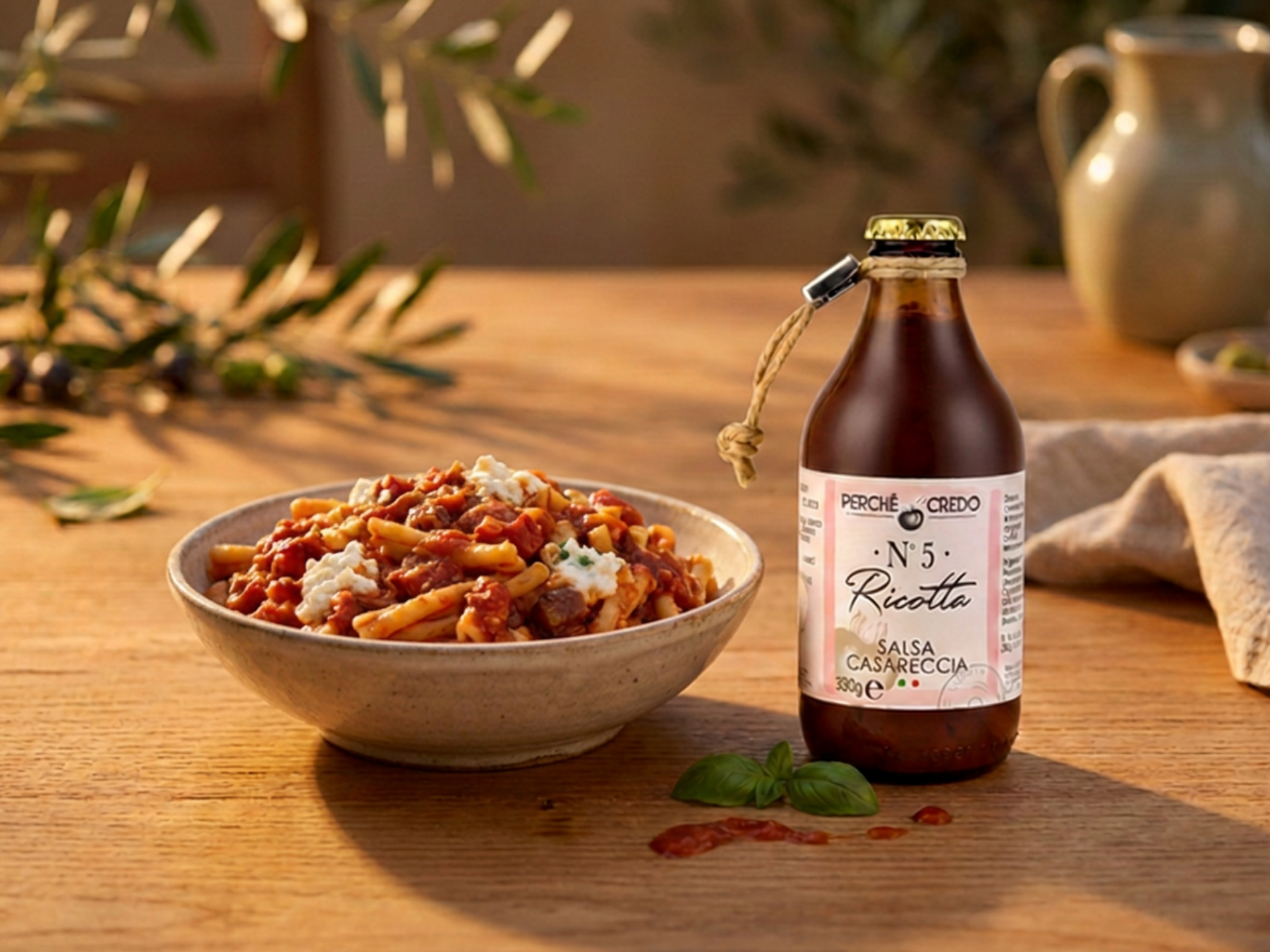
Perchè ci Credo Homemade Ricotta Tomato Pasta Sauce brings together the richness of tomatoes with the distinctive character of ricotta forte, reflecting the Southern Italian tradition of allowing a few expressive ingredients to carry a dish. Served with a favorite pasta and finished simply with fresh basil, extra virgin olive oil, or grated cheese, it demonstrates how a thoughtfully made pantry staple can turn an uncomplicated meal into something memorable.
That simplicity is precisely the point. For busy evenings, this may be one of the most useful Italian pantry habits to borrow: choose prepared foods that reduce preparation while preserving the pleasure of eating well.
Spanish Conservas Challenge Our Idea of “Fresh Is Best”
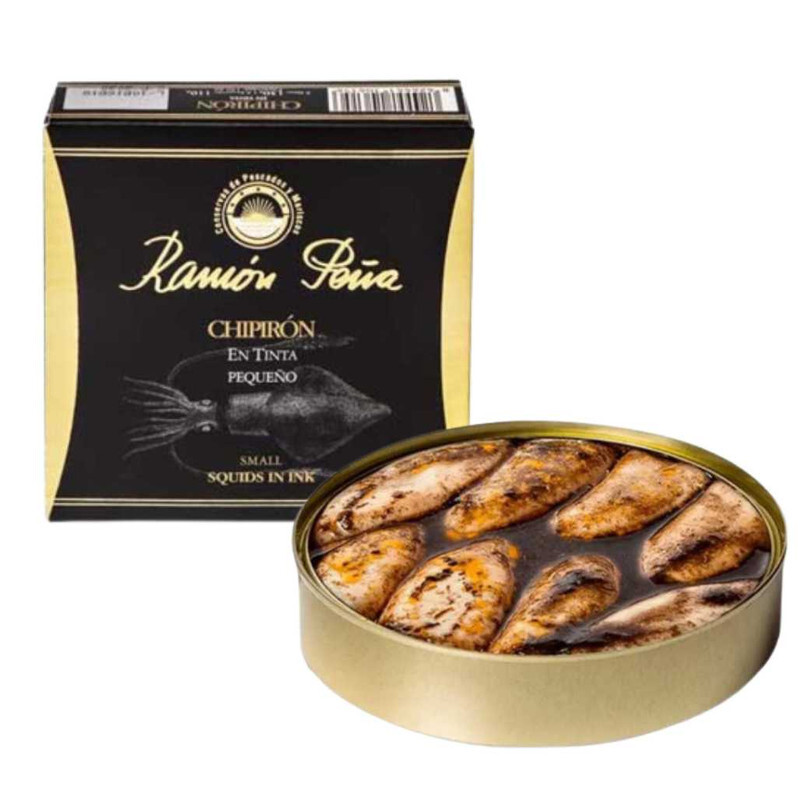
Perhaps the most surprising European pantry lesson comes from Spain, where opening a tin can represent culinary anticipation rather than compromise.
High-quality Spanish conservas challenge the assumption that preservation automatically makes food less desirable. The purpose is not simply to make seafood last longer; careful preparation, sauces, and packing can create a specialty intended to be appreciated on its own terms.
Ramón Peña Squid in Ink Sauce belongs naturally within this Spanish tradition. Instead of treating preserved seafood as an emergency pantry substitute, it can be served deliberately with good bread as part of an aperitif, tapas selection, or simple meal.
For anyone accustomed to thinking of canned seafood primarily as convenience food, Spanish conservas offer an entirely different perspective. In this culinary tradition, preservation and craftsmanship can exist comfortably together, turning a pantry ingredient into something worthy of anticipation.
Balsamic Vinegar Is More Than Acidity
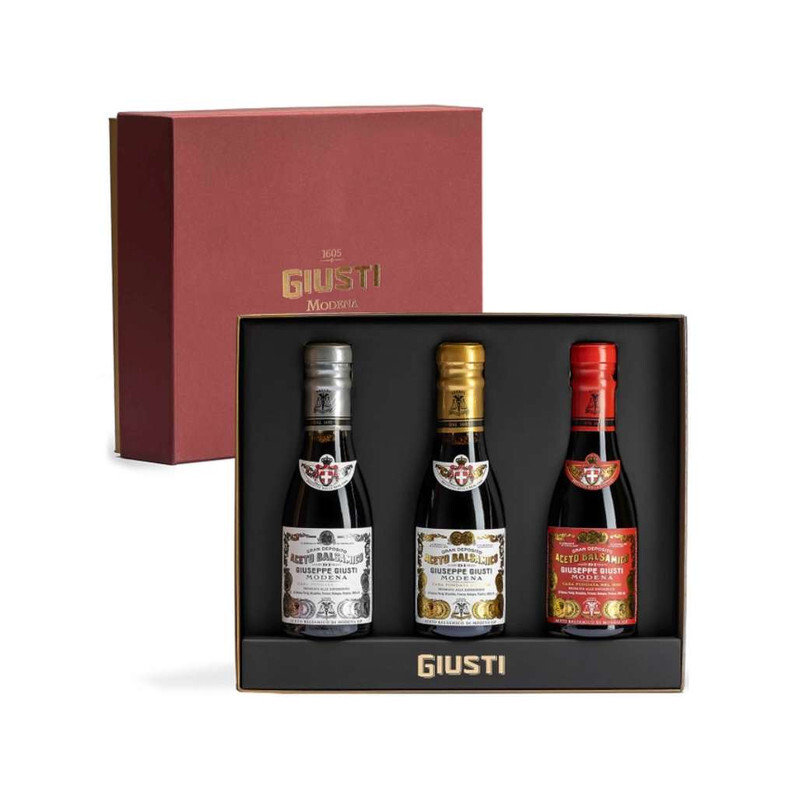
In an European pantry, balsamic vinegar can contribute far more than acidity. Its balance of sweetness, fruit, and complexity allows it to move easily from salads and vegetables to meats, cheeses, desserts, and even cocktails. This versatility is one reason balsamic vinegar has become one of Europe's most recognizable pantry traditions.
The Giusti Italian Balsamic Vinegar Trio Gift Set explores that tradition through three distinctive interpretations: black truffle, fig, and raspberry. The truffle balsamic brings earthy depth to pasta, eggs, and grilled meats; fig complements cheese and desserts; while raspberry introduces a brighter fruit character to salads, marinades, and roasted vegetables.
More importantly for our story, the trio demonstrates why vinegar deserves the same discernment as oil, salt, or mustard. A thoughtfully chosen balsamic is not simply something added for sharpness; it becomes a finishing ingredient capable of changing the character of a dish.
A Thought to Take to the Table
The ingredients we use most often are sometimes the ones we question least. European food traditions remind us that craftsmanship can matter just as much in salt, mustard, oil, sauce, vinegar, and preserved seafood as it does in the centerpiece of a meal. Choosing pantry essentials with greater discernment can make everyday cooking simpler, more distinctive, and considerably more enjoyable.
Frequently Asked Questions (FAQ)
-
What are essential European pantry ingredients?
A versatile European pantry often includes quality finishing oils, sea salt, mustard, tomato-based sauces, preserved seafood, artisan cheeses, pasta, vinegars, and other regional specialties. The most useful selection depends on how you cook, making quality, provenance, and versatility more important than simply having a large assortment.
- What should I look for when choosing gourmet pantry ingredients?
Consider provenance, ingredients, production methods, regional traditions, craftsmanship, and how you intend to use the product. An exceptional gourmet pantry ingredient becomes particularly valuable when its distinctive qualities remain noticeable in simple dishes.
- What is the difference between fleur de sel and ordinary salt?
Ordinary table salt is typically fine-grained, dry, and used throughout cooking primarily to season food. Fleur de sel is a delicate finishing salt harvested from crystals that form on the surface of salt ponds. Its larger, slightly moist crystals provide a more noticeable texture and small bursts of salinity when added just before serving. Rather than disappearing into a dish during cooking, fleur de sel is used at the end so its texture and character remain part of the eating experience.
- Are Spanish conservas simply canned food?
Although conservas are preserved foods, high-quality Spanish seafood conservas belong to a culinary tradition in which preservation, preparation, and presentation are treated with particular care. They can be served deliberately as part of tapas, an aperitif, or a simple meal rather than treated merely as substitutes for fresh seafood.
- How can I build a European gourmet pantry at home?
Begin with ingredients you genuinely enjoy using and select them with attention to provenance and craftsmanship. A distinctive finishing oil, traditional mustard, finishing salt, versatile Italian sauce, artisan cheese, and Spanish conserva can provide a strong foundation. From there, the pantry can evolve as you discover the European regions, producers, and culinary traditions that most appeal to you.