


We live in a world that often encourages us to move quickly. Meals are squeezed between meetings, eaten in front of screens, or treated as little more than fuel for the day ahead.
Yet in Italy, food is often approached differently. Meals remain an opportunity to slow down, gather, and appreciate the pleasures of good ingredients, good company, and time well spent.
Perhaps this is what Italians have always known—and what many of us have forgotten.
Great Food Doesn't Need to Be Complicated
One of the most enduring lessons of Italian cuisine is that remarkable food often begins with remarkably few ingredients.
A good meal does not necessarily require elaborate techniques or long ingredient lists. More often, it depends on selecting a few exceptional ingredients and allowing them to shine.
This philosophy is reflected in countless Italian dishes, where quality takes precedence over complexity.
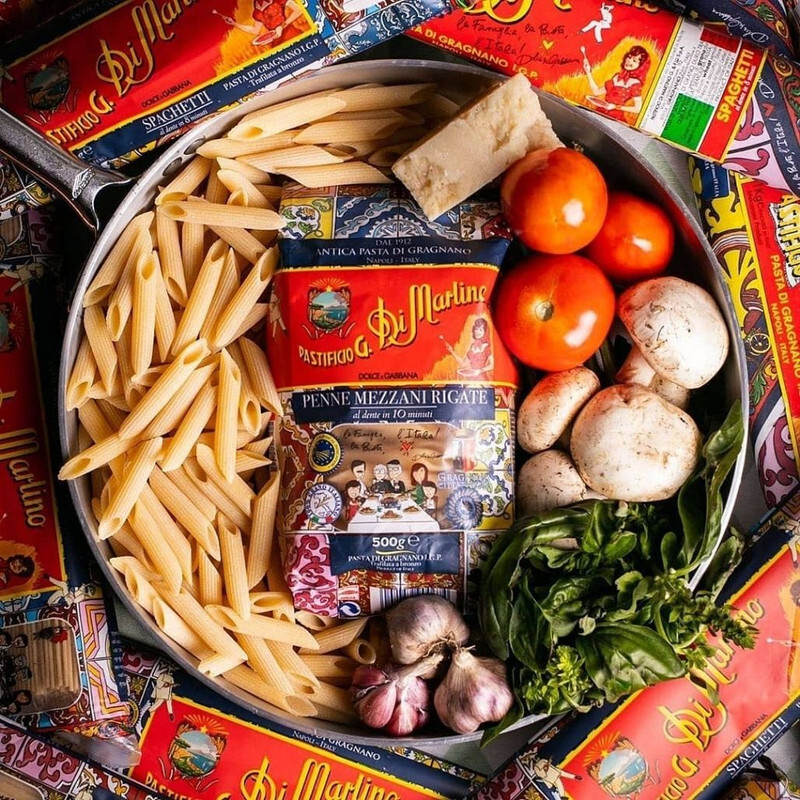
Crafted in Italy using traditional methods, the penne mezzani demonstrates how a well-made ingredient can elevate even the most straightforward recipe.
A Few Good Ingredients Can Transform a Meal
Italian cooking places great value on ingredients that bring character and depth without overwhelming a dish.
A drizzle of fragrant olive oil, for example, can completely transform the experience of a meal.
Rather than masking flavors, Italians often seek to enhance them, allowing each ingredient to contribute its own unique qualities.

Infused with the fresh aroma of basil, the Boschetto extra virgin olive oil adds a distinctive touch to pasta, salads, vegetables, and countless everyday dishes.
Tradition Is Worth Preserving
Many of Italy's most beloved foods have endured not because they are fashionable, but because they are deeply rooted in tradition.
Recipes passed from one generation to the next remind us that some things do not need reinvention. They simply need to be done well.

Made from carefully selected Italian tomatoes, this passata captures the authentic flavor that forms the foundation of countless traditional dishes.
The Table Is About More Than Food
In Italy, the table serves a purpose beyond nourishment. It is where conversations unfold, families gather, friendships are strengthened, and memories are made.
Whether it is a festive celebration or an ordinary weeknight dinner, sharing food remains one of life's simplest pleasures.
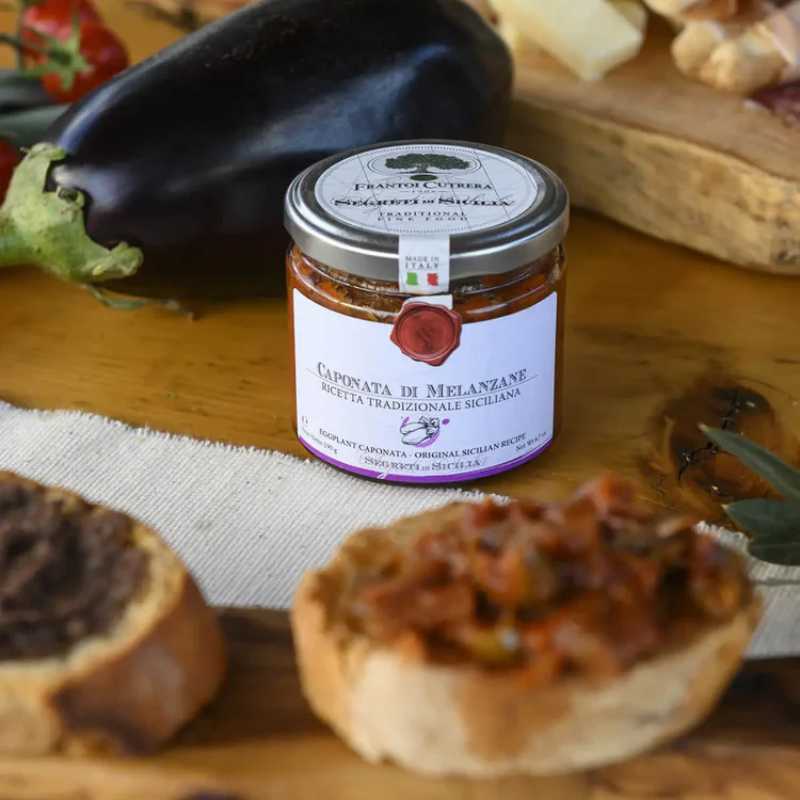
This classic Sicilian specialty brings together vegetables, olive oil, and Mediterranean flavors in a dish designed to be shared and enjoyed together.
There Is Still Room for Something Extraordinary
While Italians appreciate simplicity, they also understand the value of craftsmanship and exceptional ingredients.
The lesson is not that every meal must be extravagant. Rather, it is that certain moments deserve something special, and that true luxury often lies in quality rather than excess.
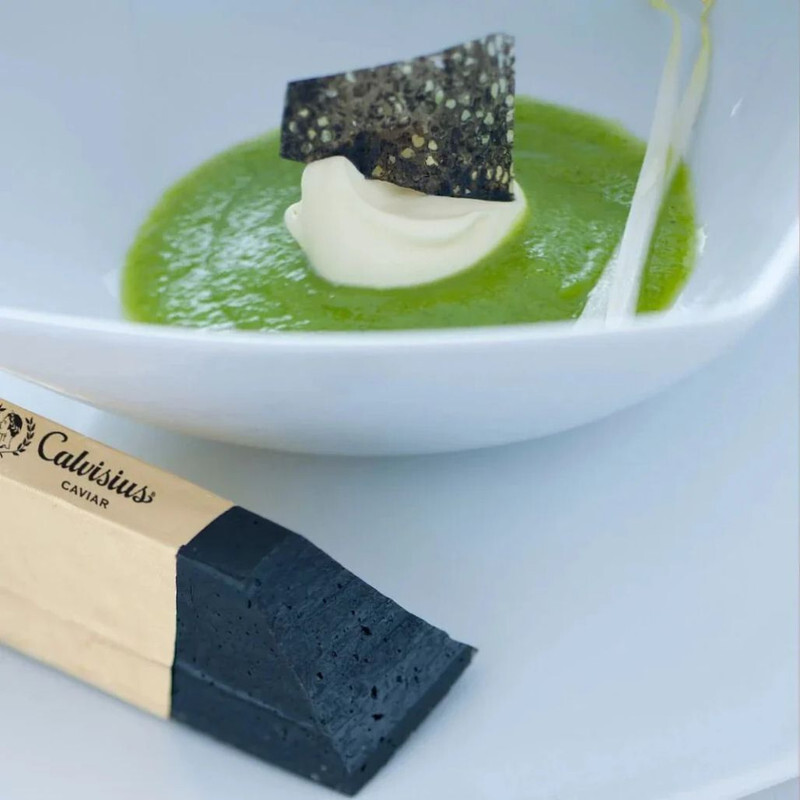
Inspired by the shape of a gold ingot, this exceptional caviar reflects a commitment to craftsmanship, refinement, and the enjoyment of extraordinary flavors.
Flavor Rewards Curiosity
Italian food culture encourages exploration. Regional specialties, artisanal products, and distinctive ingredients invite us to discover new flavors while remaining connected to tradition.
Sometimes, a single ingredient can open the door to an entirely new culinary experience.

What Many of Us Have Forgotten
Perhaps what Italians understand is that good food is about more than what appears on the plate.
It is about slowing down. Choosing carefully. Sharing generously. Appreciating craftsmanship. Taking pleasure in simple rituals. Making time for the people around us—and occasionally treating ourselves as well.
These are lessons that remain as relevant today as they have ever been.
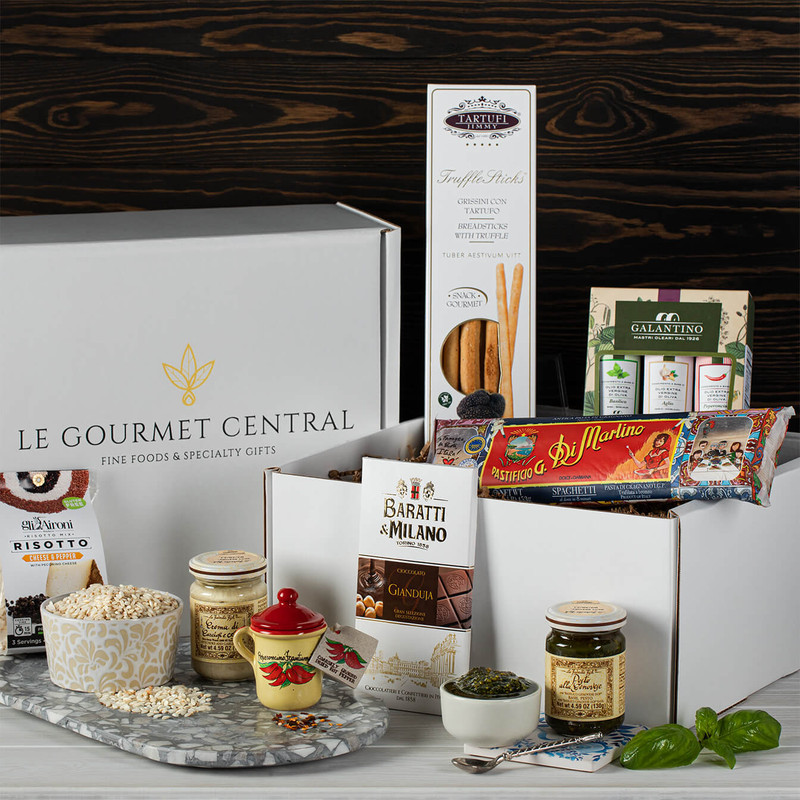
For those who wish to experience a variety of these traditions in a single collection, our Taste of Italy Colection brings together a carefully curated assortment of Italian specialties that celebrate the flavors, craftsmanship, and enduring appeal of the Italian table.
Frequently Asked Questions (FAQ)
-
What makes Italian food so memorable?
Italian food is often celebrated for its emphasis on quality ingredients, regional traditions, and a deep appreciation for flavor. Rather than relying on complexity, many Italian dishes allow a few carefully chosen ingredients to shine.
- Why is food such an important part of Italian culture?
In Italy, meals are often viewed as opportunities to connect with family and friends, celebrate traditions, and enjoy everyday life. Food plays a central role in social gatherings and cultural identity.
- What ingredients are commonly used in Italian cooking?
Italian cuisine frequently features pasta, tomatoes, olive oil, vegetables, cheeses, cured meats, seafood, and a variety of regional specialties. The focus is often on freshness, quality, and seasonality.
- What is the role of olive oil in Italian cuisine?
Extra virgin olive oil is one of the cornerstones of Italian cooking. It is used not only for preparing dishes but also for finishing them, adding flavor, aroma, and character.
-
Why are regional traditions important in Italian food?
Italy's culinary heritage varies greatly from one region to another. Local ingredients, recipes, and techniques have been passed down through generations, creating a rich diversity of flavors and traditions.
-
What are some Italian specialties worth trying?
For those interested in exploring Italian flavors, specialties such as artisanal pasta, tomato passata, truffle sauces, olive oils, caponata, and caviar offer a glimpse into the craftsmanship and traditions that define Italian food culture.