

Most of us never think twice after bringing tomatoes home.
We unpack the groceries, open the refrigerator, and place them neatly beside the lettuce and cucumbers. It feels like the obvious thing to do—after all, refrigeration keeps food fresh.
In Italy, however, that simple habit often raises eyebrows.
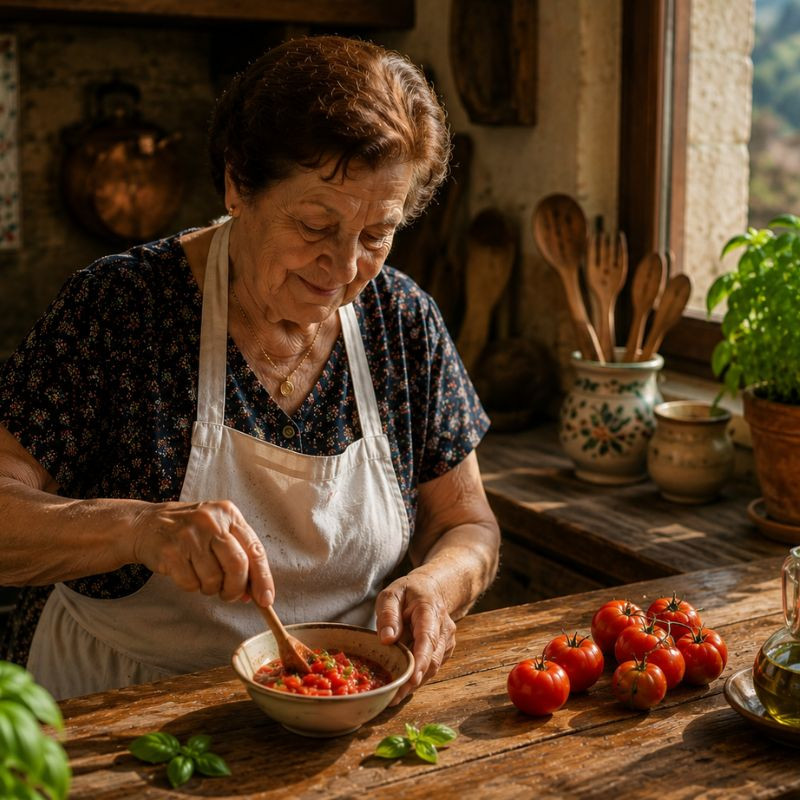
Ask an Italian grandmother where ripe tomatoes belong, and she'll likely point to a bowl sitting proudly on the kitchen counter, not the refrigerator. To her, refrigeration doesn't simply make tomatoes cold—it steals something far more valuable: their flavor.
It may seem like a small detail, but it reflects one of the most important principles of Italian cooking: great ingredients deserve to be treated with respect long before they reach the plate.
Tomatoes Are Meant to Be Tasted, Not Just Preserved
Italian cuisine is famous for its simplicity.
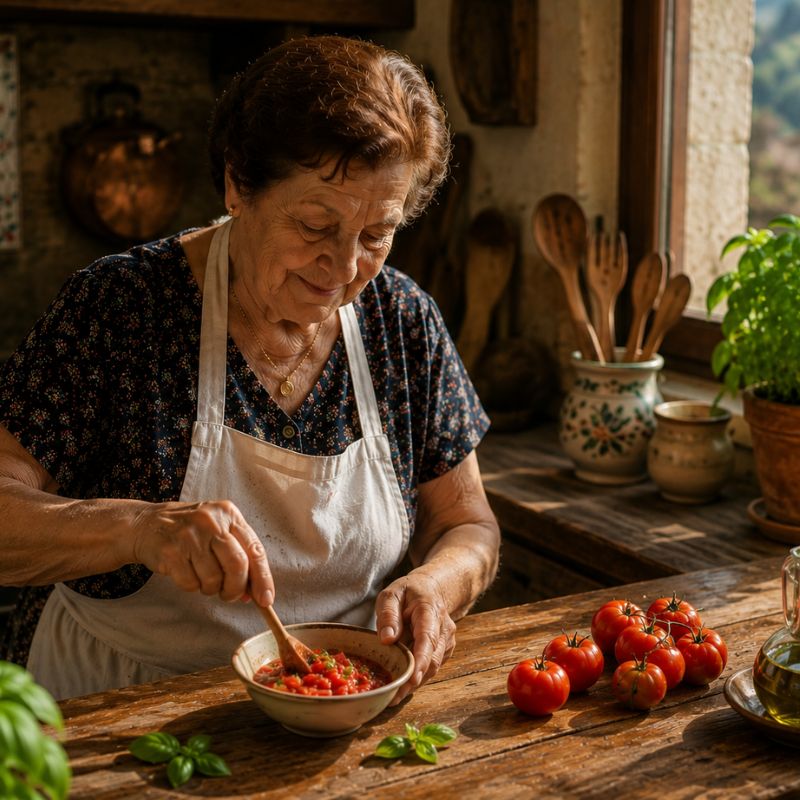
A Caprese salad contains only a handful of ingredients. A fresh tomato sauce may require little more than tomatoes, olive oil, basil, and salt. When recipes are this simple, every ingredient has nowhere to hide.
That's why Italians place so much importance on choosing tomatoes at their peak and preserving their natural flavor.
Research has shown that cold temperatures reduce the production of many of the aromatic compounds responsible for a tomato's characteristic taste and fragrance. The tomato may still look beautiful after refrigeration, but much of its vibrant aroma has quietly disappeared.
In other words, the refrigerator may preserve the tomato—but not necessarily its personality.
The Italian Philosophy: Let the Ingredient Speak
One of the greatest lessons Italian cooking teaches us is restraint. Rather than masking ingredients with heavy sauces or complicated seasonings, Italian cooks ask a simpler question:
How can this ingredient taste like the very best version of itself?
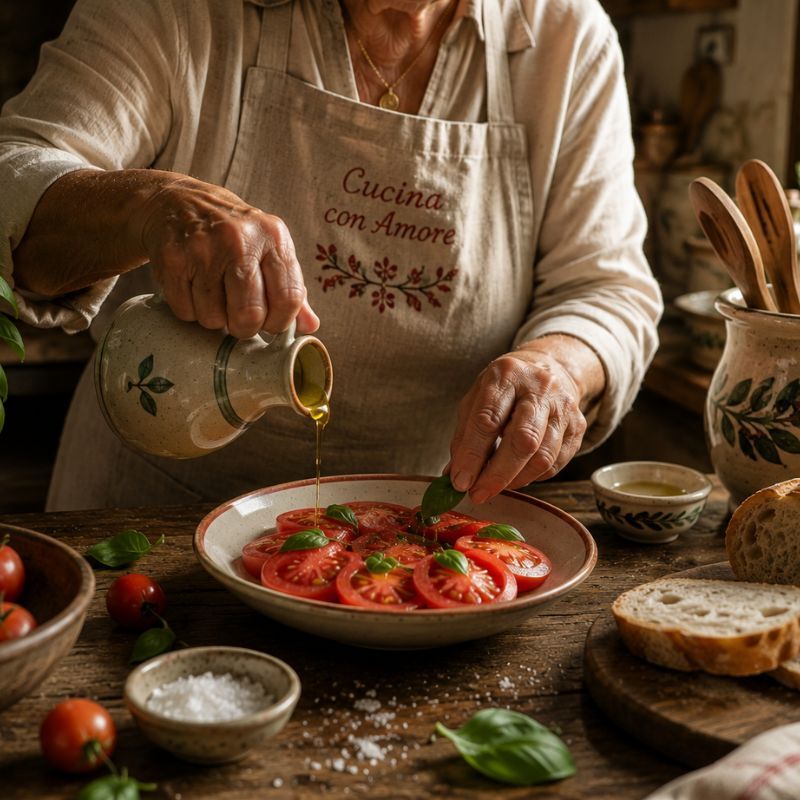
A perfectly ripe tomato often needs nothing more than excellent extra virgin olive oil, a pinch of sea salt, and perhaps a few basil leaves.
The objective is not to impress with complexity. It is to celebrate authenticity.
Some Tomatoes Are Worth Waiting For
Not all tomatoes are created equal.
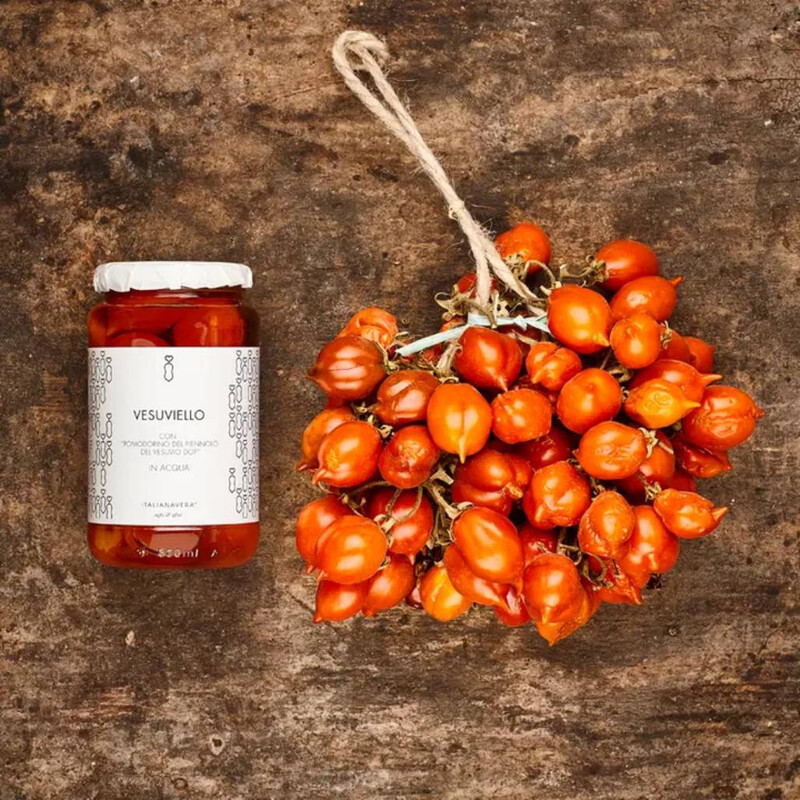
One of Italy's most treasured varieties grows on the fertile volcanic slopes of Mount Vesuvius, where mineral-rich soils and Mediterranean sunshine produce tomatoes with remarkable sweetness and balanced acidity. Known as Pomodorino del Piennolo del Vesuvio, these small tomatoes have been cultivated for centuries and were traditionally hung in large clusters, allowing families to enjoy their harvest long after summer had ended.
That same tradition continues today through Vesuviello – Piennolo Tomatoes, carefully selected to preserve the vibrant flavor that has made this tomato one of southern Italy's culinary treasures.
The Secret Behind Many Italian Sauces
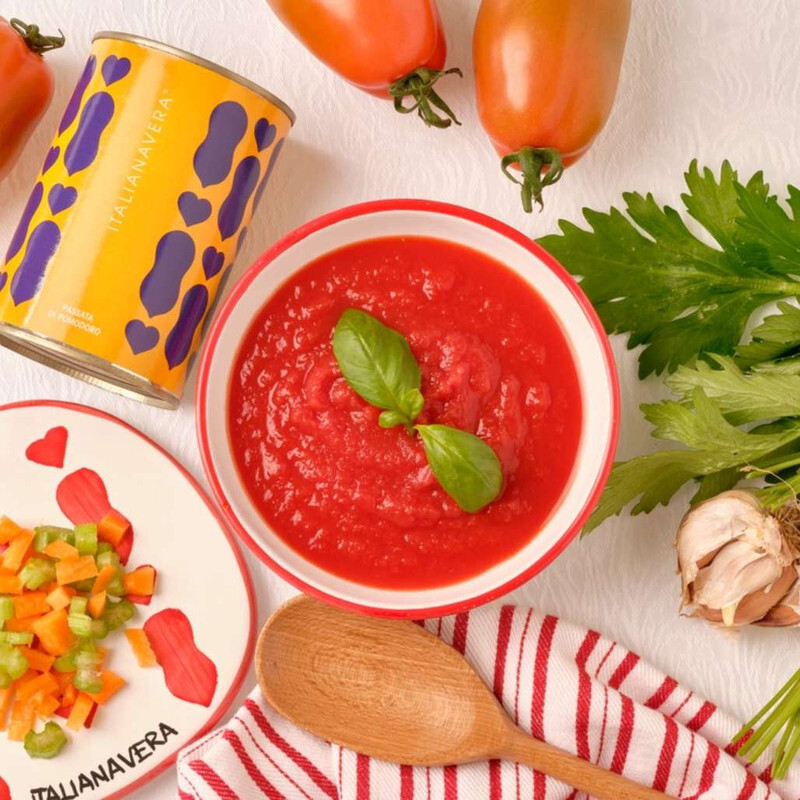
Walk into almost any Italian kitchen and you'll find a can of passata.
Unlike chunky tomato sauces, passata is simply ripe tomatoes that have been crushed and strained to create a smooth, velvety purée. It forms the foundation of countless family recipes because it allows the tomato—not the seasoning—to remain the star.
Passata di Pomodoro Tomato Purée follows this same tradition, offering the pure taste of ripe Italian tomatoes as generations of home cooks have enjoyed them.
For those seeking an authentic ready-made sauce, Marinara Tomato Sauce with Wild Oregano captures another Italian principle: when tomatoes are exceptional, only a few carefully chosen ingredients are needed. Wild oregano enhances the tomatoes without overpowering them.
The same philosophy appears in Al Basilico Tomato Sauce, where fragrant basil simply complements the sweetness of the tomatoes, proving that the finest Italian sauces are often the simplest.
Every Region Tells a Different Tomato Story
Travel across Italy and you'll discover that every region has its own relationship with tomatoes.
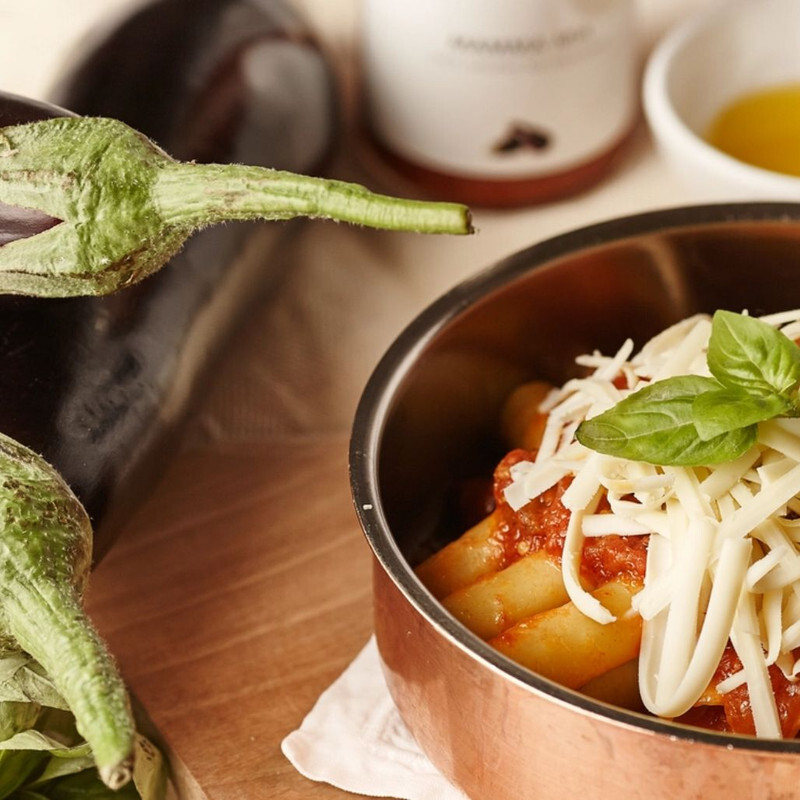
In the south, eggplant frequently joins tomatoes in rustic family recipes that celebrate seasonal vegetables rather than elaborate techniques.
Mamma Mia Eggplant Tomato Sauce reflects this southern tradition, combining ripe tomatoes with tender eggplant in a comforting sauce inspired by generations of home cooking.
Before Refrigerators, There Was the Mediterranean Sun
Long before refrigeration existed, Mediterranean families developed ingenious ways to preserve tomatoes while concentrating their flavor.
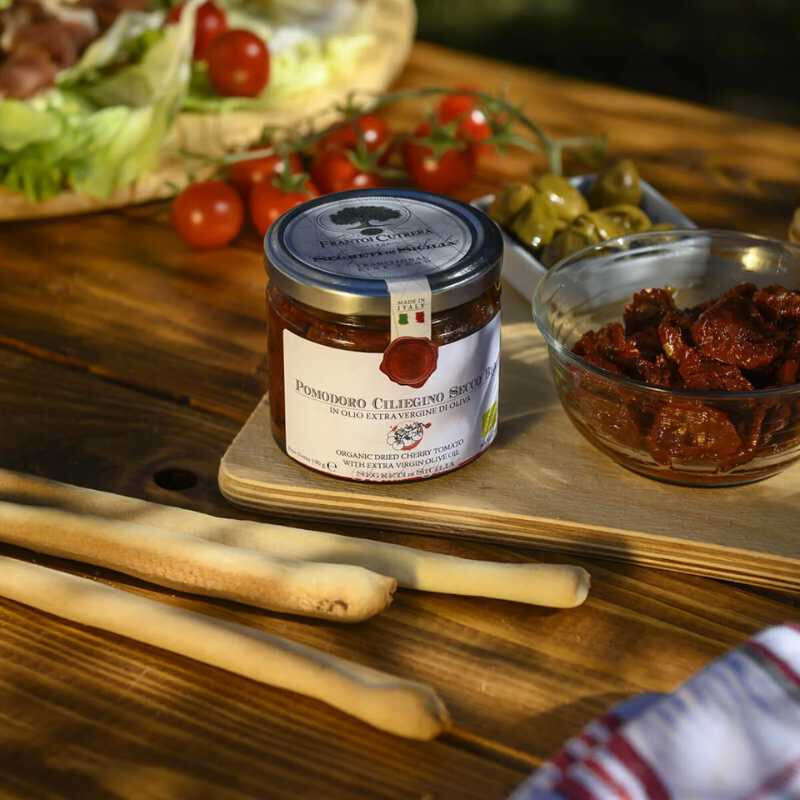
Rather than cooling them, they dried them slowly beneath the summer sun before preserving them in extra virgin olive oil. The result was an ingredient with remarkable sweetness and depth that could enrich pasta, salads, sandwiches, or simply warm bread.
These Dried Cherry Tomatoes in EVOO continue this Sicilian tradition, offering an intensely flavorful reminder that preserving food once meant enhancing it—not merely extending its shelf life.
But Should Tomatoes Ever Be Refrigerated?
Yes, and this is where the story becomes more interesting.
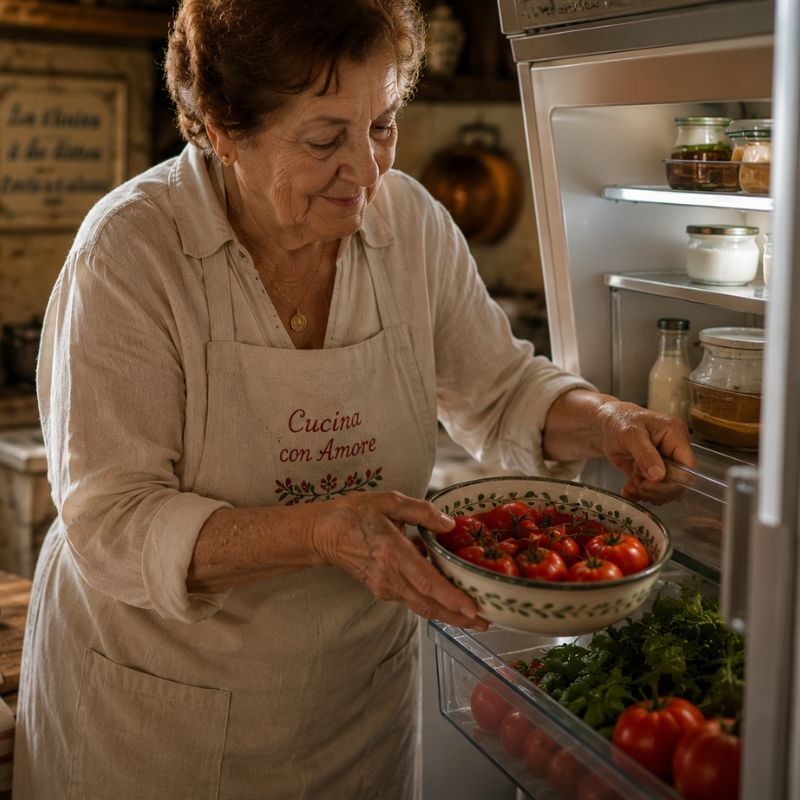
If your tomatoes are fully ripe and you know you won't eat them for several days, refrigeration can help prevent spoilage and reduce food waste.
The important detail is what happens next. Whenever possible, remove refrigerated tomatoes about thirty minutes before serving. Allowing them to return to room temperature helps recover some of their natural aroma and improves both texture and flavor.
So the Italian approach isn't about following rigid rules. It's about knowing when refrigeration helps and when it compromises taste.
A Thought to Take to the Table
Great cooking isn't always about learning new techniques. Often, it's about seeing familiar ingredients differently. The next time you bring home beautiful ripe tomatoes, let them rest on the counter, taste them at room temperature, and discover how a simple change in habit can reveal an entirely different flavor.
Frequently Asked Questions (FAQ)
-
Should ripe tomatoes be refrigerated?
If they're still ripening, no. Once fully ripe, refrigeration can help preserve them for a short time, but bring them back to room temperature before serving.
- Does refrigeration really affect tomato flavor?
AYes. Cold temperatures reduce many of the aromatic compounds responsible for a tomato's characteristic taste.
- Why do Italians often leave tomatoes on the counter?
Because preserving flavor is often considered more important than extending shelf life, especially for tomatoes that will be eaten fresh.
- What is passata?
Passata is a smooth tomato purée made by crushing and straining ripe tomatoes. It serves as the foundation for countless traditional Italian sauces.
- What makes Piennolo tomatoes special?
Grown on the volcanic slopes of Mount Vesuvius, they are naturally sweet, balanced, and have been prized in southern Italy for centuries.