

There are condiments you keep on hand—and then there are the ones you reach for when a dish deserves a final, deliberate touch. Giuseppe Giusti belongs firmly in that second category. Crafted in Modena, Italy, Giusti has produced Balsamic Vinegar of Modena since 1605, offering a balance of sweetness, acidity, and aroma that can transform everything from winter salads to roasted meats, strawberries, cocktails, and Parmigiano-Reggiano.
Quick Introduction: What Makes Giusti Different
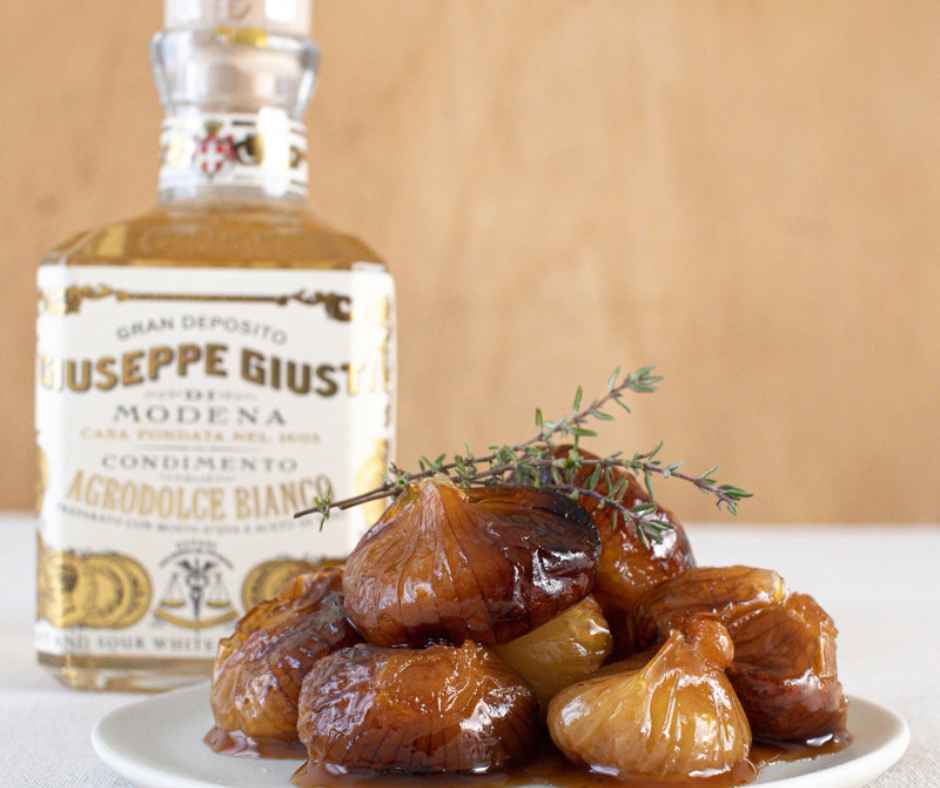
Giusti is one of the most established names in balsamic vinegar, rooted in Modena—where barrel aging and patient craft are part of everyday culinary culture. Choosing a Giusti bottle means choosing a condiment with a clear sense of place and a style meant to be used with intention: sometimes whisked into a vinaigrette, other times added in drops right before serving.
A Little History: Giusti Since 1605

Giusti traces its origins to 1605, when Giuseppe Giusti began crafting balsamic vinegar in Modena, and the house remains closely associated with the region’s long-standing balsamic culture. That kind of continuity is rare—and it’s a big reason the brand is respected by cooks who care about provenance.
Why Modena Matters
Modena, in Emilia-Romagna, is the historic home of balsamic vinegar. Here, balsamic isn’t treated like a trend—it’s treated like a tradition. Aging rooms, wooden barrels, and long timelines are part of what gives balsamic its depth and texture.
What Giusti balsamic vinegar actually is
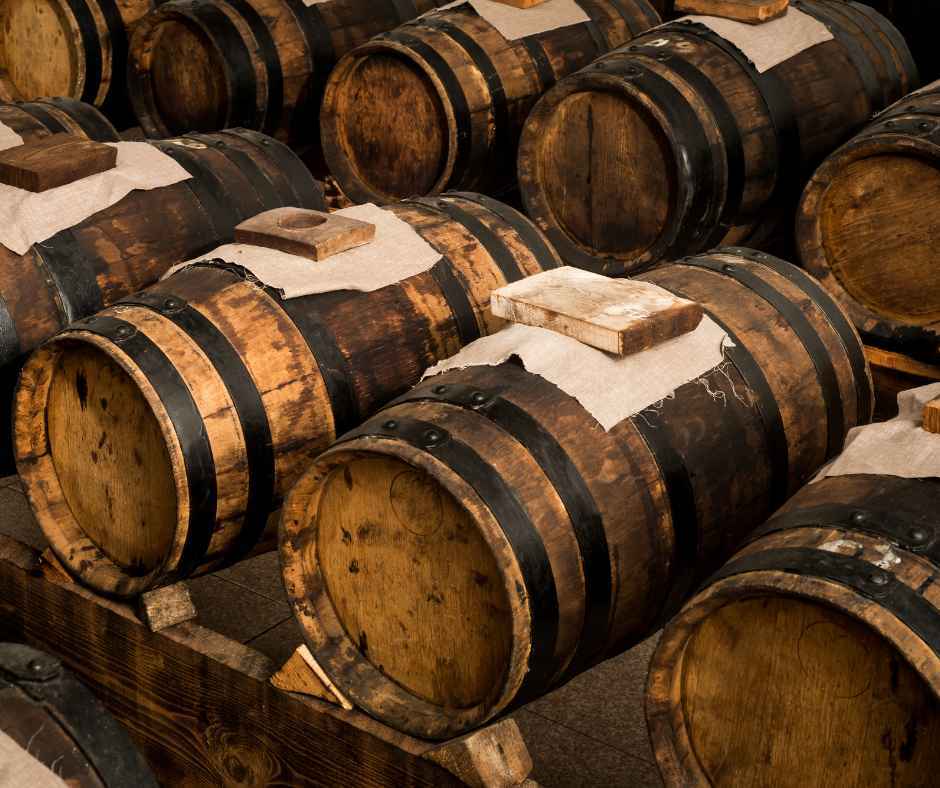
Giusti produces Balsamic Vinegar of Modena and aged expressions built for complexity. At the heart of it: cooked grape must, wine vinegar, and time. Depending on the bottle, the profile can lean bright and versatile—or darker, denser, and more concentrated for finishing.
What you’ll notice most is a rounded sweet-and-sour balance and an aroma that lingers (in the best way).
How it’s made (and how to choose the right bottle)
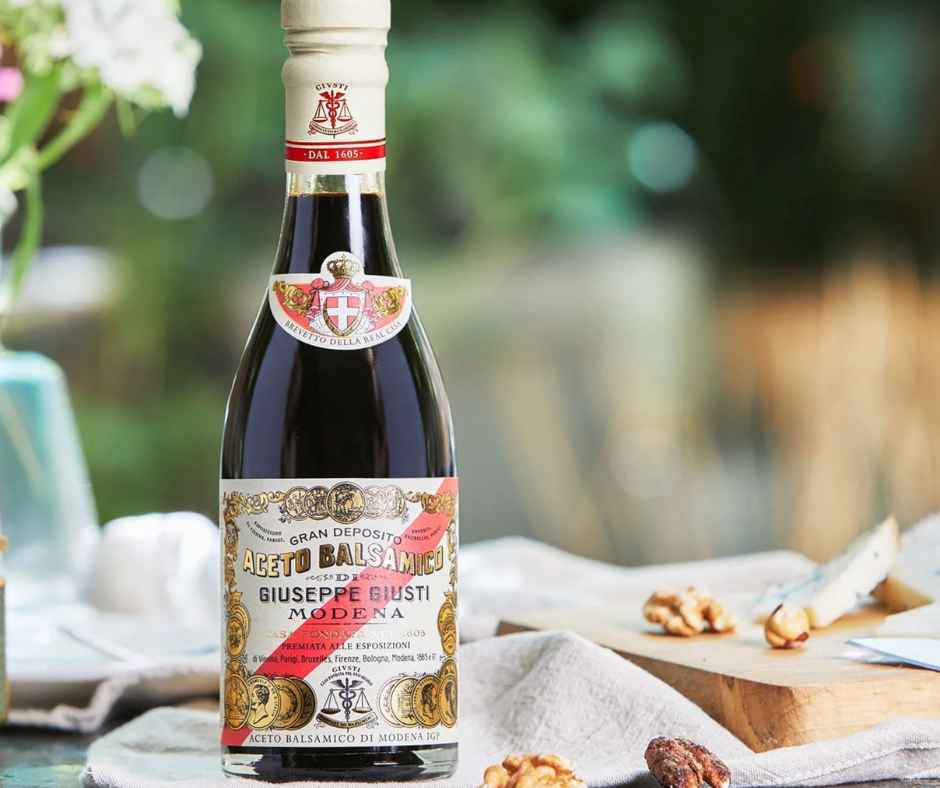
Giusti balsamic starts with cooked grape must and wine vinegar, then develops character through aging in wood and careful blending. Time and wood influence everything: texture, sweetness, and aromatic depth.
You’ll also see Giusti’s well-known “Gold Medals” system. The simplest way to think about it:
-
Fewer medals = lighter, more versatile, easy to use every day
-
More medals = richer, more concentrated, best used as a finishing touch
How to use Giusti balsamic vinegar (without overthinking it)

For everyday coooking:
Reach for a versatile style when you want balsamic to be part of the dish:
- Salad dressings and vinaigrettes
- Marinades for chicken, pork, or mushrooms
- Roasted vegetables (Brussels sprouts, carrots, squash)
- Pan sauces (deglaze, reduce lightly, finish)
For finishing and serving
Use the more concentrated expressions when you want balsamic to sit “on top” of the dish:
- A few drops over steak, lamb, or duck
- Parmigiano-Reggiano, aged pecorino, or a cheese board
- Strawberries, vanilla ice cream, or panna cotta
- Risotto, polenta, roasted root vegetables
In cocktails (yes—Giusti works beautifully)
A good balsamic can act like a bartender’s secret ingredient: it adds acidity, a touch of sweetness, and a deep, aromatic note that plays especially well with citrus, berries, and aged spirits. The key is restraint—start with a few drops, then adjust.
Easy ways to use it:
- Balsamic shrub (quick version): Stir balsamic with a little sugar or honey, add water (or sparkling water), then spike with gin or vodka.
- Strawberry + balsamic spritz: Muddle strawberries, add a few drops of balsamic, top with prosecco or sparkling water.
- Balsamic “old fashioned” twist: A barspoon of balsamic in an old fashioned-style build adds a darker, rounded finish (especially with bourbon).
- Balsamic margarita variation: A few drops in a classic margarita can deepen the citrus and add a subtle, savory edge.
- Mocktail option: Sparkling water, citrus juice, a touch of honey, and a few drops of balsamic over ice—clean, bright, and surprisingly complex.
The Giusti Bottles and Sets We Carry at Le Gourmet Central
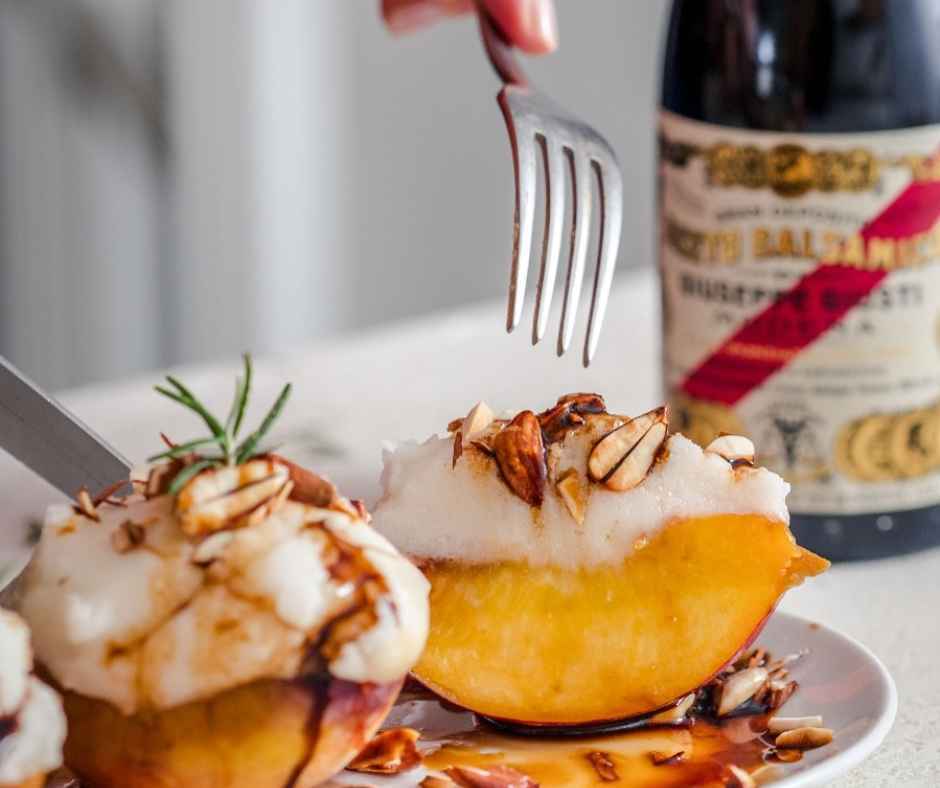
- 1 Silver Medal (Aged 6 Years): Bright, light, everyday use
- 2 Gold Medals “Il Classico”(Aged 8 Years): Balanced, versatile, smooth finish
- 3 Gold Medals (Aged 12 Years): Deeper, rounder, more aromatic
- 4 Gold Medals (Aged 15 Years): Dense, silky, finishing-style drizzle
- 5 Gold Medals anda Rossa” (Aged 20 Years): Most concentrated, best for finishing
Giusti gift sets (the easiest way to explore)
If you’re building a tasting ritual at home—or gifting someone with serious culinary taste—these sets make it simple to compare styles:
- Giusti Balsamic Vinegar Gift Set: Giusti essentials for easy tasting
- Italian Balsamic Vinegar Wooden Gift Box (The Scrigno Collection): Premium Scrigno wooden presentation set
- Scrigno Italian Balsamic Vinegar Wood Gift Box - 250ml: Elegant Scrigno box, aged balsamic
- Historical Collection “Cofanetto” Wood Box - 100ml: Collector’s box of historic Giusti
- Italian Balsamic Vinegar Trio Gift Set (Flavored Collection): Three flavored balsamics for pairing
Frequently Asked Questions (FAQ)
- Is Giusti the same as traditional balsamic (DOP)?
Giusti is not the same as Traditional Balsamic (DOP). Giusti is best known for Balsamic Vinegar of Modena (IGP) and aged expressions, while DOP “Traditional Balsamic” is a separate, strictly regulated category with different production rules and labeling.
- Which bottle should I buy first?
Start with 2 Gold Medals for versatility. Add 5 Gold Medals when you want a deeper, finishing-style balsamic.
- Can I cook with the higher-medal bottles?
Yes—but they shine most at the end, where aroma and texture stay intact.
- How should I store it?
Store tightly closed in a cool, dark pantry. No refrigeration needed.