
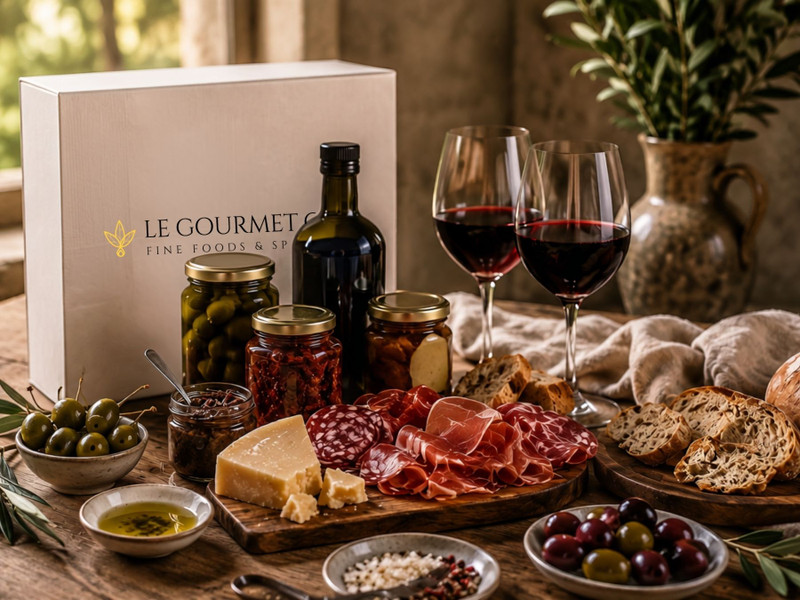
French entertaining traditions have long fascinated food lovers around the world. While French hospitality is often associated with elegance and sophistication, what makes it truly memorable is not extravagance—it is the thoughtful selection of exceptional foods shared with family and friends.
From artisanal condiments and rustic specialties to iconic delicacies and beloved desserts, French gourmet foods often reflect centuries of culinary tradition. Whether welcoming guests for an apéritif, celebrating a special occasion, or gathering around the table for a leisurely meal, the French rely on a handful of timeless specialties that never fail to impress.
These are some of the traditional French foods that continue to define French hospitality today.
1. Rougié Périgord Duck Rillettes: A French Country Classic
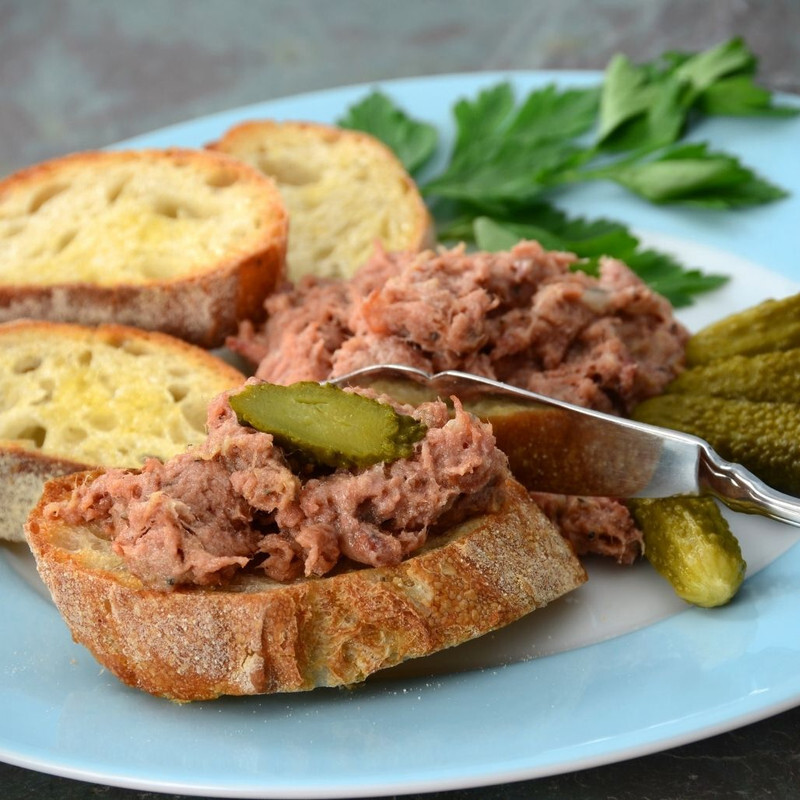
Among traditional French foods, duck rillettes remain one of the most beloved.
Originating from southwestern France, duck rillettes are made by slowly cooking duck until tender, then shredding and preserving it in its own fat. Rich, savory, and deeply comforting, they are part of the French apéritif or an informal gathering.
How do the French serve it?
Traditionally spread on slices of fresh baguette or country bread and enjoyed as part of an apéritif before the main meal.
2. Edmond Fallot Green Tarragon Mustard: The Condiment Found on Countless French Tables
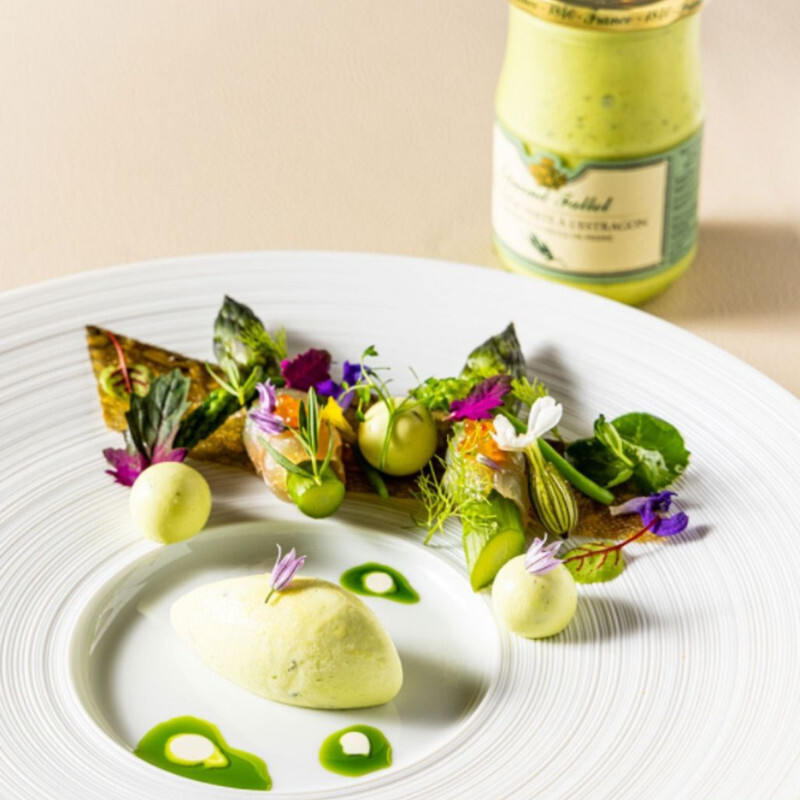
Many people think of mustard as a simple condiment. In France, it is often treated with far greater respect.
Edmond Fallot has been producing mustard in Burgundy since 1840 and remains one of the country's most respected mustard makers. Its Green Tarragon Mustard combines the sharp character of traditional mustard with the delicate aroma of tarragon, creating a flavor that could elevate any dish.
How do the French serve it?
Tarragon has a highly volatile flavor that beautifully elevates haute cuisine. Beyond refined plates, it is also used for roasted meats, infused in vinaigrettes, layered into sandwiches, or paired with charcuterie and cheeses.
3. L'Epicurien Shallot Confit
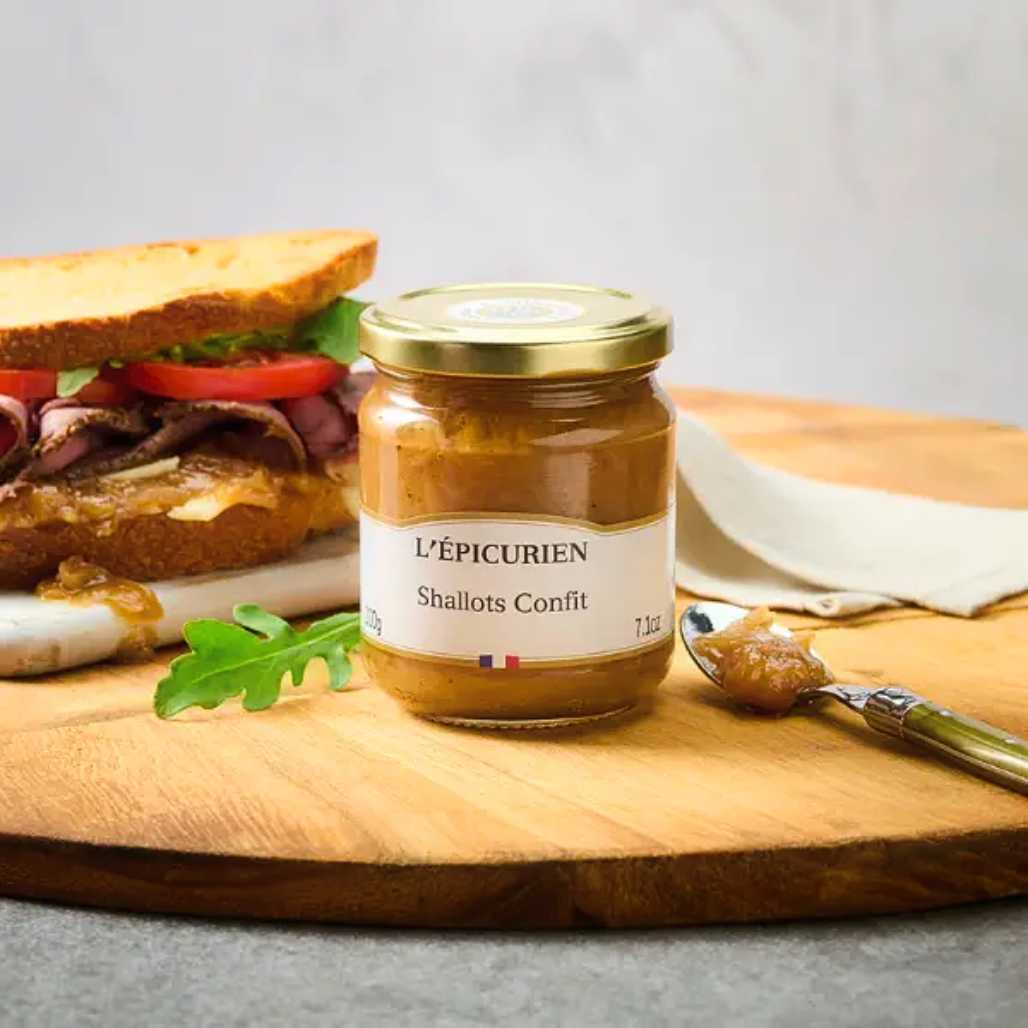
French entertaining is often about small details that make a big difference.
L'Epicurien Shallot Confit delivers gentle sweetness and remarkable depth of flavor, making it an ideal companion to foie gras, charcuterie, cheeses, and roasted meats, where its gentle sweetness provides balance and depth. While many visitors to France have never encountered it, products like this are part of what makes French tables feel so distinctive.
4. Château Estoublon Grossane Extra Virgin Olive Oil: A taste of Provence
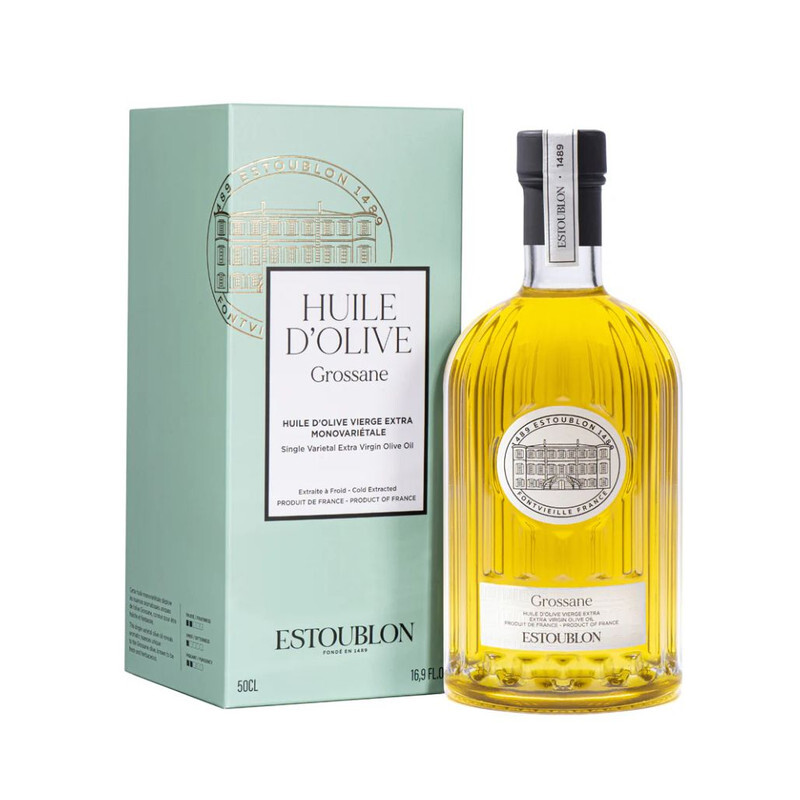
Southern France is famous for its olive groves, and few products capture the flavors of Provence more beautifully than exceptional olive oil.
Château Estoublon's Grossane Extra Virgin Olive Oil is prized for its balance, freshness, and elegant character. It showcases the Mediterranean influences that shape much of French cuisine.
How do the French serve it?
Drizzled over salads, vegetables, seafood, and fresh bread, allowing the quality and flavor of the olive oil to shine.
5. Maxim's de Paris: A French Icon
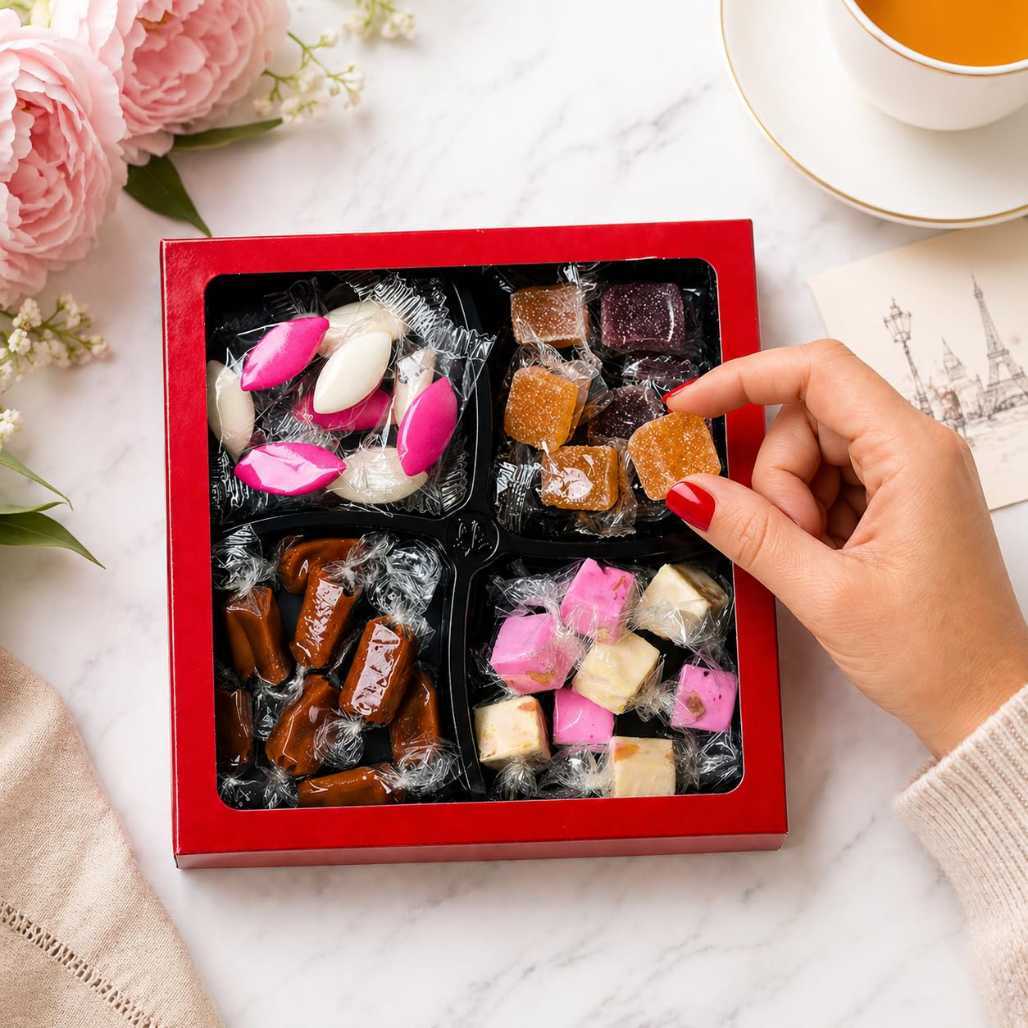
Few brands are as closely associated with French elegance as Maxim's de Paris.
For generations, Maxim's has represented Parisian gastronomy, refinement, and celebration. Its collections of French specialties have become synonymous with gifting, entertaining, and sharing moments around the table.
Why do the French recognize it instantly?
Because Maxim's has become one of the most enduring symbols of French gourmet culture.
How is it enjoyed?
Often shared during celebrations, offered as a gift, or brought to the table as a symbol of classic French gastronomy and hospitality.
6. Foie Gras Table Service: When the French Really Want to Impress
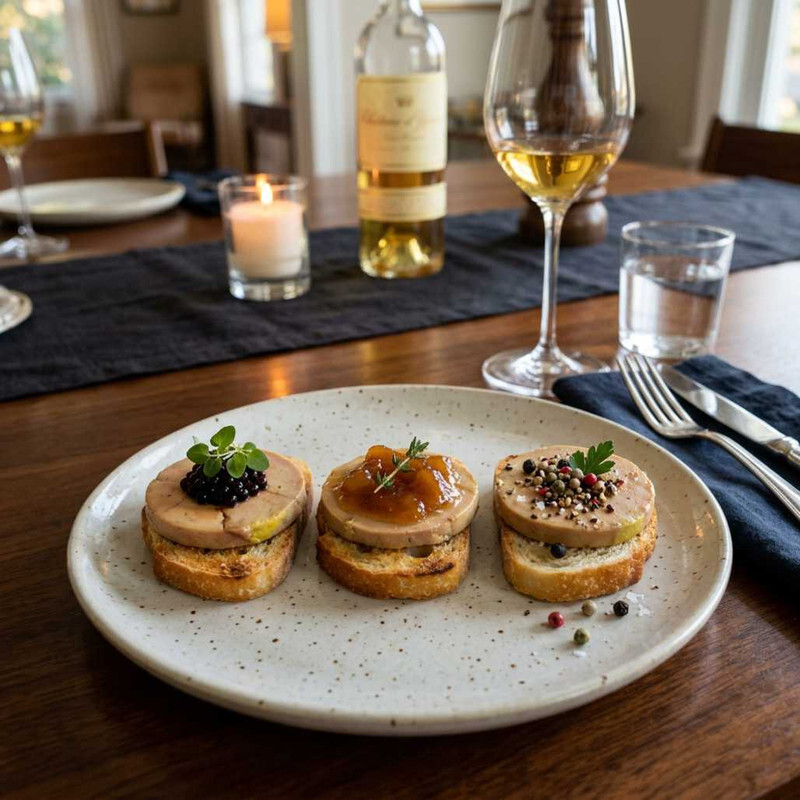
While foie gras is not an everyday indulgence, it remains one of France's most celebrated delicacies.
When hosts wish to create a truly memorable experience, foie gras often appears on the table. Our Foie Gras Table Service combines Rougié Foie Gras with Truffle, L'Epicurien Pear & White Wine Confit, and Balsamic Vinegar Pearls from Modena, creating a tasting experience that balances richness, sweetness, acidity, and texture.
Why do the French reserve it for special occasions?
Because few foods communicate celebration, generosity, and French culinary artistry more effectively than foie gras.
How do the French serve it?
Traditionally in small portions alongside toasted bread, fruit confit, and carefully selected accompaniments that complement its richness without overpowering it.
7. Fossier Pink Biscuits for Champagne: The Sweet Tradition of Reims
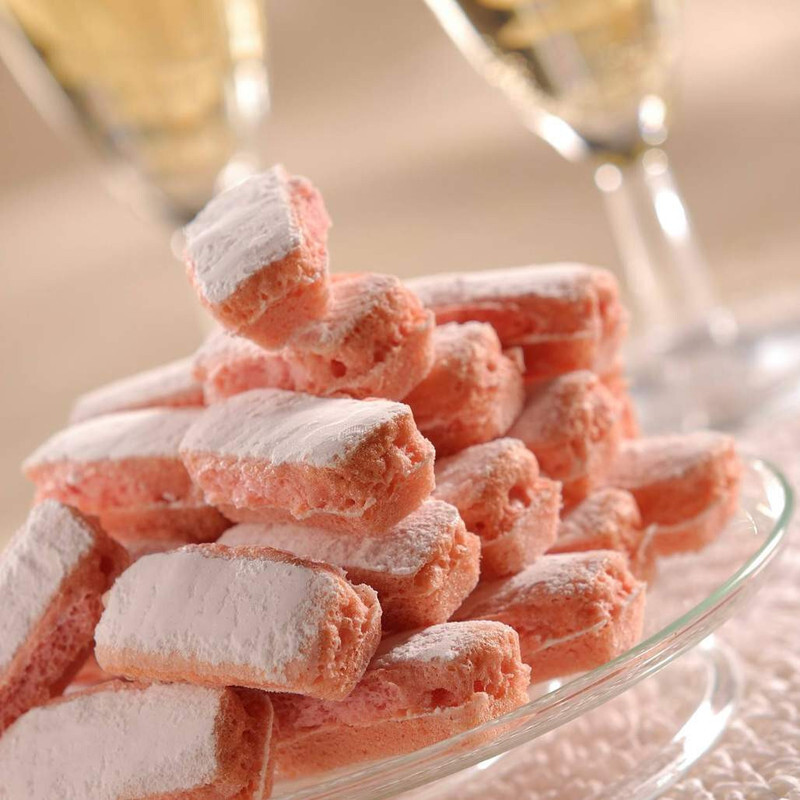
Among the most charming foods associated with the Champagne region of France are the famous pink biscuits of Reims.
Produced by Fossier since the seventeenth century, these distinctive biscuits are instantly recognizable by their delicate pink color and crisp texture. Traditionally enjoyed alongside Champagne, they remain one of France's most enduring culinary traditions. Today, they continue to appear at celebrations, gatherings, and festive occasions throughout France.
Why do the French still serve them?
Because some traditions endure for centuries simply because they are too delightful to abandon.
How do the French serve them?
Traditionally alongside Champagne and sparkling wines, particularly during celebrations, holidays, and festive gatherings in the Champagne region. Secretly dipping these biscuits in the champagne is our absolute favorite way to eat them.
How French Entertaining Traditions Continue to Inspire
What makes French entertaining traditions so admired is not necessarily luxury. More often, it is the careful selection of a few exceptional foods, each chosen for its quality, heritage, and ability to bring people together.
From rustic duck rillettes and artisanal mustard to foie gras and pink biscuits from Reims, these French specialties demonstrate that memorable hospitality is often built on thoughtful details rather than excess.
And perhaps that is the enduring lesson of French food culture: impressive does not have to be complicated.
Frequently Asked Questions (FAQ)
-
What are traditional French foods served to guests?
Traditional French foods served to guests often include charcuterie, duck rillettes, cheeses, foie gras, artisanal condiments, and regional specialties, depending on the occasion.
- What are Fossier Pink Biscuits?
Fossier Pink Biscuits are traditional French biscuits from Reims known for their distinctive pink color, crisp texture, and long association with Champagne.
- What is typically served at a French apéritif?
A French apéritif often includes small bites such as charcuterie, spreads, olives, cheeses, and savory accompaniments enjoyed before the main meal.
Many European gourmet products are produced using traditional methods, regional ingredients, and recipes passed down through generations. This often results in superior flavor, texture, and authenticity.
- What are some popular French gourmet foods?
Foie gras, duck rillettes, artisanal mustard, confits, cheeses, chocolates, and regional specialties are among the most popular French gourmet foods.
- What foods are associated with the Champagne region of France?
The Champagne region is famous not only for Champagne itself but also for the iconic pink biscuits of Reims, traditionally enjoyed alongside sparkling wine.
- Why is foie gras considered a French delicacy?
Foie gras is celebrated for its rich texture, refined flavor, and centuries-long role in French gastronomy, particularly during holidays and special occasions.
- What is duck rillette?
Duck rillette is a traditional French preparation made by slowly cooking duck until tender, shredding it, and preserving it in its own fat before serving it on bread or toast.
- Why is Edmond Fallot mustard so popular?
Edmond Fallot is known for preserving traditional mustard-making techniques and producing distinctive flavors that have become staples of French cuisine.